Molecular markers and hazelnut genomics
Content generated by artificial intelligence — verify before application
This article was automatically compiled from a collection of hazelnut literature with the aid of artificial intelligence and may contain errors or outdated data. It serves as a starting point for further research, not as professional advice. Dosages, products, and timing are informative and depend on the cultivar, location, and applicable regulations — always verify with advisory services and official sources before application.
Molecular markers and genomics have fundamentally changed the way hazelnut (Corylus avellana L.) has been studied, identified, and bred over the past two decades. While cultivars were once distinguished solely by the appearance of leaves, nuts, and husks — a slow, subjective process susceptible to environmental influence — the identity of a cultivar can now be confirmed directly from DNA, independent of the season, tree age, or whether the sample is a fresh nut or a processed product. For the Croatian producer, this is not abstract science: the reliability of planting material, the protection of autochthonous cultivars, supply chain traceability, and, increasingly, the speed at which breeders create new resistant cultivars depend on it. This article explains the main types of markers (SSR and SNP), the status of hazelnut genome sequencing, applications in cultivar identification, and marker-assisted selection (MAS).
Why molecular markers, and not just morphology
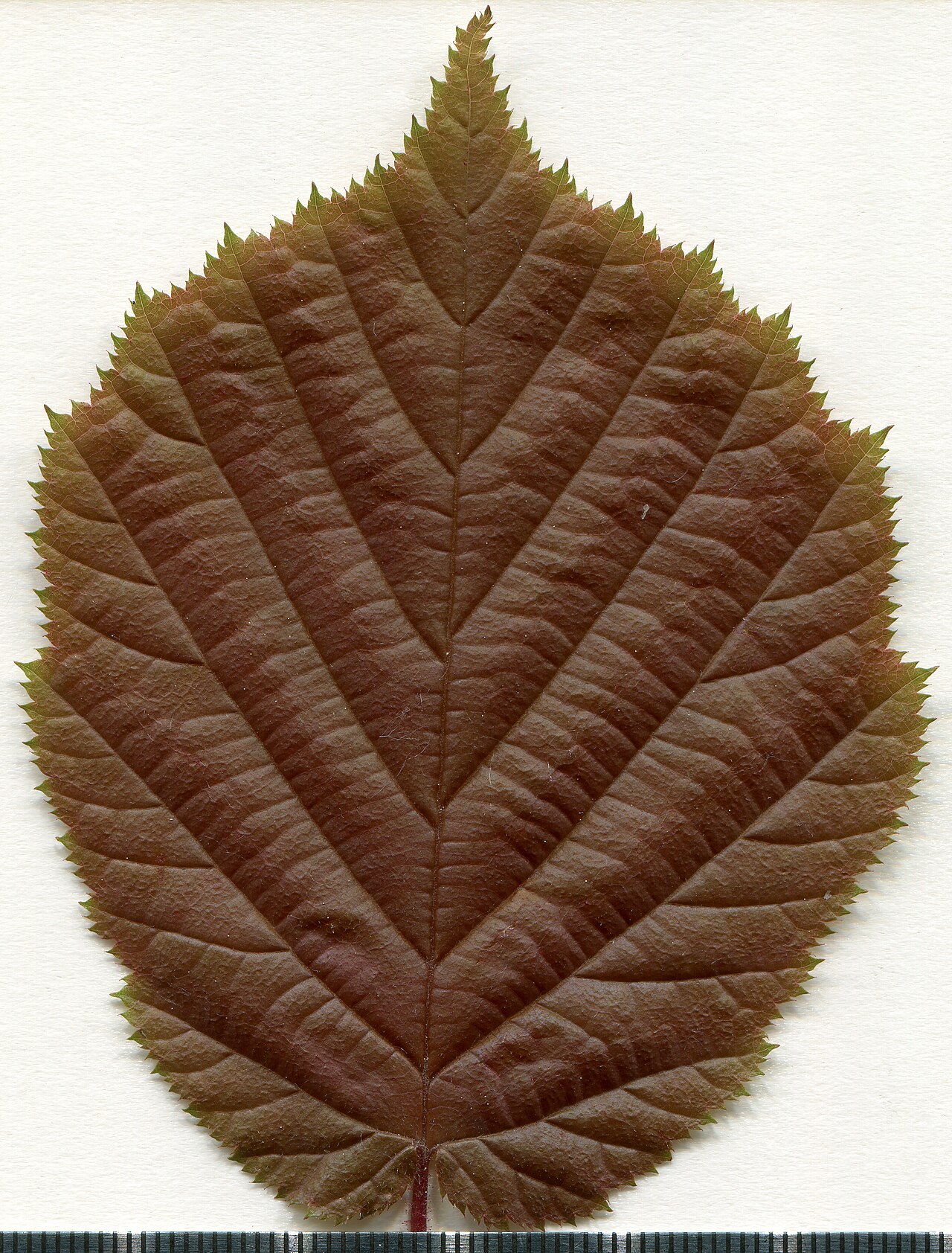
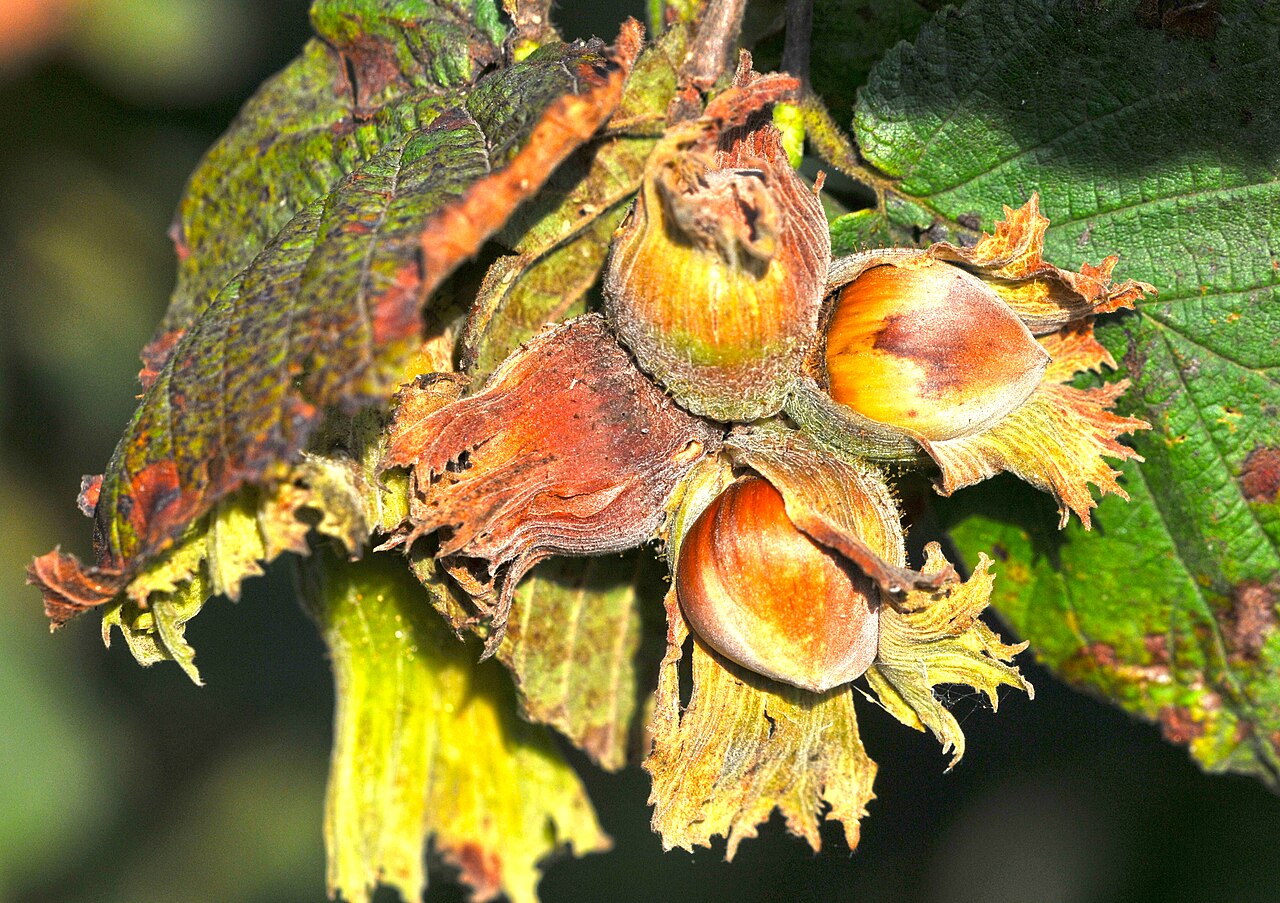
Classical pomological classification of hazelnut relies on morphological traits — the shape and structure of the husk (e.g., distinguishing Lambert and Cels cultivars), nut size and shape, and ripening time. This classification is useful but has serious limitations: many cultivars overlap visually, synonyms (the same cultivar under multiple names) and homonyms (different cultivars under the same name) are common, and appearance depends on soil, climate, and orchard age. The origin of many cultivars is not reliably known, so classification by origin was abandoned in favor of morphological classification.
Molecular markers solve this problem by reading differences directly in the DNA, which are stable throughout the plant's life and independent of the environment. The main types of markers used in hazelnut during the development of technology have been:
| Marker | Principle | Main Characteristics | Status in hazelnut |
|---|---|---|---|
| RAPD | Random DNA amplification (PCR with short random primers) | Cheap, fast, but poorly reproducible and sensitive to reaction conditions | Historically key for the first maps and first EFB resistance |
| AFLP | Restriction + selective amplification | High informativeness, technically demanding | Used for new sources of resistance |
| SSR (microsatellites) | Short tandem repeats, multiallelic | Highly polymorphic, reproducible, transferable between laboratories, codominant | Standard for cultivar identification and maps |
| SNP | Single base change, mostly biallelic | Extremely numerous, evenly distributed across the genome, suitable for automation | Marker of choice for modern genomic studies |
SSR markers (microsatellites)
SSR markers (English: simple sequence repeats, microsatellites) are short tandem repeats distributed throughout the genome. In hazelnut, they have been the marker of choice for years due to simple PCR amplification, high levels of polymorphism, good reproducibility, transferability among related species, and ease of data exchange between laboratories. Due to codominance (both alleles are visible) and the large number of alleles per locus, they are excellent for distinguishing cultivars and determining relatedness.
Literature figures illustrate their strength: in the assembled hazelnut genome, approximately 90,142 microsatellite sites were identified, corresponding to roughly one SSR every ~1240 nucleotides. In practical studies of genetic diversity, typically about 20 pairs of SSR primers are used (e.g., 21 pairs on 270 accessions of European hazelnut of wide geographical origin). For application in breeding, targeted sets were also developed — for example, through in silico screening of 17 contigs of the 'Jefferson' genome, 45 new polymorphic SSR markers were developed with an average of 10.18 alleles per locus and an average polymorphic information content (PIC) of 0.68.
SNP markers
SNP (English: single nucleotide polymorphism) is a change in a single base in the DNA. A single SNP carries less information than one SSR because it is most often biallelic (only two variants), but this weakness is more than compensated for by its abundance: SNPs are extremely frequent, evenly distributed across the genome, and largely originate from within genes themselves. Thanks to next-generation sequencing (NGS), they can be discovered in large quantities without prior knowledge of polymorphism and while avoiding highly repetitive parts of the genome.
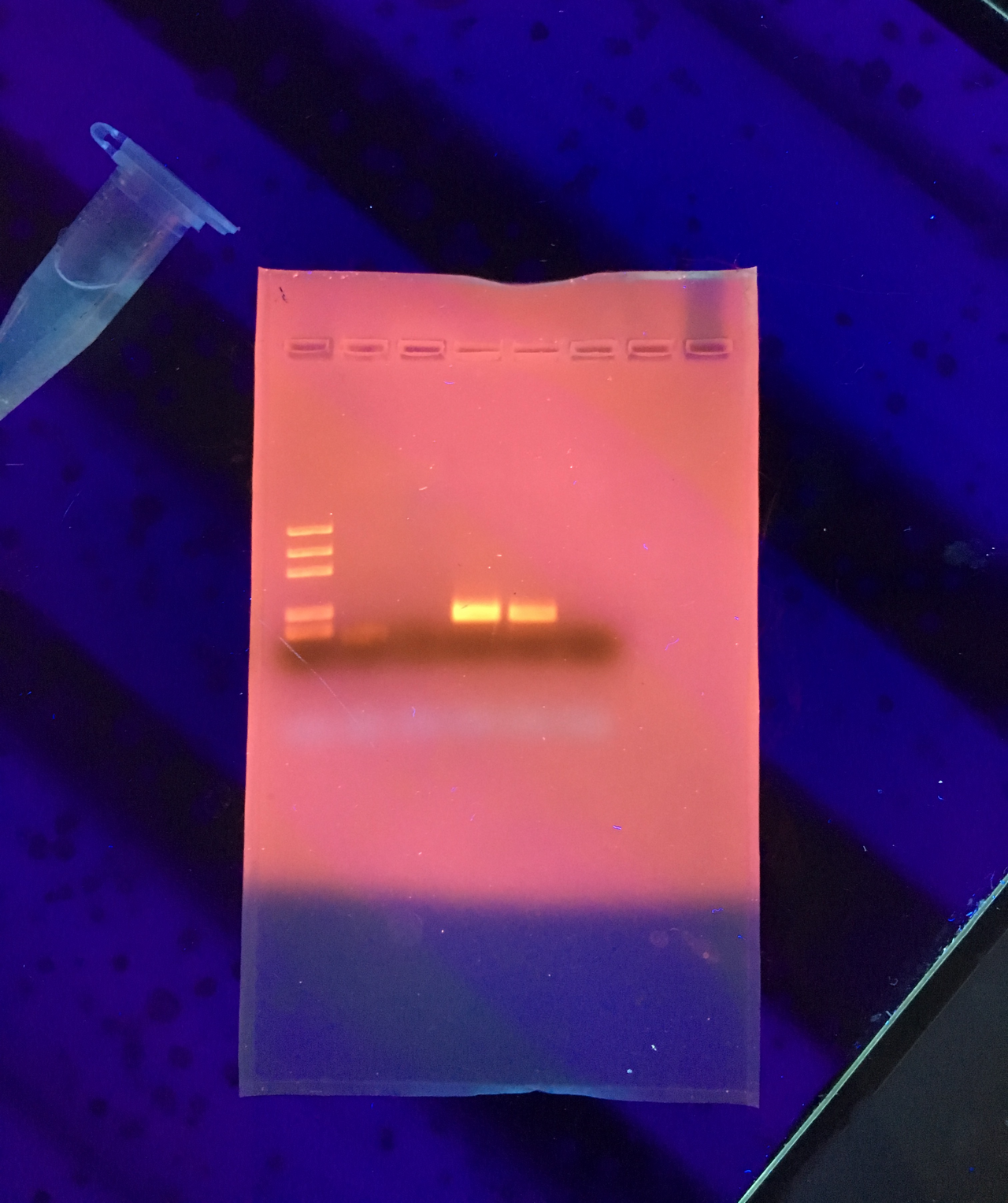
For producers and laboratories, the key practical advantages are: SNP genotyping is fast, inexpensive per marker, and suitable for high-throughput automation. Simple and economical detection methods, such as tetra-primer ARMS-PCR (one PCR followed by gel electrophoresis), allow reading without expensive equipment. For this reason, SNP is considered the marker of the future for hazelnut, particularly for high-resolution genetic maps, association studies, and diversity analysis.
Sequencing and assembly of the hazelnut genome
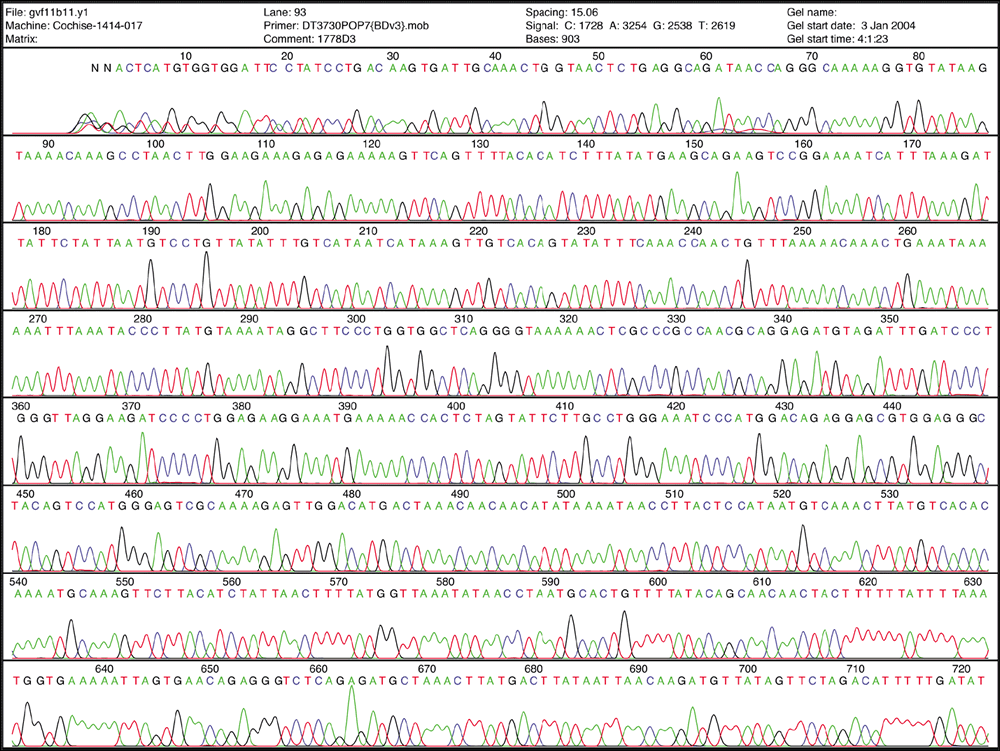
The real turning point was brought by whole-genome sequencing. Hazelnut is a diploid species with 11 pairs of chromosomes (2n = 22), and in recent years, several genome assemblies of different cultivars have been published, giving breeders a reference against which they can place markers and search for genes of interest.
| Cultivar / Accession | Significance | Technology / Note |
|---|---|---|
| 'Jefferson' (OSU 703.007) | First sequenced genome in the order Fagales; diploid, resistant to EFB | ~34,910 predicted genes; source of contigs for new SSR markers |
| 'Tombul' | First fully assembled and annotated genome of a hazelnut species; important Turkish cultivar | Reference genome for Turkish selection |
| 'Tonda Gentile delle Langhe' (TGdL) | Valued Italian cultivar with protected designation of origin | Assembly using linked reads (10X Genomics) |
| European hazelnut — chromosomal assembly | Chromosome-level assembly; reveals targets for crop improvement | Enables more precise trait mapping |
Genome assemblies enable several things simultaneously: discovery of a large number of SSR and SNP markers (such as the ~90,000 SSR sites mentioned above), creation of dense genetic maps, identification of candidate genes for important traits, and linking markers to specific locations on chromosomes (linkage groups, LG).
Sequencing-based genotyping methods
When the reference genome is not perfectly assembled or when a large number of samples need to be processed, methods are used that simultaneously discover and read thousands of SNPs:
- Genotyping by sequencing (GBS) — for example, the ApeKI GBS library, which added 4,164 new SNP markers to hazelnut maps, along with the existing ~470 SSR markers.
- RAD-seq / ddRAD-seq — sequencing of DNA associated with restriction sites; very effective for discovering SNPs in populations without a well-assembled reference, also used for mapping EFB resistance.
- GRAS-Di — a newer access method used for SNP characterization and fingerprinting of the Turkish core collection of cultivars.
Cultivar identification and traceability (DNA fingerprint)
One of the most direct benefits of markers for producers is the unambiguous identification of the cultivar — a molecular "fingerprint." This is applied at several levels:
- Verification of planting material in the nursery. Since hazelnut is most often propagated vegetatively (by suckers, cuttings, grafting, or less commonly by budding on Corylus colurna rootstock), labeling errors can be multiplied throughout the entire orchard. DNA verification confirms that seedlings match the declared cultivar before planting.
- Protection of autochthonous and protected cultivars. Markers enable the differentiation and documentation of cultivars such as Istrian types (e.g., 'Istarski duguljasti', originating from Corylus maxima), which is important for germplasm conservation and for geographical indication labels.
- Traceability in the supply chain. SSR analysis has been shown to identify the cultivar in raw kernel and in the testa (skin), even after mild roasting (up to ≤ 130 °C).
Limitation for processed and mixed products
Identification is reliable for pure, single-cultivar samples. For products based on kernels and for mixtures, a problem arises: the signal from the pollinizer (pollen cultivar) mixes with the maternal one, making it difficult to separate paternal and maternal alleles. The problem is exacerbated in commercial lots that are mixtures of several cultivars (a common case with Turkish cultivars). For cultivars sold in purity under origin labels (e.g., 'Tonda Gentile' products), this problem practically does not exist.
Marker-Assisted Selection (MAS)
MAS (marker-assisted selection) is a breeding strategy that exploits the linkage (linkage disequilibrium) between an agronomic trait and a molecular marker allele. A marker tightly linked to the gene of interest serves as a "flag": by screening the DNA of a seedling, the breeder knows whether it carries the desired allele—before the trait is even visible on the plant. Identifying markers linked to the target gene is the crucial first step; bulked segregant analysis (BSA) is often used to quickly find such markers in populations such as backcrosses (BC), F2, recombinant inbred lines (RIL), or doubled haploids (DH).
MAS and Eastern Filbert Blight (EFB) Resistance
The most important application of MAS in hazelnut is resistance to Eastern Filbert Blight (EFB), a devastating fungal disease (Anisogramma anomala). The reasons why MAS is so useful here are:
- the pathogen has a two-year life cycle, making natural disease assessment sporadic and unreliable;
- MAS allows for selection for resistance even in the absence of the pathogen, by selecting seedlings in the field based on the marker.
At Oregon State University, MAS for 'Gasaway'-type resistance has been conducted for more than 12 years. RAPD markers 152-800 and 268-580 flank the 'Gasaway' resistance locus; they are robust, easy to score, and used across multiple populations; seedlings carrying one or both markers are planted in the field. From a broader screening (1,110 decamer primers), seven sufficiently robust markers for MAS were identified, among which AA12(850) shows no recombination with resistance, while marker 268-580 shows approximately 5.8% recombination—therefore, selection based on markers flanking the locus on both sides is recommended.
| Resistance Source | Linkage Group (LG) | Note |
|---|---|---|
| 'Gasaway' | LG6 | Longest-used source; basis of initial MAS markers |
| 'Ratoli' | LG7 | Simple inheritance; linked markers identified |
| Georgian selection OSU 759.010 | LG2 | Additional source for pyramiding |
| Corylus americana 'Rush', 'Yoder #5' | LG7 | Interspecific resistance sources |
Gene Pyramiding and Durability of Resistance
A key lesson: relying on a single resistance gene is risky—some fungal isolates have already overcome 'Gasaway'-type resistance. Therefore, new sources (selections from Russia, southern Russia, Crimea, Michigan, South Korea, and interspecific hybrids) are sought, which map to different linkage groups (LG2, LG6, LG7). MAS enables pyramiding—the combination of multiple resistance genes in a single cultivar—making resistance more durable. This requires additional SSR (and SNP) markers on the relevant linkage groups.
MAS for Yield and Other Traits
Markers are increasingly applied beyond disease resistance. Association mapping on 86 accessions of hazelnut with 5,567 SNP markers identified 189 quantitative trait nucleotides (QTN), 23 QTLs, and 159 candidate genes associated with yield traits. This opens the path for MAS for vigor, fruit quality, flowering time, and other economically important traits.
Practical Recommendations and Common Mistakes
- Request declared identity of planting material. When purchasing seedlings of valuable or protected cultivars, consider DNA verification (SSR fingerprinting) of a representative sample—an error in cultivar multiplies throughout the entire vegetatively propagated orchard.
- Do not underestimate pollinizers in traceability. If you plan to prove the cultivar identity of nuts, keep in mind that pollen from the pollinizer cultivar "clouds" the result; the clearest identification is obtained from single-cultivar, pure lots.
- Choose disease resistance as a combination of sources, not as a single gene. When selecting new EFB-resistant cultivars, prioritize those that combine resistance from multiple linkage groups (pyramided resistance) for greater durability.
- MAS is a breeder's tool, not a substitute for field trials. A marker predicts the genotype, but the final value of a cultivar under your conditions (climate, soil, market) is still confirmed by multi-year orchard trials. In continental Croatia, pay special attention to site selection for cultivars of Mediterranean/Italian origin.
- Track which marker applies to which population. Some markers (e.g., monomorphic in one population) are not universal; marker reliability depends on the population and resistance source.
Sources
This article is an AI-generated summary compiled from an internal literature collection on hazelnut (RAG corpus) and public sources. Figures (number of markers, recombination percentages, number of genes and QTLs, roasting temperature) are informative and taken from the cited literature; verify them in the original papers before scientific or commercial application. Main sources used:
- Baytar et al. (2024). Association mapping and candidate gene identification for yield traits in European hazelnut (Corylus avellana L.) — https://pmc.ncbi.nlm.nih.gov/articles/PMC11336203/
- Giulia et al. (2022). Identification of the hazelnut cultivar in raw kernels and in semi-processed and processed products — https://doi.org/10.1007/s00217-022-04058-z
- Bi-allelic SNP markers for hazelnut genotyping (PLOS ONE, 2018) — https://doi.org/10.1371/journal.pone.0195408
- New Simple Sequence Repeat Markers on Linkage Group 6 (Jefferson genome) (2021) — https://pubmed.ncbi.nlm.nih.gov/34194458/
- Mehlenbacher et al. (2004). RAPD markers linked to eastern filbert blight resistance in Corylus avellana — https://doi.org/10.1007/s00122-003-1476-9
- DNA marker-assisted selection for EFB resistance ('Gasaway') — https://research.fs.usda.gov/treesearch/download/44895.pdf
- A chromosome-scale genome assembly of European Hazel (Corylus avellana L.) — https://www.biorxiv.org/content/10.1101/817577v1.full
- Whole-genome assembly of 'Tonda Gentile delle Langhe' using linked-reads (10X Genomics) — https://pmc.ncbi.nlm.nih.gov/articles/PMC8495946/
- GRAS-Di SNP-based characterization of a Turkish Corylus avellana core set — https://link.springer.com/article/10.1007/s00438-022-01990-3
- Genotyping-by-sequencing in Corylus avellana germplasm resistant to EFB — https://link.springer.com/article/10.1007/s11295-024-01679-1
- Vujević, P. Cultivar selection and training systems for hazelnut (Agroklub) — https://cdn.agroklub.com/upload/documents/sorte-i-uzgojni-oblici-lijeske.pdf