Removing Root Shoots (Suckers)
Content generated by artificial intelligence — verify before application
This article was automatically compiled from a collection of hazelnut literature using artificial intelligence and may contain errors or outdated information. It serves as a starting point for further research, not as professional advice. Dosages, products, and timing are informative and depend on the cultivar, location, and applicable regulations — always consult with an advisory service and official sources before application.
Root suckers (shoots, "suckers") are one of the most persistent and labor-intensive characteristics of hazelnut cultivation. Hazelnut (Corylus avellana L.) naturally grows as a shrub and continuously produces new shoots from dormant buds on the roots and from the base of the trunk. If not controlled, these shoots consume water and nutrients, crowd the interior of the shrub, reduce aeration and light penetration, hinder mechanical harvesting and mowing, and ultimately reduce fruit yield and quality. Therefore, regular removal of suckers is a fundamental agronomic measure in the formation and maintenance of orchards — both in bush (vase) and standard tree systems. This article explains why suckers are removed, what mechanical, chemical (as well as physical and alternative) methods exist, how and when to apply them, and how often during the season.
Why Remove Root Shoots
Root suckers grow from the roots or the base of the main trunk and directly compete with the fruiting part of the plant. The main reasons for their consistent removal are:
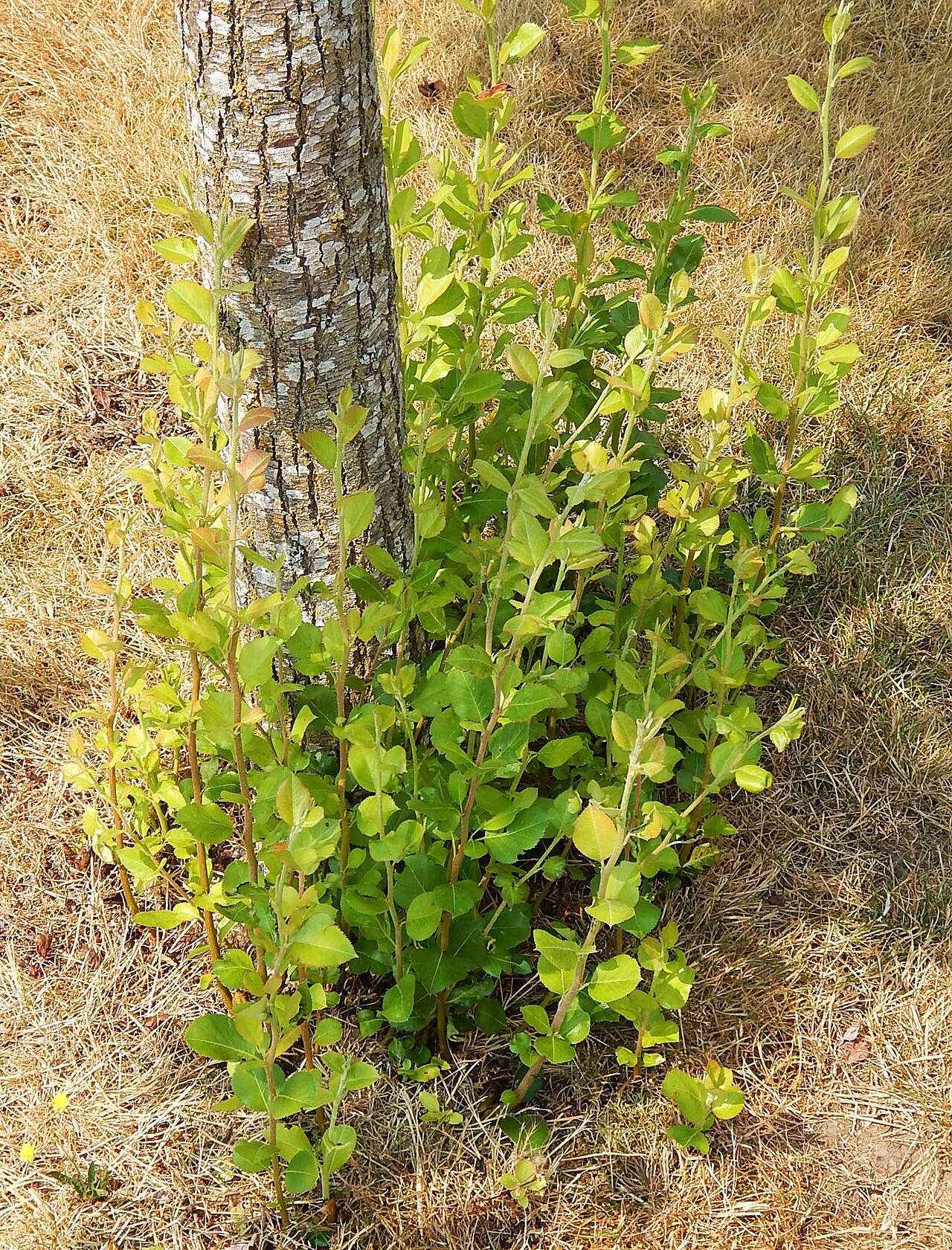
- Competition for water and nutrients. Shoots "burden" the tree, consuming assimilates, water, and nutrients that would otherwise go to the growth of fruiting branches and fruit development. The result is reduced yield.
- Reduced aeration and light penetration. A dense mass of shoots at the base of the shrub reduces air circulation and light penetration into the inner canopy, creating conditions favorable for disease development.
- Difficult orchard maintenance. Shoots interfere with mowing, mulching, mechanical harvesting (collecting nuts from the ground), and other operations.
- Cost and time. If suckers are missed and become woody, their removal during the dormant period can consume more than 30% of the time required for pruning a single shrub/tree. Manual control can account for up to one-fifth of annual orchard management costs.
It is worth distinguishing so-called "water sprouts" (strong vertical shoots from adventitious buds along main branches) — these should also be removed as they shade the canopy and unnecessarily consume resources, but the focus of this article is on root suckers from the base.
When to Remove Shoots — Phenological Stages and Frequency
The frequency of intervention primarily depends on the intensity of sucker production (which varies significantly by cultivar), climate, training system, and chosen method. In Croatia, the intervention is most often carried out in spring and during the vegetative season.
The key difference lies between two phases of the sucker:
- Herbaceous (green) phase — young, non-woody shoots approximately up to 15–20 cm in height. In this phase, chemical and physical interventions are most effective, but early intervention on small shoots often triggers regrowth (retrovegetation), requiring multiple passes.
- Woody phase — older, lignified shoots. For chemical or physical control of woody shoots, withered and dead parts must still be removed manually afterwards.
Approximate frequency by method (informative):
| Method | Typical Frequency per Season | Note |
|---|---|---|
| Manual (shears/hoe) | usually 1× annually | one pass is sufficient, most often in early/mid-summer; simultaneously selects shoots for renewal |
| Mechanical (trimmer/machines) | multiple times (seasonally as needed) | rapid intervention on herbaceous shoots; can be conducted almost year-round |
| Physical (flame/steam) | 2–3× annually | due to retrovegetation in the herbaceous phase |
| Chemical (herbicides) | 2–4× annually | depends on climate and cultivar; e.g., in western Oregon, at least 4 treatments in spring and summer are common |
General recommendation from Croatian guidelines: for bush-trained vase systems, suckers should be destroyed two to three times a year, manually in the first years of formation, and later as needed with herbicides. Foreign sources cite an application window from spring to late summer (approximately April–August) with up to four treatments per year, treating suckers while they are low (before they overgrow).
Mechanical Removal
Mechanical methods include manual labor and machine suppression.
Manual Removal
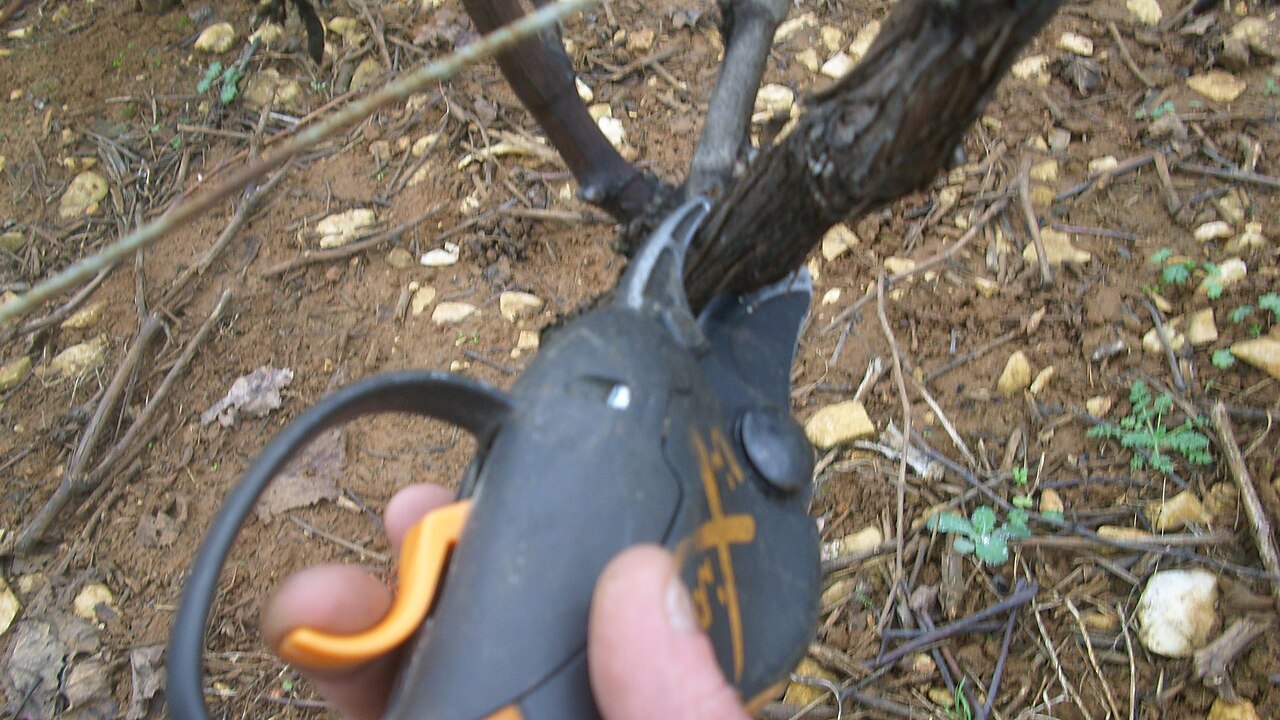
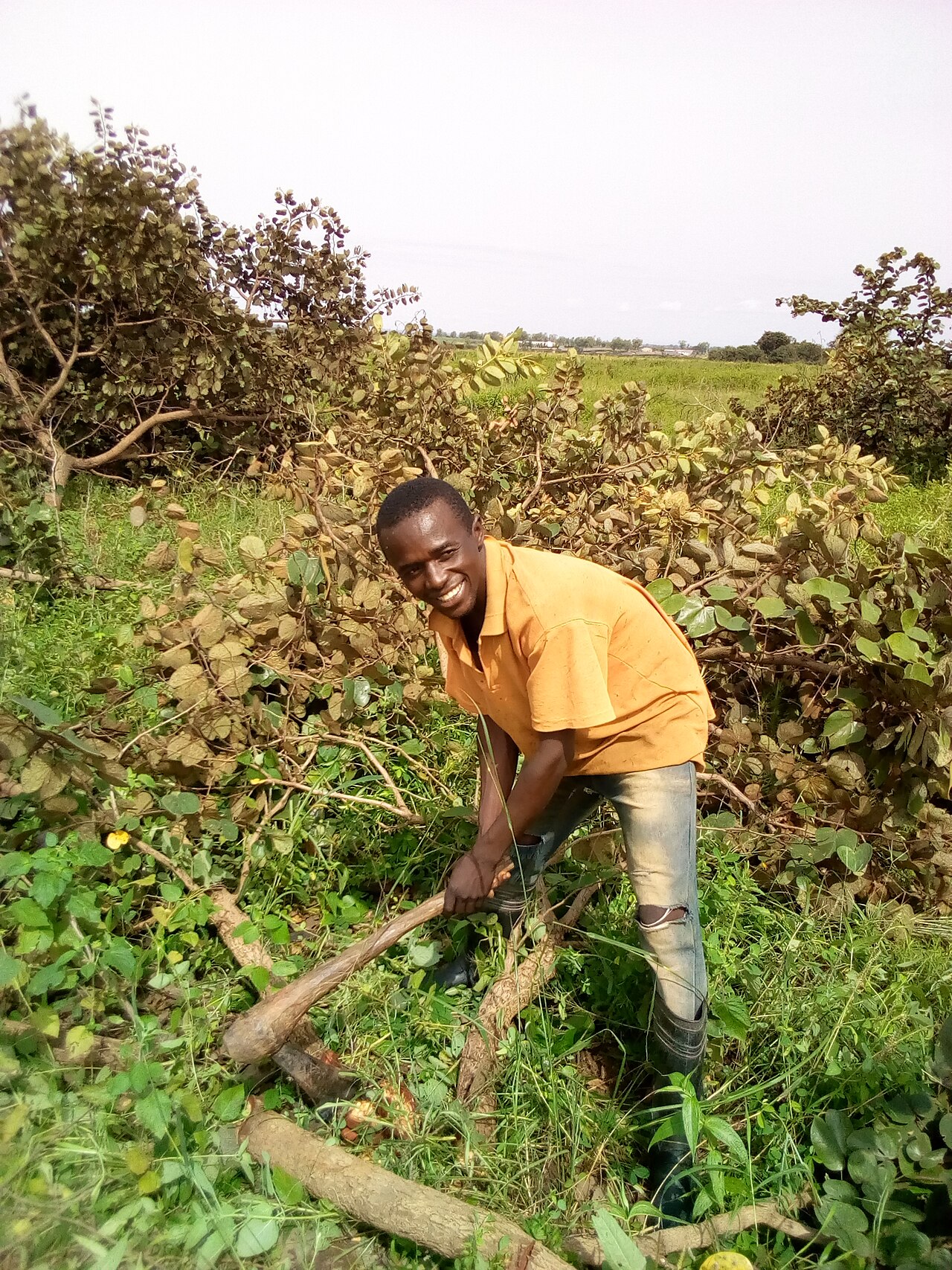
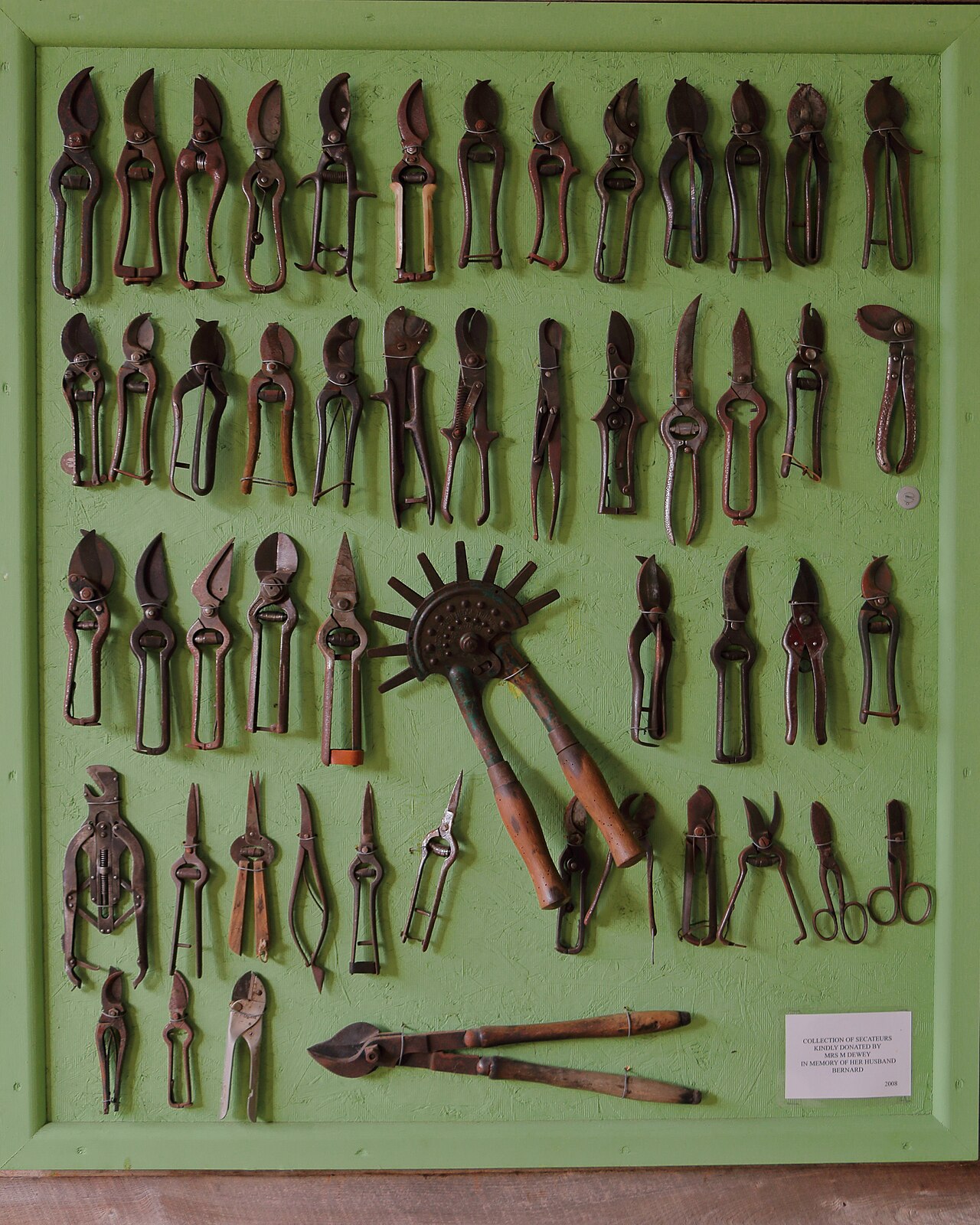
Manual removal is performed with shears, a small axe, or a hoe, cutting the shoots at the base (at the point of emergence). Advantages:
- Selectivity — the worker chooses which suckers to remove and which to potentially leave for renewing fruiting branches or for propagation.
- One pass is sufficient through the orchard annually, most often in early/mid-summer when sucker growth is slowed.
- Very suitable for small farms and organic cultivation.
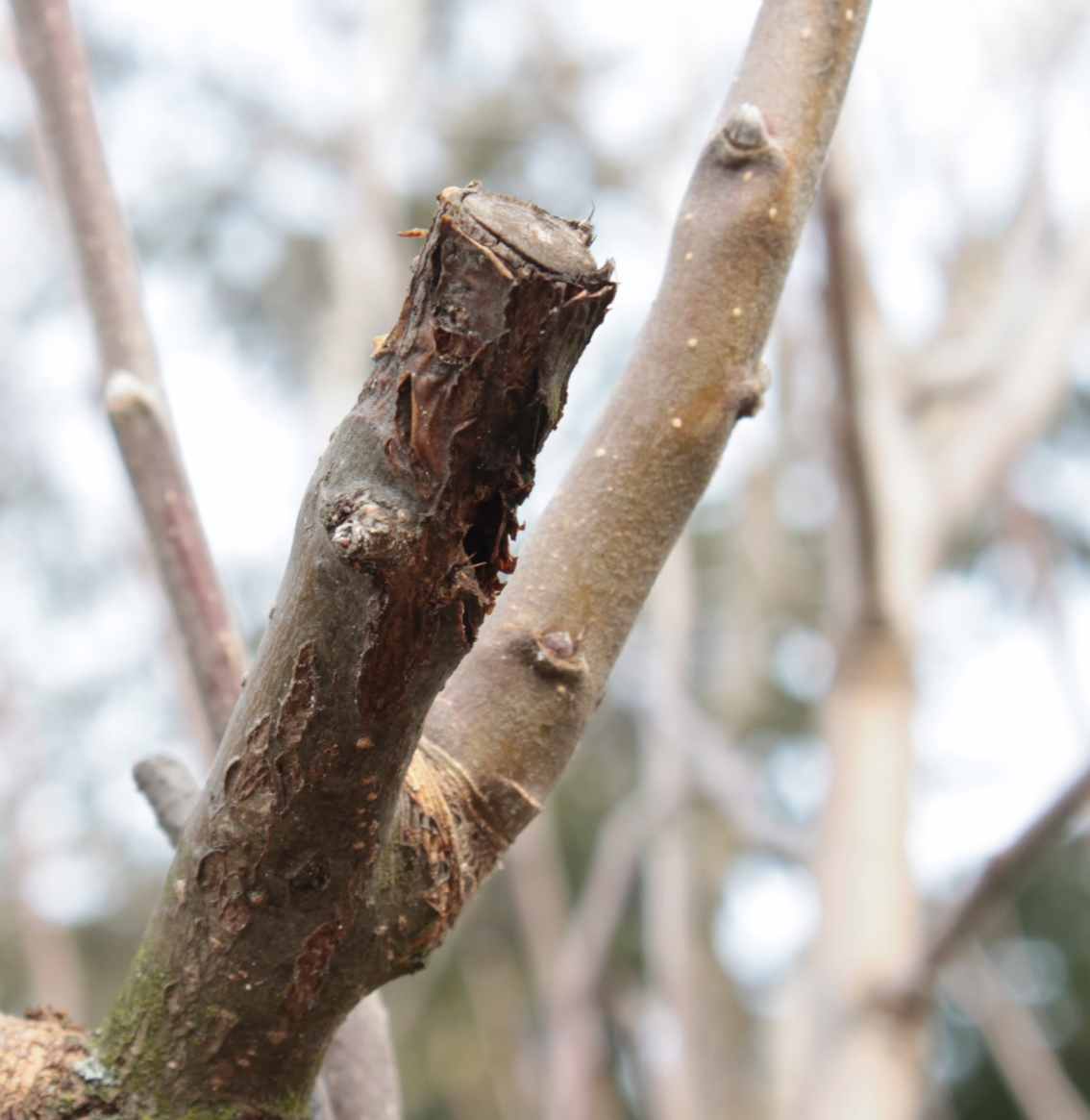
The main disadvantage is the high labor requirement: in multi-trunk bush orchards (approx. 400–500 plants/ha), manual removal can require up to 20 labor hours per hectare and account for up to one-fifth of annual management costs. The work is physically demanding. For proper cutting, sharp tools are essential — only a smooth, precise cut allows for rapid wound healing and reduces the risk of pathogen entry. Tools should be disinfected (e.g., 70% alcohol or 3% sodium hypochlorite) between plants to prevent disease transmission, especially bacterial blight.
Machine (Mechanized) Removal
Machine suppression uses backpack trimmers (brush cutters with cutting heads), tractor attachments, mulchers/mowers with side discharge, and specialized machines with rotating drums for removing suckers. Characteristics:
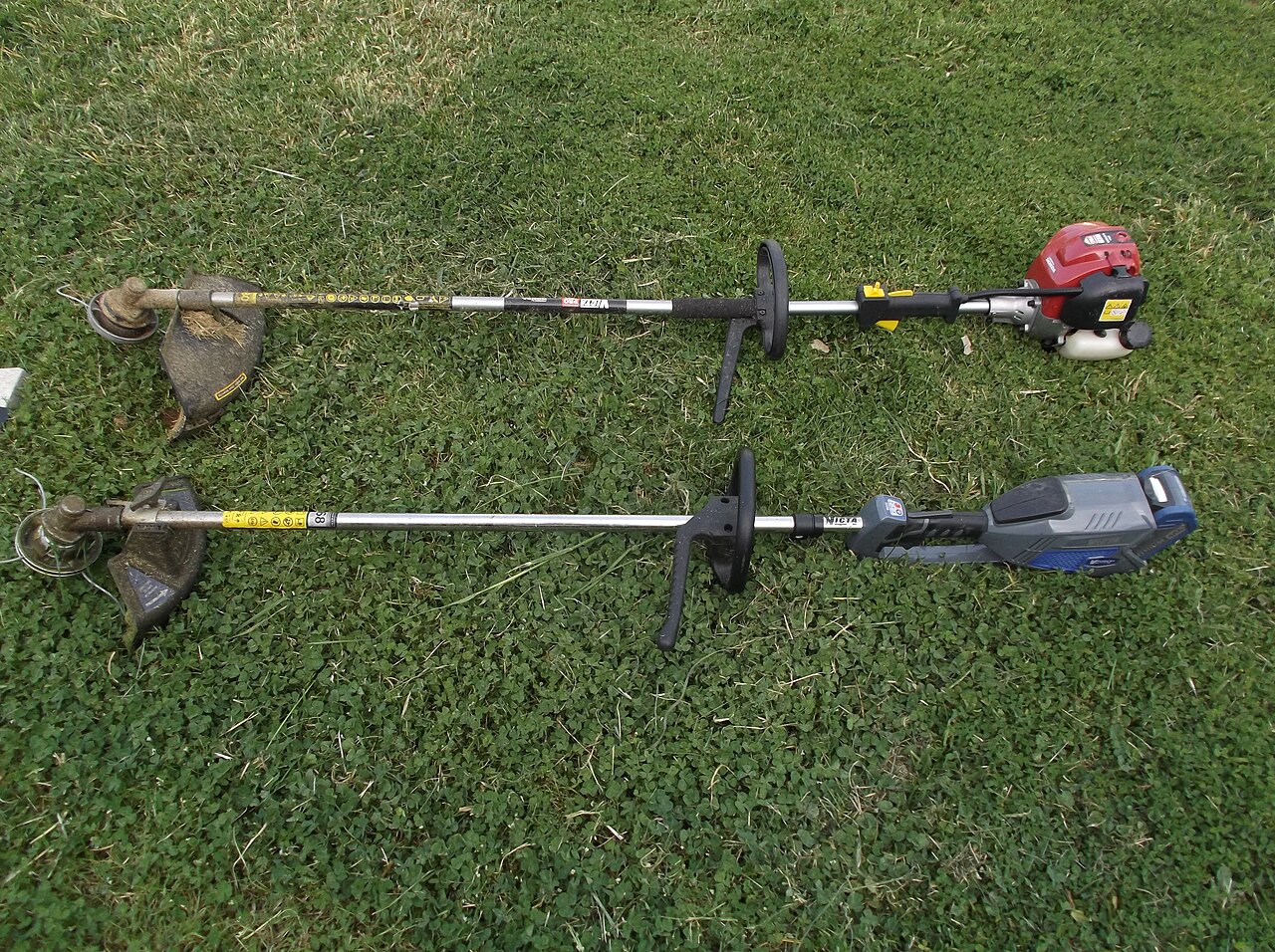
- Rapid intervention method that can be repeated multiple times seasonally, primarily on shoots in the herbaceous phase; can be conducted almost year-round.
- Reduction in labor costs and workforce. Literature notes that using trimmers reduces labor needs by approx. 54.5% and costs by approx. 17.2% (Beyhan, 1996.); a newer synthesis notes labor reduction up to ~55% and cost savings of approx. 20%.
- Not selective — the machine removes all suckers and does not reach suckers in the inner part of the shrub. There is a risk of damage to main branches and trunk, so it is applied with caution; additional accessories for protecting main branches have been developed.
Mechanical control can also be used as a supplement to chemical control when herbicides do not cover all suckers (e.g., those in the interior of the shrub).
Physical (Thermal) Methods
Physical control usually involves two thermal approaches:
- Flaming — shoots are briefly exposed to an open flame, causing tissue burn; they wither and die within a few days.
- Water steam — high steam temperature kills the shoot tissue.
Both methods act by damaging tissue through brief exposure to high temperatures. Flaming has lower equipment and fuel costs compared to steam. Since retrovegetation occurs on herbaceous shoots, thermal methods usually require 2–3 interventions per season, and for woody shoots, dead parts must be removed manually afterwards. Thermal methods are interesting for organic cultivation as they do not introduce chemical agents into the environment (with caution due to fire risk and bark burn on main branches).
Chemical Removal (Herbicides)
The application of herbicides for controlling root suckers is the most widespread technique in conventional production due to application speed and lower cost compared to other methods. Basic rules:
- Treat in the herbaceous phase, while shoots are not woody — orientatively when they reach 15–20 cm in height (some guides suggest application already from ~15 cm, before the base of the shoot lignifies).
- Treat thoroughly and before suckers overgrow; if treated too late or on very small shoots, retrovegetation occurs, requiring a second pass.
- Smaller droplets (smaller droplet diameter) are associated with higher herbicide efficiency in targeted application.
- Avoid drift and contact of the product with leaves and green bark of fruiting branches during treatment due to phytotoxicity.
Active Substances and Preparations (Informative)
Product registration varies by country and changes over time — always check current registration for hazelnut in your country (in Croatia via the Phytosanitary Information System — FIS).
| Active Substance | Example Name | Note |
|---|---|---|
| Pyraflufen-ethyl | Mizuki / Evolution | mentioned in Croatia as an option; application while shoots are ~up to 15 cm, before base lignification, latest by BBCH-76 |
| Carfentrazone-ethyl | Affinity plus | registered in some European countries |
| NAA (naphthaleneacetic acid esters) | various | in recent times; slows shoot growth |
| 2,4-D | Saber | available in some places outside EU (e.g., USA) |
Historically (since the 1960s in Italy and the USA), many active substances (e.g., glufosinate-ammonium, paraquat, dicrotophos, and others) have been tested, but most are no longer used or permitted; many are also herbicides for weed control. The emphasis is on products registered specifically for this purpose and crop.
Alternative: Organic Acids
Domestic research (master's thesis, University of Osijek, 2024) investigated organic and other acids as a sustainable alternative to synthetic herbicides for suppressing hazelnut root suckers. Results (informative, from trials):
| Product | Concentration | Efficiency / Note |
|---|---|---|
| Hydrochloric acid | 10% | gave the best results in the trial |
| Oxalic acid | 10% | very high efficiency |
| Tartaric acid | 10% | very high efficiency |
| Formic acid | 5% | dried all shoots; only 8 new shoots at the end of the trial |
| Sodium hypochlorite (NaOCl) | — | high efficiency; smallest number of new shoots (8) |
In the most effective treatment, all shoots completely dried out within 5 days, new ones appeared only after 23 days, and the intensity of retrovegetation was low (only 11 new shoots to remove). Efficiency depends on plant species, growth stage, and weather conditions at the time of application. Note: these acids in the trial are not necessarily registered plant protection products — application must be aligned with regulations.
Prevention: Rootstock types with low suckering, mulching, and disbudding
The best way to reduce the cost of sucker control is to reduce their sprouting:
- Rootstocks with weak or no suckering. Grafting onto Corylus colurna (Turkish hazelnut) or hybrid clonal rootstocks (e.g., Dundee, Newberg) allows for single-trunk tree training and higher planting densities; the Dundee rootstock shows greater growth and yield with very low sucker production. Cultivar/rootstock selection largely determines the number of suckers — some cultivars exhibit extremely vigorous suckering.
- Mulching. Covering the base (with foil or organic mulch) limits sucker growth (in trials, suckers remained only 5–10 cm tall), but it does not effectively cover the interior of multi-trunk bushes.
- Disbudding. Removing buds/meristematic tissue in the nursery, before planting, can reduce sucker production for years and is suitable for organic production.
- Precision agriculture (in development). Automated recognition systems (RGB-D) for targeted herbicide application reduce the volume of chemicals used.
Practical recommendations and common mistakes
Recommendations:
- Align the method with farm size, production model (conventional/organic), terrain, and training system.
- Combine methods: e.g., mechanical control for bulk suckers combined with manual control for the bush interior and selection.
- Treat early, while suckers are low and herbaceous — all methods are more effective at this stage.
- Use sharp and disinfected tools; make cuts at the base.
- In the first years of bush formation, remove suckers manually; introduce herbicides only in later years and use only registered products.
- Use manual passes for selecting suckers for renewal of fruiting branches if this is part of your rejuvenation strategy.
Common mistakes:
- Delaying treatment until suckers have lignified — this sharply increases costs (up to >30 % of pruning time).
- Treating too late or applying herbicide to suckers that are too small → regrowth and additional passes.
- Mechanical control without protecting main branches → trunk damage and entry points for diseases.
- Using unregistered products or incorrect "second-hand" doses.
- Neglecting cultivar/rootstock selection when establishing the orchard — incorrect choices increase maintenance costs for years.
Gallery
Sources
This article is an AI-generated summary created from an internal hazelnut literature collection (RAG corpus) and public internet sources. Figures, doses, and timing are informative and subject to verification. Main sources used:
- Gusak, I. (2024.). Influence of specific organic acids on the suppression of root suckers in hazelnut (Corylus avellana L.) — master's thesis, Faculty of Agrobiotechnical Sciences Osijek, Josip Juraj Strossmayer University of Osijek. URN: https://urn.nsk.hr/urn:nbn:hr:151:550031
- Ministry of Agriculture — Advisory Service: Recommendation for owners of permanent hazelnut orchards — https://savjetodavna.mps.hr/2025/06/23/preporuka-vlasnicima-trajnih-nasada-lijeske-13/
- GUIDE FOR hazelnut cultivation — Ministry of Agriculture / Advisory Service (savjetodavna.mps.hr)
- Pacchiarelli, A. et al. / Silvestri, C. et al. (2022.). Advances in Sucker Control for Sustainable European Hazelnut (Corylus avellana L.) Cultivation, Plants 11(24):3416 — https://www.mdpi.com/2223-7747/11/24/3416 (PMC: https://pmc.ncbi.nlm.nih.gov/articles/PMC9787295/)
- Hazelnut Growers of Oregon — Spring Sucker Control — https://hazelnut.com/spring-sucker-control/
- OSU Extension — Growing Hazelnuts in the Pacific Northwest: Orchard Floor Management — https://extension.oregonstate.edu/catalog/pub/em-9079
- Chemical control of suckers in hazelnut orchards of western Oregon — Weed Technology — https://bioone.org/journalArticle/Download?urlId=10.1017%2Fwet.2020.78
- Gospodarski list — Cultivation of hazelnut in bush form — https://gospodarski.hr/rubrike/vocarstvo-rubrike/uzgoj-lijeske-u-obliku-grma/
- Huzjak Hobolić, A. (2021.). Technology and economic efficiency of organic hazelnut production at Hobolić Alen Family Farm — VGU repository
- Additional RAG sources: Pruning hazelnut (hazelnut); Protection of hazelnut; Recommendation for owners of permanent hazelnut orchards (MPS, bacterial blight).
Recommended equipment
🔎 bypass pruning shears — Amazon →Affiliate links — we may earn a small commission at no extra cost to you.
Bypass Pruning Shears
Designed for manual pruning of young shoots and thin branches.
| Use Case | Option Type | What to Check Before Purchase |
|---|---|---|
| Precision cutting | Standard bypass design | Blade sharpness and spring tension |
| Ergonomic handling | Adjustable grip size | Handle comfort and leverage ratio |
| Heavy duty tasks | Loppers or saws | Professional tool selection for thick wood |