Weed Resistance and Antiresistance Strategies in Permanent Orchards
Content generated by artificial intelligence — verify before application
This article was automatically compiled from a collection of hazelnut literature with the aid of artificial intelligence and may contain errors or outdated data. It serves as a starting point for further research, not as professional advice. Dosages, products, and timing are informative and depend on the cultivar, location, and current regulations — always consult with advisory services and official sources before application.
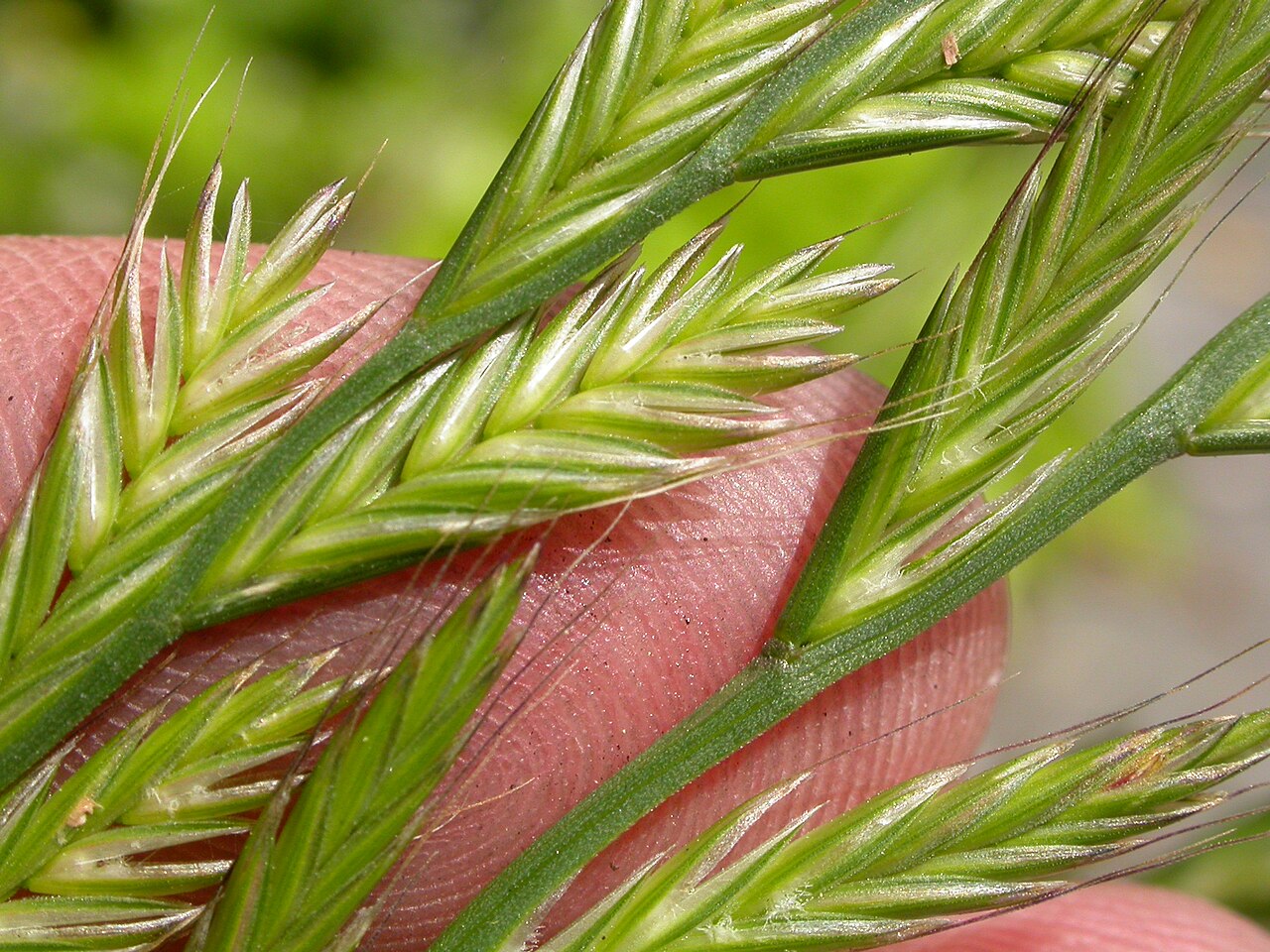
Herbicide resistance (resistance) in weeds is one of the fastest-growing problems in permanent orchards, including hazelnut orchards. Hazelnut is a perennial crop with a relatively narrow selection of registered herbicides, and for decades, maintaining the strip in the row has relied almost exclusively on a single mode of action — glyphosate. It is precisely this monoculture of mechanism that creates ideal conditions for the selection of resistant populations. The goal of this article is to explain why resistance occurs, how to recognize it, what HRAC groups and rotation of modes of action mean, and how herbicide strategies must integrate with mechanical and cover crop measures — following the same logic we already use for pest control in integrated pest management (IPM).
Why Resistance Occurs at All
Resistance is an evolutionary process. In every large weed population, there is already a rare natural mutant that survives herbicide application. When the same mode of action is applied year after year, susceptible plants die, while resistant ones survive, flower, and pass resistance to the next generation via seed or pollen. The frequency of resistant individuals increases until the herbicide practically ceases to work.
Literature from our corpus explicitly confirms this: repeated application of the same herbicide over time selects for weeds that tolerate it — whether they are naturally tolerant or have acquired resistance through evolution (Boydston et al., Preventing and Managing Glyphosate-Resistant Weeds in Orchards and Vineyards). The main drivers of resistance are:
- repetition of the same mode of action without change;
- lack of mechanical treatment (mowing, cultivation) as supplementary measures;
- low, "sub-lethal" doses that do not kill the entire population, but allow moderately tolerant individuals to survive;
- allowing weeds to reach seed set or (in cross-pollinated species) pollen production.
Interestingly, glyphosate resistance was long considered rare (OSU Extension, EM 8899), but today it is no longer an exception but an expected outcome of undisciplined programs.
Real Cases in Hazelnut Orchards
Resistance in hazelnut is not theoretical. The best-documented examples come from Oregon (USA), where hazelnut production is intensive:
| Weed Species | Mechanism / Active Substance | Finding | Source |
|---|---|---|---|
| Italian ryegrass (Lolium multiflorum) | glyphosate (EPSP, HRAC 9) | confirmed resistance in hazelnut orchards | Avila-Garcia & Mallory-Smith, 2011 |
| Italian ryegrass (Lolium multiflorum) | glufosinate (GS, HRAC 10) | cross-resistance — resistance index ~2.4 | Avila-Garcia & Mallory-Smith, 2011 |
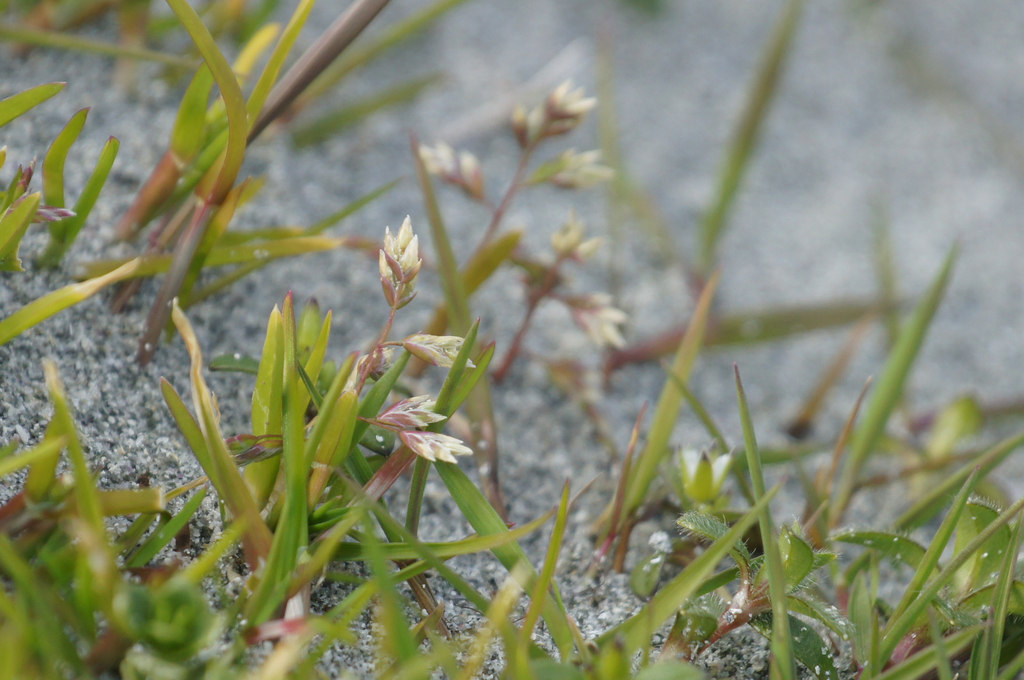
| Annual bluegrass (Poa annua) | glyphosate (EPSP, HRAC 9) | first documented case in Oregon, LD50 3–6× higher | OSU survey, 2025 |
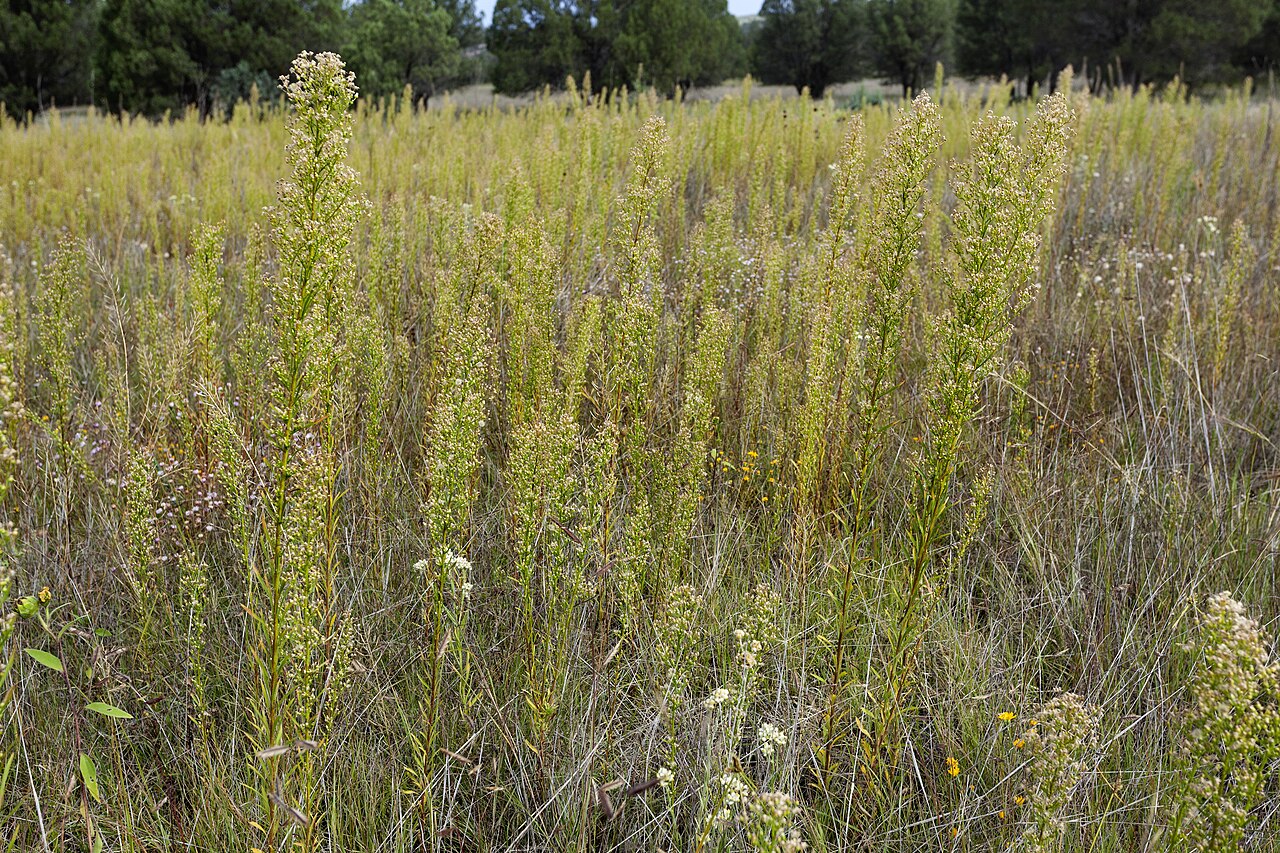
| Annual ryegrass (Lolium rigidum), horseweed (Conyza spp.) | glyphosate | confirmed biotypes in Spain (since 2004) | weedscience.org / Glifosato 35 años |
The Oregon case is particularly instructive: ryegrass populations that were already resistant to glyphosate also showed reduced sensitivity to glufosinate. GR50 (dose for 50% growth reduction) for susceptible populations was 0.15–0.21 kg a.i./ha, and for resistant populations 0.40–0.49 kg a.i./ha. This is a textbook example of why one should not simply replace one herbicide with another, but must change the entire strategy.
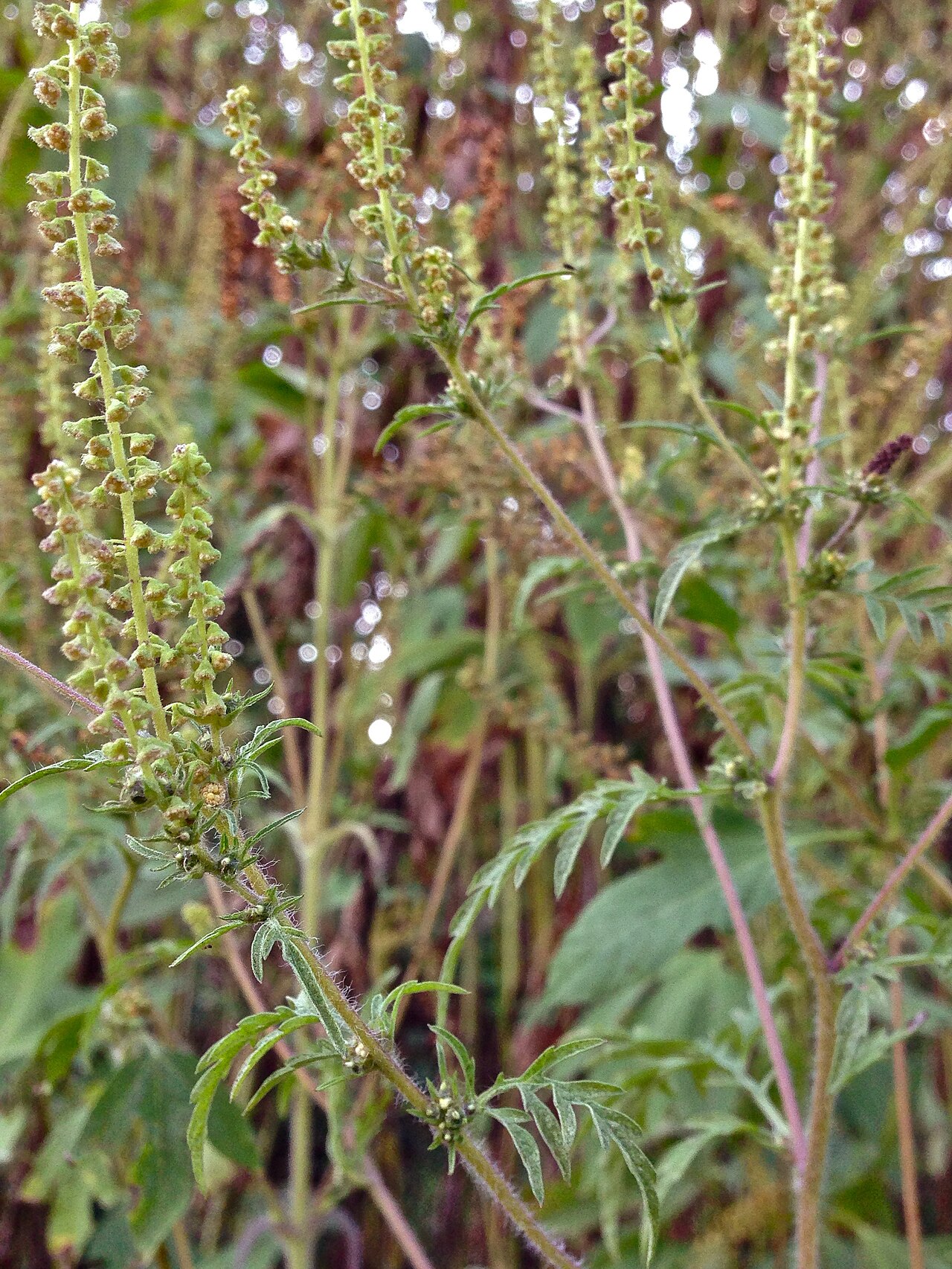
In Croatia, as part of the Ministry of Agriculture project Monitoring of Pest Resistance, it was determined that out of 16 tested ragweed populations, 12 were resistant to the ALS-herbicide oxasulfuron (5 highly resistant) — the first proof of ragweed resistance to this group in Europe (Proceedings of the 64th Plant Protection Seminar). Resistance is, therefore, a Croatian reality, not just an overseas problem.
HRAC Groups: The Language of Modes of Action
The key to an antiresistance strategy is distinguishing between mode of action (MoA) and trade name. Two products with different names may attack the same target in the plant — and rotating between them solves nothing. To avoid this, HRAC (Herbicide Resistance Action Committee) classifies herbicides into groups according to their mode of action, today designated by numeric codes (the older letter system has been abandoned). The most important groups in orchards are:
| HRAC Group | Mode of Action (Target) | Typical Active Substances (Orchards) | Type |
|---|---|---|---|
| 1 | ACCase inhibition | clethodim, sethoxydim, pinoxaden | selective against grasses |
| 2 | ALS (acetolactate synthase) inhibition | chlorsulfuron, metsulfuron, oxasulfuron | high resistance risk |
| 3 | Cell division / microtubule inhibition | pendimethalin, trifluralin | soil (residual) |
| 5 | Photosynthesis inhibition (PSII) | simazine, diuron, terbutryn | soil |
| 9 | EPSP-synthase inhibition | glyphosate | non-selective, systemic |
| 10 | Glutamine synthetase inhibition | glufosinate | non-selective, contact |
| 14 | PPO (protoporphyrinogen oxidase) inhibition | oxyfluorfen, carfentrazone, thiencarbazone | contact / residual |
| 15 | Very long-chain fatty acid (VLCFA) synthesis inhibition | metolachlor, pyroxasulfone | soil |
| 22 | Electron diversion in PSI | paraquat, diquat | non-selective, contact |
Rule number one: Do not plan a program based on product names, but on HRAC numbers. The highest risk of resistance development comes from groups 1 (ACCase) and 2 (ALS) — these should be used with particular caution (Hazelnut growers' handbook; OSU EM 8899). Glyphosate (9) and glufosinate (10) are no longer "invincible" — resistance has been confirmed for both groups.
Note on currency: HRAC publishes an updated global classification of modes of action every year (the latest version is for 2026), so use the current table when planning and check which group each product on your label belongs to.
Rotation of Modes of Action
Rotation means changing the HRAC group across seasons and treatments, not just the product. The logic is simple: if we rotate mechanisms, the resistant mutation from the previous generation gives the weed no advantage against the next, different mechanism.
From literature and web sources, several practical levels emerge:
- Rotation across years — do not rely on the same HRAC group for two consecutive seasons for the same treatment (OSU EM 8899: avoid exclusive use of the same site of action for two consecutive years).
- Mixtures (tank-mix) of multiple mechanisms — simultaneous application of two effective groups in the same spray reduces selective pressure because the weed must survive both targets at once.
- "Double-knock" sequence — sequential application: e.g., glyphosate (9), followed by paraquat (22) after a few days. Experiments show that glyphosate → paraquat significantly improves control of resistant ryegrass compared to glyphosate alone (GRDC; UC Weed Science).
- Rotation/clustering of groups — recent research suggests rotating between clusters of related mechanisms, rather than within them, because plants within the same cluster share cross-resistance pathways.
For fruit orchards and vineyards, the corpus provides a concrete recipe for managing glyphosate resistance (Boydston et al.; UC ANR; RDA Georgia handbook):
- use other methods (cultivation, mowing, mulching);
- where possible, introduce soil (pre-emergence) herbicides from other groups;
- for "burn-down," consider glufosinate or paraquat with PPO-inhibitors;
- apply glyphosate at the full, label-prescribed dose (sub-lethal doses accelerate resistance);
- if glyphosate is still used where resistant weeds already exist, mix it with other herbicides and spray while weeds are small;
- do not allow weeds to reach seed set, and in cross-pollinated species, pollen production.
Informative Dosages and Notes from the Corpus
The following figures are strictly informative — actual dosages, pre-harvest intervals, and registrations depend on the product, cultivar, location, and current label. Always check with advisory services and in the Phytosanitary Information System (FIS) whether the product is permitted in hazelnut.
| Active Substance (HRAC) | Informative Quantity | Note | Source |
|---|---|---|---|
| Glyphosate (9), 480 g/l | 2–12 l/ha | pre-harvest interval for orchards and vineyards ~35 days; higher dose = max annual amount | Galenika program 2025; GZB 2023 |
| Glyphosate (9) | — | do not cultivate soil for 7 days after application; for resistant perennials 2–3 weeks; needs ~6 h without rain | GZB 2023 |
| Glufosinate (10), 280 SL | — | contact; may require sequential applications; best effect on small weeds | Glufosinate 280 SL label |
| Thiencarbazone (14) | ~41–75 g a.i./ha | PPO-inhibitor, candidate for rotation/mixtures against ryegrass | Weed Science, 2024 |
Glyphosate (HRAC 9) works by inhibiting the EPSP-synthase enzyme, thereby blocking the synthesis of aromatic amino acids (phenylalanine, tyrosine, tryptophan); it is systemic and translocating, binds strongly to soil colloids, and is degraded there by microorganisms (GZB 2023). Glufosinate (HRAC 10) inhibits glutamine synthetase and acts primarily as a contact herbicide — this means that complete control often requires sequential applications, and residual "survivors" resistant to glufosinate will not be controlled (Glufosinate 280 SL label).
Integration of mechanical and cover crop measures
An anti-resistance strategy must not rely solely on chemistry. The more non-chemical methods included in the program, the lower the selective pressure on any mode of action.
Mechanical measures:
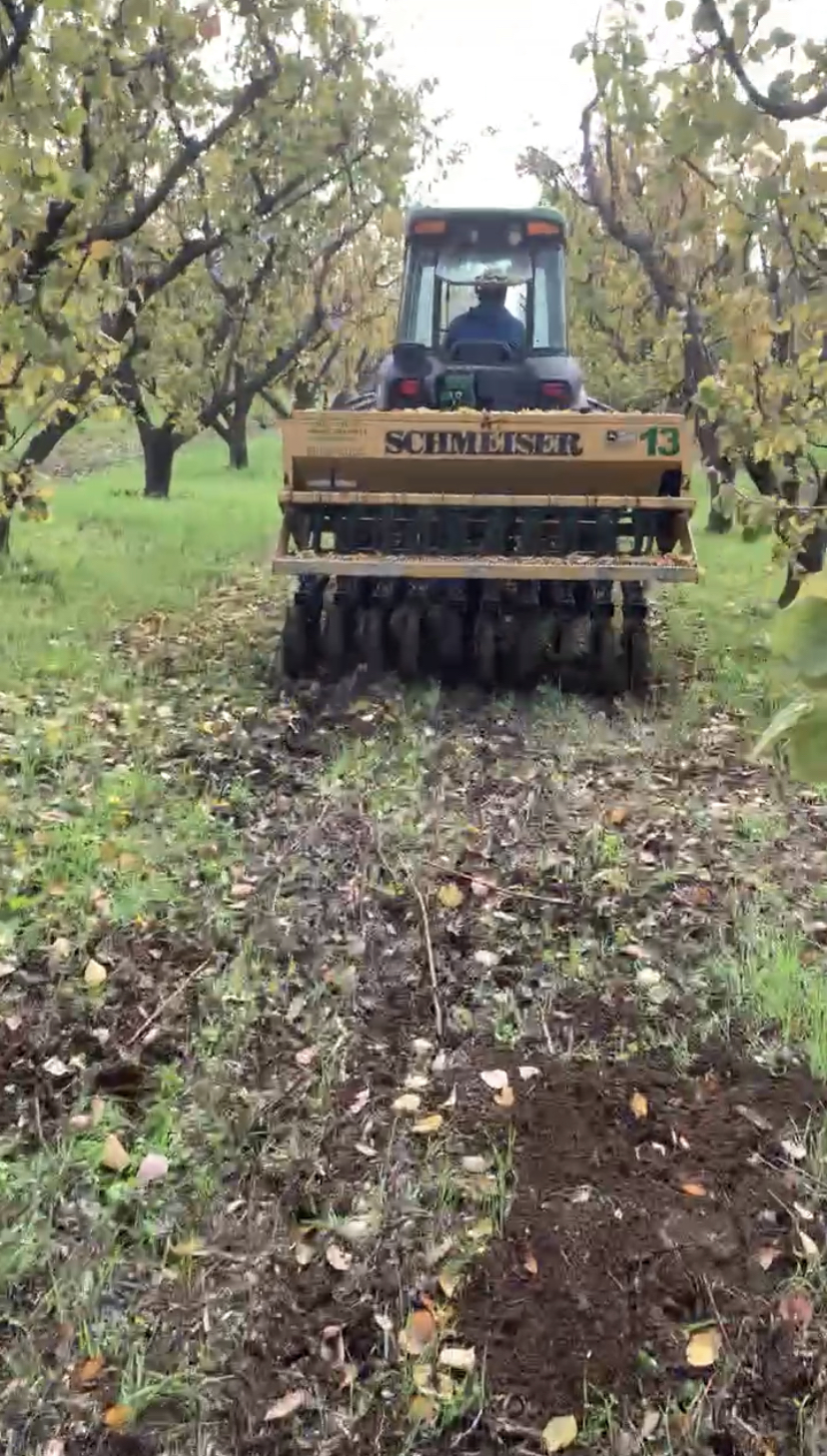
- Mowing and flail mulching of the inter-row space and grassy strips improves accessibility, prevents erosion, and enhances soil health, while simultaneously preventing weeds from reaching seed set (Boydston et al.; RDA Georgia).
- Cultivation/shallow tillage in the row as a replacement or supplement to herbicides — the absence of tillage is one of the main drivers of resistance.
- Thermal and contact measures and organic (contact) herbicides based on acetic, formic, or pelargonic acid; the corpus notes that these act contact-wise, most effectively on small annual weeds at high temperatures (≥26 °C, full sun), whereas larger and perennial weeds are merely "burned" and thus regenerate (master’s thesis on hazelnut sucker suppression).
Cover and grassed areas:
- Permanent grassing of inter-rows with quality grass mixtures, combined with water and fertilization management, improves soil health and suppresses weeds in the long term (RDA Georgia).
- Winter greening of the row strip consumes excess nutrients, prevents erosion, and provides shelter for beneficial insects and mites (Ministry of Agriculture, Integrated Production Guidelines). In young orchards (as well as in olive groves up to 3 years of age), weed control with herbicides can be omitted.
- Cover crops act as "living mulch," competing with weeds for light and space, and reducing the need for herbicides.
Early detection: Surviving weeds after spraying must be identified and prevented from setting seed — this is the cheapest measure against the spread of resistance. Modern techniques (multispectral imaging, chlorophyll fluorescence) enable early recognition of resistant populations before they spread (Proceedings of the 67th Plant Protection Seminar).
Parallel with the anti-resistance approach for pests (IPM)
The logic of the anti-resistance strategy for weeds is almost a mirror image of what we already apply to pests. For insects, there is IRAC (Insecticide Resistance Action Committee); for weeds, there is HRAC — both classify active substances by mode of action and mandate rotation among groups. The GZB 2023 explicitly states that, for example, IRAC group 1A (carbamates) and 1B (organophosphates) insecticides may only be rotated if no alternative exists and if it is certain that there is no cross-resistance — the same rules apply to HRAC weed groups.
Common principles of the IPM/IWM approach:
| Principle | Pests (IRAC / IPM) | Weeds (HRAC / IWM) |
|---|---|---|
| Classification by method | IRAC groups | HRAC groups |
| Mechanism rotation | Exchange of IRAC groups among generations | Exchange of HRAC groups among seasons/treatments |
| Thresholds and monitoring | Economic injury level, pheromone traps | Weed infestation threshold, inspection of surviving weeds |
| Non-chemical measures | Biological control, confusion, mechanics | Mowing, cultivation, cover crops, grassing |
| Chemistry as last resort | Treatment only after crossing the threshold | Herbicide used alongside, not instead of, other measures |
| Preventing cross-resistance | Avoid related groups | Avoid related clusters of mechanisms |
The essence is the same in both cases: chemistry is just one tool, not the entire strategy. Resistance is not defeated by stronger products, but by diversity of methods and disciplined rotation of modes of action.
Practical recommendations and common mistakes
Recommendations:
- Keep records of applications by HRAC number, not by product name; plan rotation in advance for the entire season.
- Include at least one non-chemical measure in every program (mowing, cultivation, cover crop, inter-row grassing).
- Use full, label-prescribed doses and spray while weeds are small.
- Consider soil-applied herbicides from other groups (3, 5, 14, 15) as the foundation, and non-selective ones (9, 10, 22) as a supplement.
- Upon encountering the first "surviving" grasses (e.g., ryegrass), react immediately with a mixture or double strike and do not let them set seed.
Common mistakes:
- Relying on glyphosate (HRAC 9) for years without any other measure.
- "Rotation" among products that are actually the same HRAC group.
- Reducing doses to save money — this selects for moderately tolerant plants.
- Assuming that switching from glyphosate to glufosinate is the solution — cross-resistance in ryegrass shows that it is not.
- Ignoring individual surviving weeds that then seed the entire plot.
Sources
This article is an AI summary compiled from an internal literature collection on hazelnut (RAG corpus) and supplemented with public web sources for currency. Main sources used:
- Avila-Garcia W. & Mallory-Smith C. (2011), Glufosinate resistance in glyphosate-resistant Italian ryegrass populations in hazelnut orchards, Weed Science — https://doi.org/10.1614/ws-d-11-00012.1
- Boydston R. et al. (2013), Preventing and Managing Glyphosate-Resistant Weeds in Orchards and Vineyards (RAG corpus)
- Orchard and Vineyard Vegetation Management (2025) (RAG corpus)
- Herbicide resistance survey of annual bluegrass (Poa annua) in Oregon's hazelnut production (2025) (RAG corpus)
- Hazelnut growers' handbook — chapter on modes of action and resistance management (RAG corpus)
- Oregon State University Extension, Weed Control in Nursery Field Production, EM 8899 (RAG corpus)
- RDA Georgia, Hazelnut production handbook — steps for glyphosate resistance management — http://rda.gov.ge/en/programs/hezelnut-production
- Glifosato: 35 años de empleo y retos para el futuro (2011) (RAG corpus)
- Glasnik zaštite bilja / Sredstva za zaštitu bilja 2023. — properties of glyphosate, IRAC rotation (RAG corpus)
- Galenika-Fitofarmacija, Program zaštite i ishrane biljaka 2025. — informative glyphosate doses (RAG corpus)
- Proceedings of the 64th and 67th Plant Protection Seminars — ragweed resistance in Croatia, early detection of resistance (RAG corpus)
- HRAC Global — global classification of modes of action (2026.) — https://hracglobal.com/tools/2026-hrac-global-herbicide-moa-classification
- HRAC, Guideline to the Management of Herbicide Resistance — https://hracglobal.com/files/Management-of-Herbicide-Resistance.pdf
- HRAC classification (overview of groups and mechanisms) — https://en.wikipedia.org/wiki/HRAC_classification
- GRDC, How we best manage glyphosate and paraquat resistance in annual ryegrass (2024) — https://grdc.com.au/resources-and-publications/grdc-update-papers/tab-content/grdc-update-papers/2024/02/how-we-best-manage-glyphosate-and-paraquat-resistance-in-annual-ryegrass
- UC Weed Science / UC ANR — Contrasting Rely and glyphosate for orchard weed control; Italian ryegrass update — https://ucanr.edu/blog/uc-weed-science