Hazelnut Export from the United States: Requirements and Opportunities
Research-grounded draft (sources cited) — adapt to local context
Article adapted to the United States (Oregon), based on Croatian/EU research literature (see Sources). Figures come from the cited studies and are indicative for the United States (Oregon): verify local equivalents with USDA, FSA, state Departments of Agriculture (e.g. Oregon), OSU Extension, Oregon Hazelnut Commission.
Exporting hazelnuts from the United States, particularly from key growing regions like Oregon, presents a dual reality: while the U.S. is a significant global producer, domestic production often does not fully satisfy internal demand, leading to reliance on imports for certain market segments. However, expanding orchard areas and improving processing capabilities offer a real opportunity to reverse this trade balance in the coming decade. For producers considering markets beyond domestic borders, it is crucial to understand three key elements: the necessary paperwork and certifications, the conditions (phytosanitary, customs, and food safety) that must be met, and in which markets U.S. hazelnuts are competitive. This article connects these levels and provides practical guidelines for small and medium-sized producers and buyers.
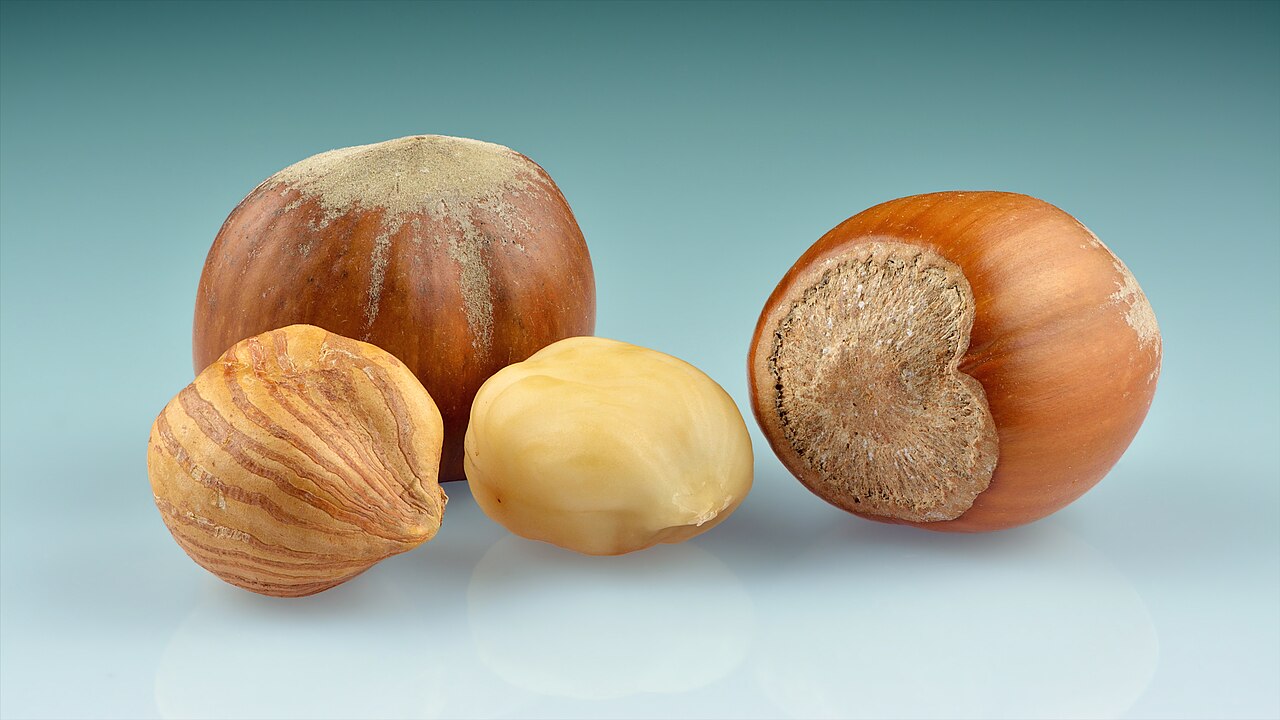
Starting Picture: Where U.S. Hazelnuts Stand Today
The United States, particularly Oregon, has favorable agroclimatic conditions for hazelnuts, but the market dynamic is complex. Literature from comparable agricultural economies notes that domestic production is often insufficient to meet own needs, necessitating imports [2]. For instance, data from Croatia indicates an annual import of approximately 665 tons of hazelnut kernels to meet domestic needs [2]. While specific U.S. import volumes vary, the structural reliance on imports for certain kernel types or volumes is a shared characteristic with other non-dominant producing regions.
Despite this, a portion of domestic production is exported, often through intermediaries. The largest Croatian producer, Poljoprivredno poduzeće Orahovica d.d., operates on 230 hectares of 28-year-old orchards and 46 hectares of young orchards, demonstrating that even in deficit markets, commercial scale production exists [3]. In the U.S., Oregon dominates production, but growers must verify current domestic supply-demand balances.
| Indicator | Value (Orientational) | Period |
|---|---|---|
| Domestic Production vs. Demand | Deficit (Net Importer) | Long-term |
| Key Import Volume (Reference) | ~665 tons/year (Croatia) | 2015 |
| Global Production Leader | Turkey (~70% of world production) | Permanent |
Note: The import figure above is from Croatian data [2]. U.S. producers should verify current U.S. import/export statistics from the USDA or National Agricultural Statistics Service (NASS).
What Makes Export Goods: Quality Before Paperwork
Before discussing certificates, it is essential to emphasize that export business begins with quality and uniformity. Literature shows that large buyers — the food and confectionery industries and retail chains — set strict requirements: minimum quantities, specific kernel size and shape, and allowed moisture content [3]. Failure to meet these conditions often forces producers to sell to intermediaries or foreign markets with lower standards.
Practical consequences for exporters:
- Kernel Moisture. Hazelnuts must be dried to a safe moisture level before storage and shipment (orientational target around 5–6% for kernels); high moisture leads to mold and aflatoxin, which is a zero-tolerance issue in many markets. The exact target percentage depends on the buyer and contract.
- Calibration and Sorting. Uniform kernel size and a low percentage of defects (empty, moldy, or damaged nuts) are prerequisites for industrial buyers.
- Processing. In reference markets, processing is concentrated. For example, the largest Croatian producer operates a modern facility for cleaning, drying, calibrating, shelling, sorting, and packing, with capacity for service processing for smaller producers [3]. Small U.S. producers without their own facilities should calculate the cost of service processing or consider cooperatives.
Without investment in drying, calibration, and cold storage, export to demanding buyers (e.g., Germany, Italy, confectionery industry) is realistically not possible — only placement of lower added-value goods through intermediaries is feasible.
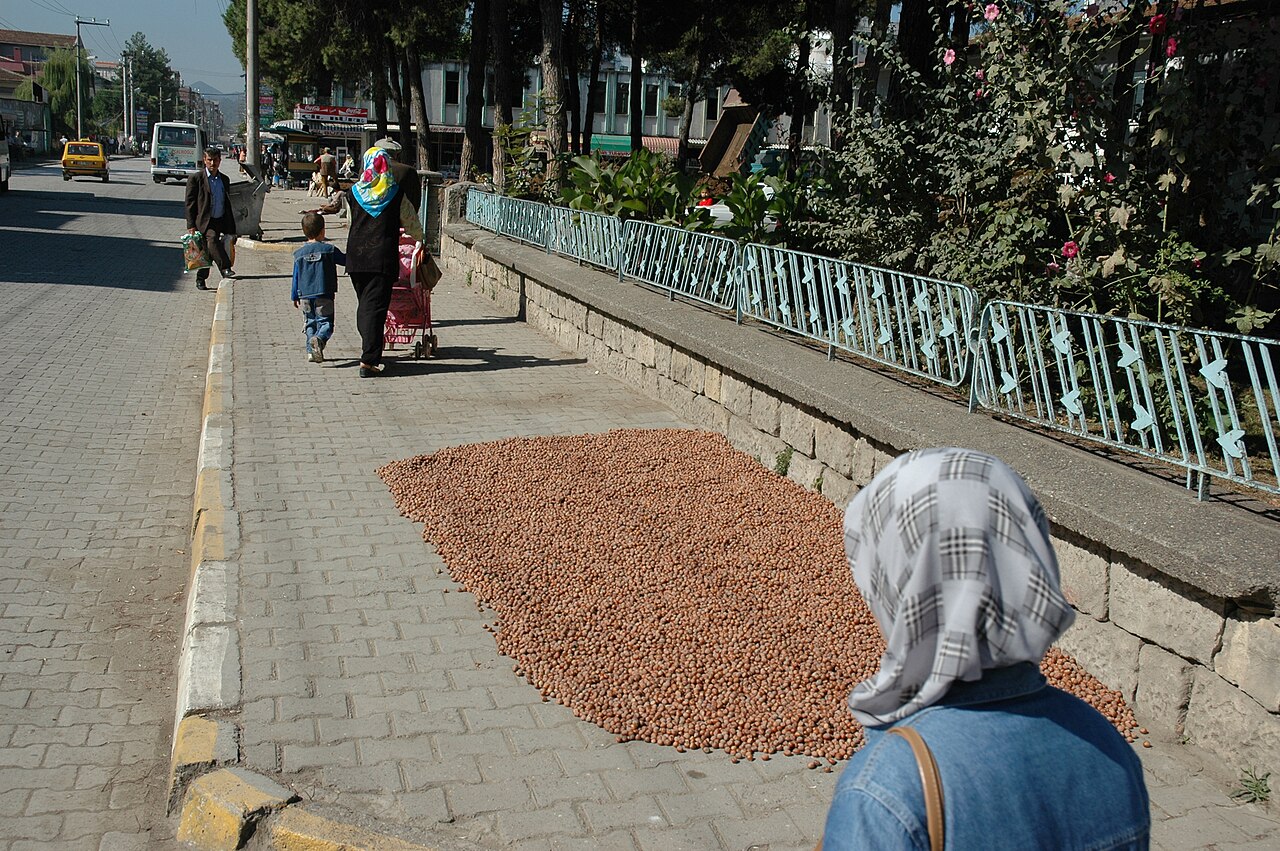
Food Safety: Aflatoxin as the Main Export Threshold
For hazelnuts as a tree nut, the most important barrier in international markets is not customs, but food safety — primarily aflatoxins. This is a group of mycotoxins produced by molds (Aspergillus), and many markets, including the EU, impose very low maximum permitted levels.

| Parameter | Maximum Permitted Level (Orientational) | Purpose |
|---|---|---|
| Aflatoxin B1 | < 2 µg/kg | Hazelnuts for direct human consumption |
| Total Aflatoxins (B1+B2+G1+G2) | < 4 µg/kg | Hazelnuts for direct human consumption |
For hazelnuts intended for sorting or further processing before consumption, regulations may allow slightly higher levels, as processing is expected to reduce contamination. Exact values, categories, and sampling methods are defined by market-specific regulations. For U.S. exporters, compliance with FDA and USDA standards is critical.
For the exporter, this concretely means:
- Analytical Testing. Every export batch must be tested for aflatoxin in an accredited laboratory, with a correct sampling plan (sampling tree nuts is regulated and non-trivial — an incorrect sample yields an incorrect result).
- HACCP and Traceability. Every entity in the food business must have an established HACCP system and traceability "one step back / one step forward."
- Hygiene and Storage. Dry, ventilated, and cold storage prevents mold development after harvest — this is the first and cheapest line of defense against aflatoxin.
If a product repeatedly fails to meet food safety legislation, markets may introduce enhanced import controls (health certificate and analytical report for a certain percentage of shipments) or completely stop imports from the country. This primarily applies to imports from third countries, but shows how seriously markets treat the safety of tree nuts.
Phytosanitary Conditions and Customs
It is important to distinguish between two situations: trade within a unified market (e.g., U.S. domestic or USMCA partners) and export to third countries (outside the unified market). These are two completely different regimes.
Trade Within a Unified Market (e.g., USMCA)
For trade within agreements like USMCA, there is no "export" in the traditional customs sense — it is movement within a single market. This is why neighboring countries are often the first export destinations.
- No Customs Duty and no customs declaration for trade within the agreement.
- Phytosanitary Certificates. For dry, processed fruit for food, the phytosanitary burden is significantly lower than for live planting material. However, specific requirements may still apply depending on the partner country's regulations.
- Caution with Planting Material. If hazelnut planting material (seedlings, grafts) is exported, stricter rules apply — phytosanitary certificates, registration of professional subjects, and use of declared planting material from registered nurseries. This is important because U.S. nurseries produce and sell seedlings to domestic and foreign markets.
Export to Third Countries (Outside the Agreement)
For destinations outside the unified market (e.g., Middle East, non-USMCA Balkan countries, overseas markets), the classic export regime applies:
- Phytosanitary Certificate. Issued by the competent phytosanitary service of the exporting country according to the requirements of the importing country. The procedure typically includes: receiving and verifying the request, verifying the registration of the subject, verifying the phytosanitary requirements of the importing country, documentary and identity checks, physical controls, issuing the certificate, and entry into the information system [4].
- Certificate of Free Sale. Some countries require confirmation that the product is freely sold and fit for human consumption in the country of origin [4].
- Health/Hygiene Certificate and possibly a Certificate of Origin for customs preferences.
- Organic Certificate. If the goods are sold as organic, the certification must provide proof that the product is recognized as organic in the country of origin [4].
It should be noted that a phytosanitary certificate for dry tree nuts is not always mandatory — this depends on the importing country and whether the product is listed in their catalogs. In reference literature, exporters have complained that customs officials sometimes request phytosanitary certificates for dry products even when they are not mandatory under EU regulations [6]. Lesson: before each shipment, verify the actual requirements of the specific importing country (often the buyer/importer has them) to avoid unnecessary costs and border delays.
Customs Duties
For imports of hazelnuts into the EU from third countries, the historical contractual customs duty rate was 3.2%, equally for hazelnuts in shell (CN 0802 21 00) and shelled hazelnuts (CN 0802 22 00), without additional quotas.
| CN Code | Name | Contractual Duty Rate (Orientational) |
|---|---|---|
| 0802 21 00 | Hazelnuts in shell | 3.2% |
| 0802 22 00 | Shelled hazelnuts | 3.2% |
Note: This rate is informative and historical (data from the corpus refers to 2014) [7]. Current rates, quotas, and preferential agreements should be verified in the relevant tariff database (e.g., HTS for U.S. exports) before business. For U.S. producers, it is important to note that when shipping within the U.S. or USMCA, there is no customs duty, while when exporting to a third country, the customs duties of that country apply, not the U.S. import duty.
Target Markets and Competitiveness of U.S. Hazelnuts
Global Context
World hazelnut production has long hovered around 0.8–1.1 million tons in shell annually, and Turkey dominates with 60–70% of world production and is also the largest exporter — exporting a large portion to Germany, the largest importer [7]. Italy and the U.S. follow as significant producers, while Germany, Italy, and France are the largest importers. This is a strategically important datum: The U.S. cannot and should not compete with Turkey on price and volume in the raw material market for mass confectionery industry.
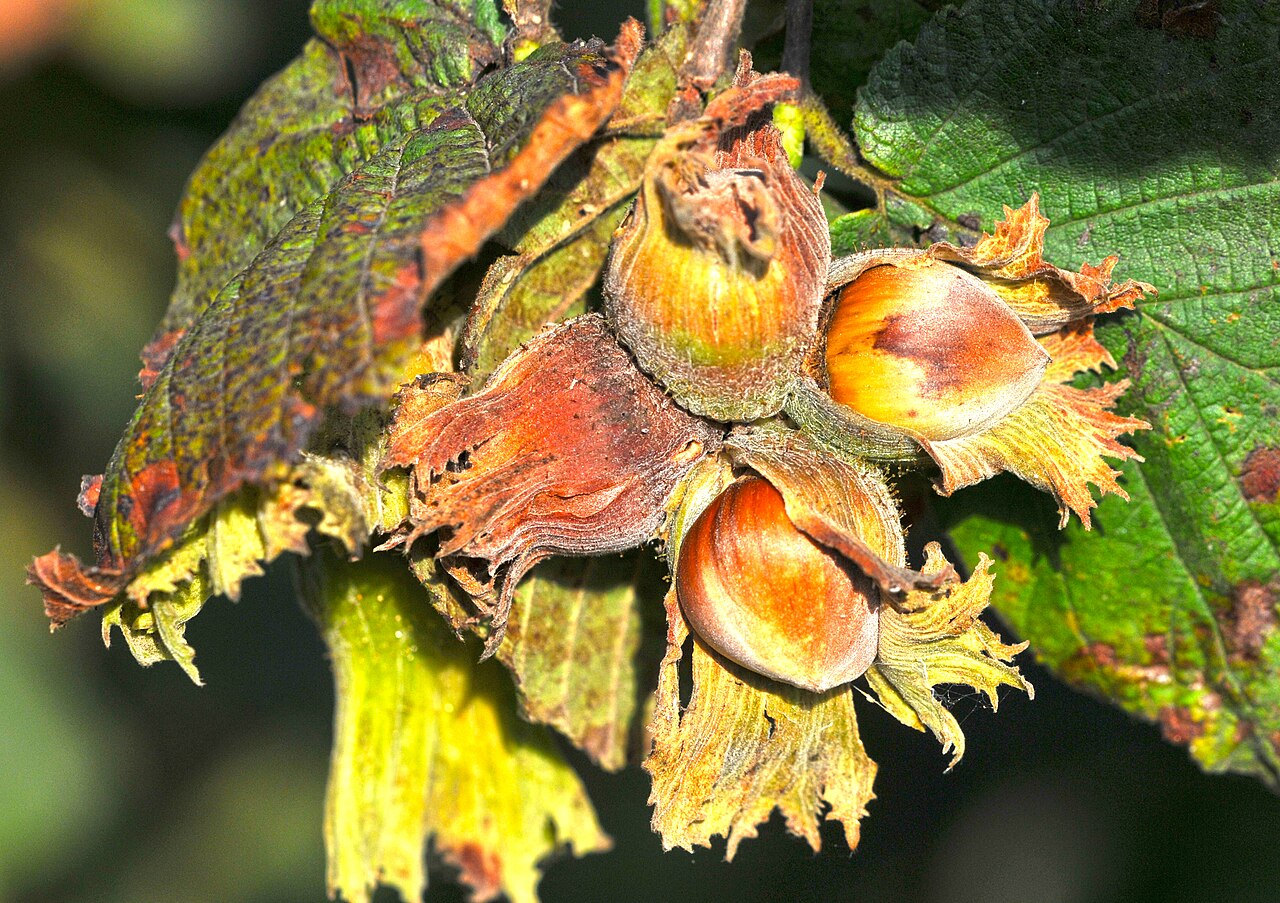
Where the U.S. is Competitive
U.S. competitiveness does not lie in quantity but in niches:
- Proximity and Logistics for Regional Markets. Neighboring countries and USMCA partners are proven destinations. Low transport costs and the same market (no customs) are the easiest export route.
- Premium and Traceable Product. Smaller, identity-labeled batches (variety, region of origin, organic cultivation) can achieve a higher price than anonymous Turkish raw material. Domestic varieties such as Yamhill, Wheeler, and Jefferson are grown in commercial orchards and offered to domestic and foreign markets.
- Processing and Added Value. Exporting roasted, shelled, ground kernels, pastes, and oils brings a higher margin than exporting raw material and reduces exposure to global market price fluctuations.
- Short Links with Buyers. Confectioners, bakeries, and specialized traders in neighboring countries value supply consistency and quality more than the lowest price.
What Hinders Competitiveness
- Small and Fragmented Volumes — it is difficult to meet the minimum quantities of large buyers. The solution is producer organizations, cooperatives, and service processing.
- Price Fluctuations — global prices strongly depend on the Turkish harvest (frost, yield), so prices can vary significantly from year to year.
- Lack of Processing and Cold Storage among small producers, which limits access to demanding buyers.
- Youth of Orchards — a large part of newly planted areas is not yet in full production.
Practical Recommendations and Common Mistakes
Recommendations
- Start with Regional Markets (USMCA partners, Canada, Mexico) because there is no customs duty or classic phytosanitary certificate for processed fruit — administratively it is the simplest.
- Solve Food Safety First. Establish HACCP and traceability, dry the fruit to safe moisture, and perform aflatoxin analysis in an accredited laboratory for each export batch.
- Unite. Through a cooperative or producer organization, you will more easily reach minimum quantities and service processing and approach larger buyers.
- Build Product Identity (variety, region, eco-certification) — this is the U.S. competitive advantage, not mass volume.
- For Export to Third Countries, First Obtain the List of Required Documents from the Buyer/Importer and the competent phytosanitary service; confirm current customs duties in the HTS database.
- Invest in Processing and Cold Storage if you want stable access to demanding buyers.
Common Mistakes
- Shipping goods with high moisture → mold and aflatoxin → rejection of shipment.
- Incorrect (non-representative) sampling for aflatoxin analysis → false "clean" result and problem with the buyer.
- Confusing rules for fruit and for planting material — seedlings have a much stricter phytosanitary regime (plant passport, registration, declared material).
- Assuming that rules for regional markets and third countries are the same — customs, certificates, and documentation differ significantly.
- Relying solely on an intermediary who does not demand quality — sells goods in the short term, but does not build price or stable market.
Sources
- INVESTICIJSKA STUDIJA ZA PROIZVODNJU INOVATIVNIH PROIZVODA NA BAZI LJEŠNJAKA (Corylus avellana L.) (2019)
- Tehnološka i ekonomska obilježja uzgoja lijeske (2018)
- LIBERTAS MEĐUNARODNO SVEUČILIŠTE aba5bacb (2018)
- FAIRS Export Certificate Report Annual (2025)
- EKONOMSKA USPOREDBA RAZLIČITIH SUSTAVA UZGOJNIH FORMI LJEŠNJAKA (2015)
- Food and Agricultural Import Regulations and Standards Export Certificate Report (2021)
- core 45d59620cc29f4ca 1 (2014)