Sensory evaluation and organoleptic quality of the kernel
Content generated by artificial intelligence — verify before application
This article was automatically compiled from a collection of hazelnut literature using artificial intelligence and may contain errors or outdated data. It serves as a starting point for further research, not as professional advice. Dosages, products, and timing are informative and depend on the cultivar, location, and current regulations — always verify with advisory services and official sources before application.
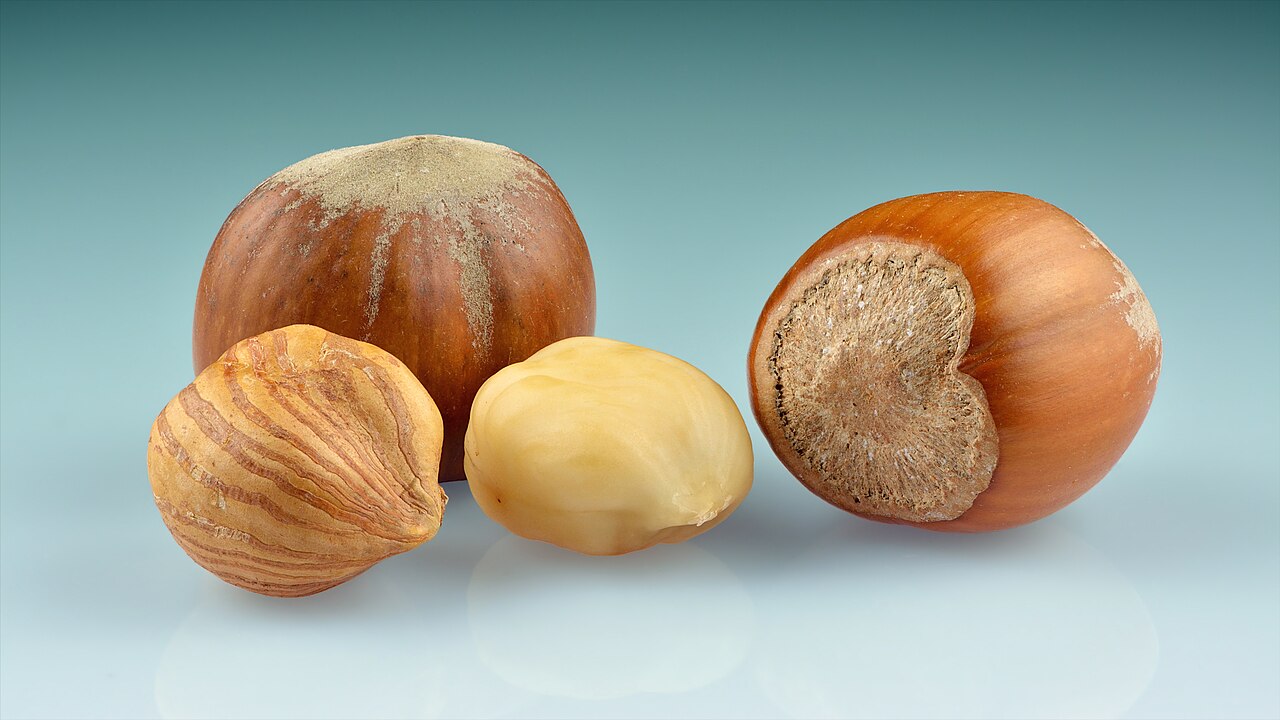
Sensory evaluation of the hazelnut kernel is where all the care taken regarding cultivar, nutrition, protection, harvest, drying, and storage finally translates into a market assessment — by the buyer, processor, or consumer. Chemical analyses (peroxide value, fatty acid composition, moisture) indicate the state of the oil in the kernel, but only the human palate evaluates flavor, aroma, and texture in the way the end consumer does. This article explains methods for sensory (organoleptic) evaluation of flavor, aroma, and texture, how to identify and quantify rancidity and other defects, and how sensory properties are linked to cultivar, roasting, and market acceptance.
Why sensory evaluation, not just chemistry
Sensory methods are subjective by definition, but indispensable: chemical numbers do not always capture what the consumer perceives. Domestic literature on hazelnut oil stabilization explicitly states that sensory methods "are based on determining the presence of unpleasant rancid smell and taste resulting from oxidation reactions" and that they are "subjective and insufficient for making a final assessment of a product, but are essential for testing oil quality" (Stabilization of a mixture of hazelnut and linseed oil, 2019).
Research on related nuts shows why sensory evaluation and chemistry must be used together. For almonds, average hedonic scores fell below the acceptable threshold after just 6 months of storage, even though the peroxide value had not yet exceeded the industrial rejection limit (PV < 5 meq O₂/kg oil). In other words, the panel "sensed" the problem before the chemical threshold recognized it — certain volatile compounds (hexanal, octanal, nonanal, heptanal, etc.) correlated better with liking than classical chemical indicators alone (UC Davis, almond rancidity).
Conclusion for the producer: sensory evaluation is an early, inexpensive, and market-relevant quality control that complements, rather than replaces, laboratory analysis.
Types of sensory methods
Sensory methods are divided into three main groups, depending on what you want to find out.
| Method Group | Answers the question | Who evaluates | Typical application for hazelnuts |
|---|---|---|---|
| Discriminatory (e.g., triangle test) | "Is there any difference among the samples?" | Semi-trained assessors | Comparison of two batches, two cultivars, two roasting profiles |
| Descriptive (QDA, flash profiling) | "How and to what extent do they differ?" | Trained panel | Cultivar profiling, roasting control, shelf-life monitoring |
| Hedonic / Affective (liking scale, JAR, CATA) | "How much does the consumer like it?" | Untrained consumers (usually 60+) | Market acceptance, product development |
For serious characterization of kernel quality in practice, descriptive analysis (objective profile of attribute intensity) and hedonic analysis (liking) are most often combined, with conclusions confirmed by chemistry and instruments as needed.
Descriptive (quantitative) analysis — QDA
In quantitative descriptive analysis, a trained panel rates the intensity of each attribute on a scale (most commonly 0–10). An example from literature on roasting the Italian cultivar Tonda Gentile delle Langhe uses a 0–10 scale for a series of descriptors divided into groups: odor, texture, taste, and aroma (retronasal). The descriptors used were:
- Odor: hazelnut, woody, bread, caramel, smoky
- Texture: hardness, crispness, pastiness/softness
- Taste: sweet, sour, bitter
- Aroma (retronasal): hazelnut, woody, bread, caramel, smoky, rancid, oily
According to more recent descriptive and hedonic literature (raw and roasted hazelnuts), a typical dictionary of attributes for raw and roasted kernels also includes: fruity, fatty/nutty, green, citrusy, earthy, floral, malty, popcorn, and negative notes — rancid, cardboard-like, dusty, burnt.
Hedonic analysis and tools for consumer panels
The hedonic scale (e.g., 1–9, "extremely dislike" to "extremely like") measures liking. Alongside it, the following are used:
- JAR scale (Just-About-Right): is an attribute too little, just right, or too much (e.g., roasting intensity).
- CATA (Check-All-That-Apply): the consumer marks all descriptors that describe the sample.
In domestic work on ice cream with added hazelnut cookie, the hedonic scale, JAR scale, and CATA test were combined, with most respondents under 25 years old (Sensory properties and acceptability of ice cream, 2024). This is a good template for evaluating the acceptability of the kernel itself or hazelnut products.
How to properly conduct a panel (practical protocol)
Recurring elements of good sensory testing are extracted from the reviewed literature:
- Panel size and type. Descriptive panel: ~8–12 trained assessors. Semi-trained panel: up to ~30 people (e.g., 30 university staff assessors rated taste/aroma, odor, structure/texture, and color/appearance on a scale up to 5 points — Technological quality parameters in chocolate spread, 2025). Hedonic consumer panel: as many untrained assessors as possible.
- Training. Qualified, specially trained assessors are "key to reliable and consistent results"; their performance should be monitored (repeatability, reproducibility, discrimination ability) — e.g., using PanelCheck software (Characterization of food products…, 2016). In domestic work on confectionery products, a week of preliminary panel preparation was conducted.
- Standardized procedure. Evaluation according to an assessment sheet; e.g., according to ISO 4121 (quantitative sensory scale) — used for extruded snack products with hazelnut by-products (ISO 4121:2003).
- Environment and coding. Neutral room without odors and noise; samples coded with three-digit numbers; water for "palate cleansing" between samples (Technological quality parameters in chocolate spread, 2025). Panels are held at a stable time of day (e.g., 10:30–11:30).
- References. Profiles are compared with a reference (commercial) sample to place intensities in context.
Example: sensory scores and their link to overall assessment
In a study on Tonda Gentile roasting, the descriptor hazelnut odor showed statistically significant differences among samples (range ~3.3 to ~7.1 on a 0–10 scale) and was strongly correlated with the overall score (ρ = 0.70), woody odor (ρ = 0.73), and caramel odor (ρ = 0.82). Pearson correlations with the overall score (with statistical significance) looked like this:
| Descriptor | Link to overall score |
|---|---|
| Hazelnut odor | strong positive (P ≤ 0.01) |
| Hazelnut aroma | strong positive (P ≤ 0.01) |
| Pastiness | strong (P ≤ 0.01) |
| Caramel odor/aroma | moderate (P ≤ 0.05) |
| Sweet taste | moderate (P ≤ 0.05) |
| Rancid aroma | strong, negative direction (P ≤ 0.01) |
| Woody/bread/smoky/oily | no significant correlation |
The message is clear: pronounced hazelnut aroma "pulls" the score up, and rancidity pulls it down — these are the two attributes that the producer must monitor most closely.
Rancidity and other flavor defects
Rancidity is the most important defect of the hazelnut kernel because the kernel contains about 60% oil, predominantly unsaturated fatty acids (oleic, linoleic), which are prone to oxidation. Sensory rancidity is described as an unpleasant, "oily," "painty/varnished," cardboard-like, or dusty smell and taste.
Chemical basis of sensory rancidity
Lipid oxidation is the main determinant of quality because the high content of unsaturated fats makes the kernel sensitive; understanding fatty acid degradation is key to reducing rancidity and extending shelf life (Aroma Blueprint, Corylus avellana, 2022). There are two types of spoilage:
- Hydrolytic rancidity — increase in free fatty acids (acid value).
- Oxidative rancidity — formation of hydroperoxides (peroxide value, POV) and subsequently volatile carbonyls (hexanal, etc.) that give the recognizable smell.
Useful informational framework (values are indicative and depend on the product, regulations, and method — always check the current customer specification/label):
| Indicator | What it measures | Often cited benchmark |
|---|---|---|
| Peroxide value (POV) | initial oil oxidation | industrial rejection limit is often cited around PV < 5 meq O₂/kg oil |
| Free fatty acids (FFA / acid value) | hydrolytic spoilage | the lower, the better; increases with storage and poor drying |
| Volatile carbonyls (hexanal, nonanal…) | sensory rancidity | correlate better with "liking" than POV alone |
Important warning from almond literature: the chemical threshold (PV) may still be "correct" while the palate has already rejected the product. Therefore, sensory evaluation remains a mandatory complement.
Defects related to orchard protection and health
Not all flavor defects come from storage. Domestic literature describes:

- Stink bugs (brown marmorated stink bug): piercing during the kernel filling phenophase (May–July) causes shriveled kernels and dark, bitter spots that directly reduce usability and market value.
- Fungal/bacterial fruit infections: attacked kernels become yellow to brown, and their taste becomes sour, losing all nutritional attributes.
These defects should be distinguished from oxidative rancidity because they are resolved in the orchard (protection, harvest, hygiene), not in storage.
Kernel texture
Texture is the third major axis of sensory evaluation. It is measured by descriptors hardness, crispness, and pastiness/softness (scale 0–10), and in products (spread, paste) also spreadability and consistency. Texture depends on the cultivar, kernel moisture, and roasting: over-roasting gives a too-hard, "over-dried," and burnt texture, while under-roasting gives a fatty/pasty one. In morphological descriptions of domestic cultivars, the texture of kernel fibers is described as "smooth," which is a desirable attribute (Hazelnut assortment in the Municipality of Vrsar, 2023).
Connection to Cultivar
The cultivar sets the "factory-default" sensory profile of the kernel.
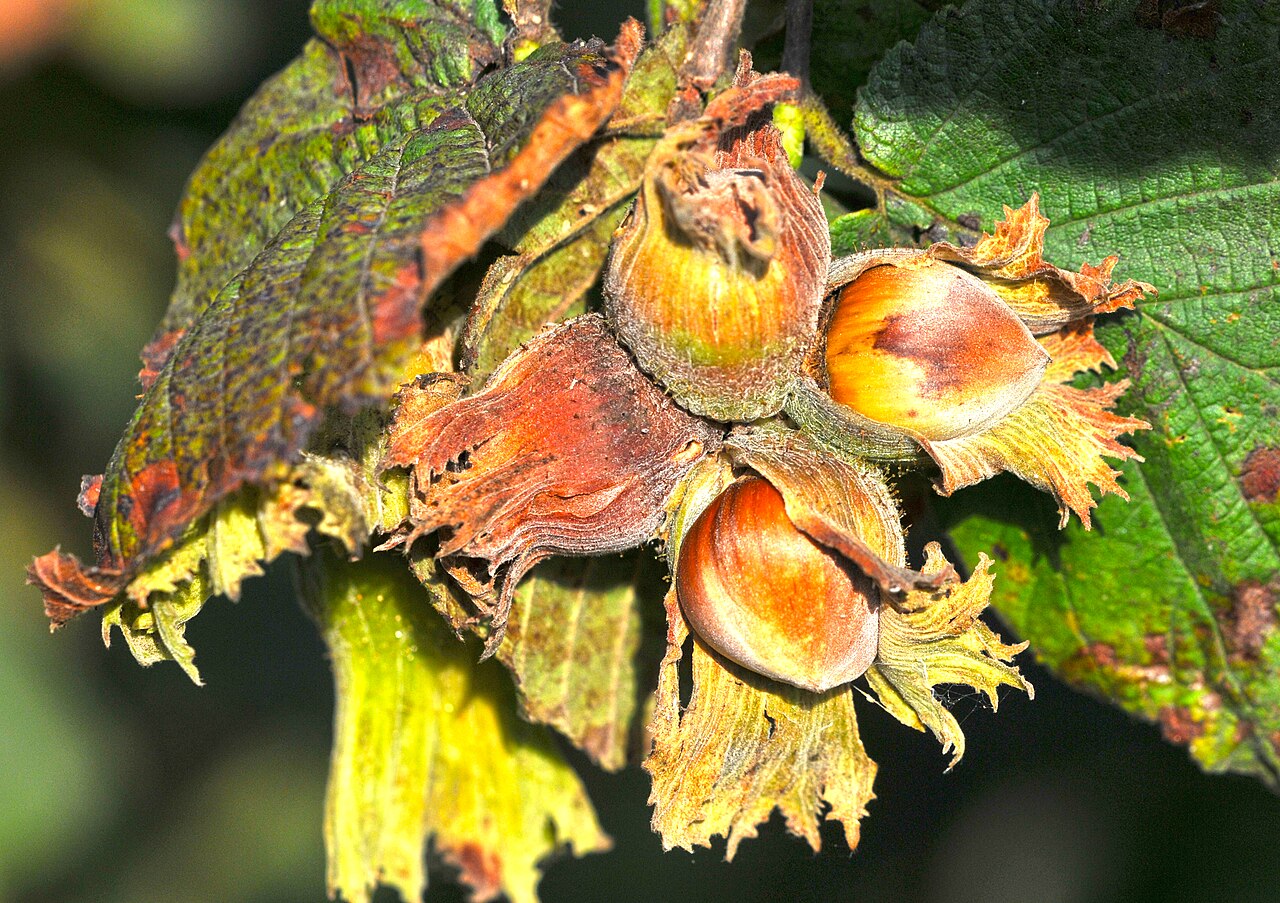
Panel testing has been confirmed to differentiate cultivars and batches within the same cultivar, aiding in the qualitative assessment of lots, which still partly relies on technological properties (kernel recovery rate, uniformity of caliper, presence of defects) — Italian experiences explicitly state this (Associazione di Agraria, 2021; VALSANUT, Tor Vergata, 2012).
Examples from domestic literature:
- A cultivar with a "sweet, yellowish-white kernel and weakly expressed aroma," very suitable for fresh consumption and well-accepted in the confectionery industry due to its round shape; the skin peels off well during roasting.
- Istrian Long: "the taste is very pleasant with a distinct hazelnut aroma," the skin peels off 88% after roasting, and the nuts remain of good quality even after a year and a half in ordinary storage — the combination of strong aroma and good stability is very favorable for sensory quality.
Practically: cultivar selection is the first and most enduring step for sensory quality — strong, pure hazelnut aroma, good skin peelability after roasting, and resistance to rancidity in storage are desirable target traits.
Connection to Roasting
Roasting is the crucial step that releases and reshapes the aroma (Maillard reactions, carbonyls, pyrazines), but it can also cause harm:
- Proper roasting enhances the hazelnut scent and aroma, crispness, and develops notes of bread and caramel, while also facilitating skin peeling.
- Over-roasting/over-roasting results in a burnt, bitter, and overly hard kernel and can trigger oxidation (in related nuts, kernels roasted at excessively high temperatures showed high POV and poor sensory quality — excessive browning, bitterness).
- Under-roasting/under-roasting leaves a poorly developed aroma and a "raw" character.
Therefore, optimizing roasting temperature and time by cultivar is recommended, combined with sensory panel testing and colorimetry (color measurement — L*, hue, chroma, ΔE) and chemical indicators, as done in the protocol for Tonda Gentile (2013). The latest methods go further: GC×GC and "artificial smelling intelligence" (SEBES, sensomics) aim to predict the key aromatic signature without a human nose (Progress in hazelnut quality assessment, 2021) — but for the producer, panel testing remains accessible, inexpensive, and market-relevant.
A Guideline, Not a Recipe
Specific roasting temperatures and times vary significantly by cultivar, kernel size, and equipment. Values and thresholds from literature are informative — always verify them on your own cultivar and equipment, and align them with customer specifications and current regulations.
Connection to Market Acceptance
The ultimate goal of sensory analysis is to link the profile with what the market buys:
- Hedonic rating directly measures liking; descriptors that "pull" liking higher are stronger hazelnut aroma, crispness, and moderate sweetness, while those that "pull" it lower are rancidity, bitterness, and burnt notes.
- Panel testing as a market tool: serves to discriminate between cultivars and lots, define reasonable shelf life, and monitor quality throughout the product's lifecycle (VALSANUT; Associazione di Agraria).
- Link to standards and regulations: sensory assessments fit into food quality and safety systems; the profile and absence of defects form the basis for product positioning (fresh consumption, confectionery, oil, spreads).
Practical Recommendations and Common Mistakes
Recommendations
- Implement a simple, regular internal panel (even semi-trained) with a standardized sheet and a reference sample.
- Monitor rancid aroma as a key "alarm" — it most strongly lowers the overall score.
- Combine sensory analysis with POV/FFA and, where possible, color (colorimetry) for roasting.
- Optimize roasting by cultivar and document the profile (time/temperature → color → sensory profile).
- Control moisture, storage conditions, and hygiene to slow down oxidation.
- Choose cultivars with pure hazelnut aroma, good skin peelability, and stability in storage.
Common Mistakes
- Relying solely on chemistry: POV may be "fine" while the palate has already rejected the product.
- Relying solely on sensory analysis without panel control (training, reproducibility).
- Ignoring the neutral environment: odors/sounds and not rinsing the palate compromise results.
- Confusing orchard defects (bitter spots from stink bugs, acidic kernel from infection) with oxidative rancidity.
- Over-roasting "for color" which creates bitterness and triggers oxidation.
Sources
This article is an AI summary (RAG) from an internal collection of hazelnut literature and public sources; figures and thresholds are informative and should be verified with official sources and advisory services. Main sources used:
- Setting a Protocol for Hazelnut Roasting using Sensory and Colorimetric Analysis — Tonda Gentile delle Langhe (2013) — RAG corpus (processing.roasting)
- Impact of antioxidants on stabilizing a mixture of hazelnut and linseed oil (2019) — RAG corpus
- Technological quality parameters in chocolate spread: hazelnut roasting process (2025) — RAG corpus
- Characterization of Food Products by Chemical, Physical and Sensory Properties: A Combined Approach (2016) — RAG corpus (PanelCheck)
- Sensory properties and acceptability of ice cream with hazelnut cake and industrial hemp additive (2024) — RAG corpus
- Cascading use of hazelnut by-products (2025; ISO 4121:2003) — RAG corpus
- Hazelnut assortment in the area of Vrsar Municipality (2023) — RAG corpus
- Brown marmorated stink bug and bacterial canker of hazelnut (2023) — RAG corpus
- Diseases and pests of hazelnut (FAZOS, 2020) — RAG corpus
- GUIDE for hazelnut cultivation, savjetodavna.mps.hr (2024) — RAG corpus
- Progress in Hazelnut Quality Assessment via AI smelling (GC×GC, 2021) — RAG corpus
- VALSANUT, Università Tor Vergata (2012) and Associazione di Agraria (2021) — RAG corpus (panel testing, cultivar discrimination)
- Corylus avellana L. Aroma Blueprint: Potent Odorants Signatures (Frontiers/PMC, 2022) — https://pmc.ncbi.nlm.nih.gov/articles/PMC8929135/
- Consumer acceptance and sensory perception of roasted American-European hybrid hazelnuts (J. Food Science, 2024) — https://ift.onlinelibrary.wiley.com/doi/full/10.1111/1750-3841.17163
- Chemical and Sensory Characterization of Oxidative Changes in Almonds (UC Davis) — https://mitchell.ucdavis.edu/sites/g/files/dgvnsk916/files/2018-10/2017_Almond%20Rancidity_Franklin.pdf
- Assessing the Impact of Roasting Temperatures on Quality of Macadamia Nuts (PMC, 2023) — https://www.ncbi.nlm.nih.gov/pmc/articles/PMC10252238/
- Sensory Analysis Methods and Quality Characteristics of Foods (IntechOpen) — https://www.intechopen.com/chapters/1221223