Water Quality for Irrigation and Salinity
Content generated by artificial intelligence — verify before application
This article was automatically compiled from a collection of hazelnut literature using artificial intelligence and may contain errors or outdated data. It serves as a starting point for further research, not as professional advice. Dosages, products, and timing are informative and depend on the cultivar, location, and applicable regulations — always verify with an advisory service and official sources before application.
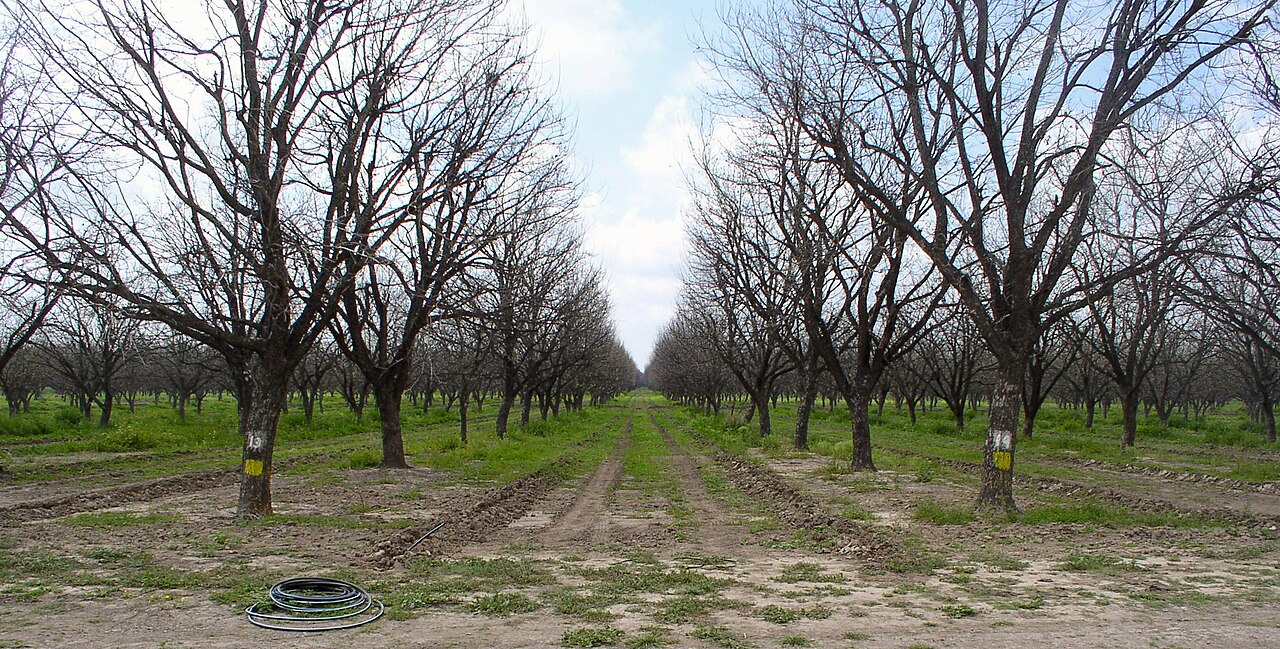
In intensive hazelnut cultivation, irrigation is fundamental because hazelnut has a shallow root system and cannot effectively utilize moisture from deeper soil layers. However, water quantity is not the only story; its quality is equally important. The water we apply through drip irrigation is not "pure water": it carries dissolved salts, sodium and chloride ions, iron, manganese, carbonates, suspended particles, and microorganisms. These components alter the soil over time, stress the plant, and clog emitters. Poor or borderline water quality can reduce yield and damage both the plant and the soil, so water assessment should be conducted before establishing the orchard and repeated during its operation. This article explains which parameters to measure, where the acceptable limits are, how salinity affects hazelnut soil and plants, and how to prevent emitter clogging.
Why water quality is critical specifically for hazelnut
Hazelnut is sensitive to extremes in water regime. Moisture deficit in June results in small nuts and low kernel recovery (ratio of shell to kernel), while excess water in the soil hinders oxygen flow to the roots, causing root asphyxiation (suffocation) and decay. The root system is highly sensitive to poor aeration — hazelnut does not thrive on soils with a groundwater level above 80 cm.
Irrigation introduces salts into this already sensitive system. Modern orchards are irrigated almost exclusively with drip irrigation, which moistens only a small zone around the plant and within the row. This is a major advantage (water and energy savings, higher yields, better fruit quality, automation), but it has a hidden consequence: salts from the water concentrate precisely in this small, constantly moistened zone around the roots. Without sufficient leaching (by rainfall or deliberate excess water), salts accumulate there year after year — even when the water is of relatively low salinity.
Key parameters of chemical water quality
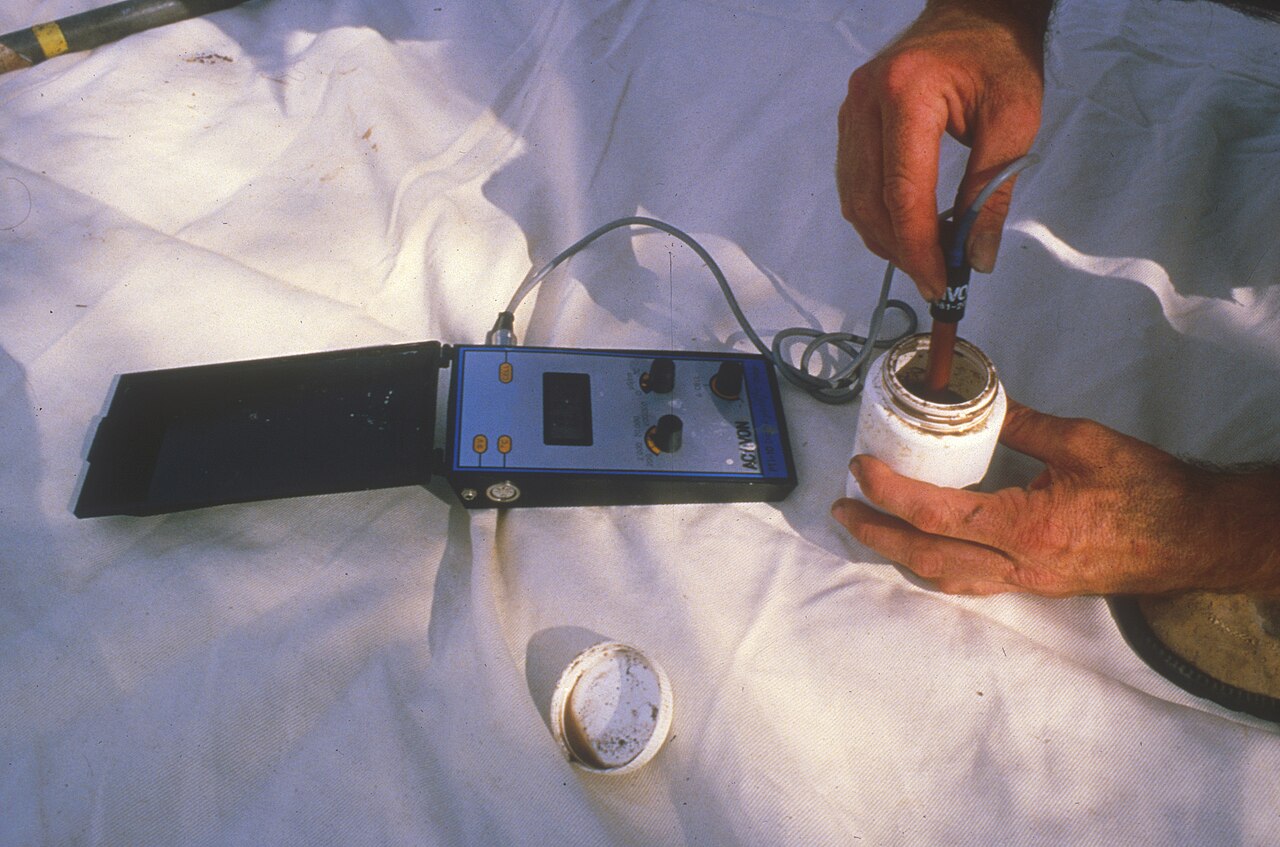
Water analysis for irrigation should always be entrusted to an authorized laboratory. The most important quality characteristics, according to hazelnut cultivation manuals and irrigation standards, are summarized in the table.
| Parameter | What it measures | Generally acceptable for hazelnut | Note |
|---|---|---|---|
| EC (electrical conductivity) | total water salinity | < 0.8 dS/m on well-drained soil | as EC increases, so does the risk to plant and soil |
| pH | acidity/alkalinity | 6.0 – 8.5 | highly alkaline water hinders Ca and Mg uptake |
| Sodium / SAR | ratio of sodium to Ca and Mg | SAR < 3 without issues | SAR 3–9 increasing problem, > 9 serious |
| Chlorides (Cl⁻) | toxic ion | < 140 mg/L (140 ppm) | above this, risk of leaf damage increases |
| Bicarbonates / alkalinity | tendency to precipitate lime | up to ~150 mg/L | high levels precipitate limestone |
| Calcium Carbonate Saturation Index (LSI) | tendency to precipitate/corrode | between −0.5 and +0.5 | outside this range, it precipitates or corrodes |
| Iron (Fe) and Manganese (Mn) | precipitation and biofilm | Fe and Mn < 0.1 ppm preferred | above this, risk of clogging |
Values are informative and depend on the cultivar, soil type, drainage, and climate; the water analysis and interpretation by an advisory service are decisive. Orientational classification of water by salinity (based on EC): low salinity 0.10–0.25 dS/m, medium 0.25–0.75 dS/m, high 0.75–2.25 dS/m (use only on well-drained soil and for salt-tolerant crops). Hazelnut is not classified as a salt-tolerant crop, so a more conservative approach is needed for it than for average field crops.
EC — Electrical Conductivity (Salinity)
EC is the most important single indicator. If the water EC is < 0.8 dS/m, the water is generally suitable for irrigating hazelnut on well-drained soil. In hazelnut salinity tolerance trials, plants were irrigated with fresh water at EC 0.8 dS/m as a control, and stress was induced by adding NaCl. The higher the water EC, the more salts we introduce into the root zone with each liter.
pH and Alkalinity
Water with pH 6.0–8.5 is usually suitable. Highly alkaline water can reduce calcium and magnesium uptake; alkalinity levels up to ~150 mg/L are considered acceptable. High pH combined with high bicarbonates promotes limestone (CaCO₃) precipitation within pipes and emitters.
SAR — Sodium Adsorption Ratio
SAR indicates how much sodium is present relative to calcium and magnesium. Interpretation:
- SAR < 3 — generally no problems with sodium or soil permeability.
- SAR 3–9 — increasing infiltration problems.
- SAR > 9 — serious problems are expected (soil structure degradation).
Additional rule: if SAR is greater than five times the water EC, infiltration problems due to sodium imbalance relative to calcium and magnesium are likely.
Chlorides and Specific Ion Toxicity
Chlorides are generally considered acceptable below 140 mg/L (140 ppm). High concentrations of sodium and chlorides trigger harmful biochemical reactions; excess of these ions disrupts nutrient uptake and causes physiological drought by lowering the osmotic potential of the soil solution. In the most severe cases, sodium and chloride toxicity can lead to plant decline.
Salinity: How it affects soil and plant
Salinity is an abiotic stress that, along with drought, cold, and heat, reduces the plant's ability to convert energy into biomass and yield. It is estimated that almost 10% of the world's total land area and at least 20% of irrigated areas are affected by salinity, and the share continues to rise due to climate change, deforestation, and excessive irrigation.
Effect on hazelnut plants
In hazelnut (genus Corylus), excess salt acts in several ways:
- Osmotic stress ("physiological drought"). High salt concentration in the soil lowers the osmotic potential of the solution, making it harder for the plant to extract water even though the soil is moist — an effect similar to drought.
- Ion imbalance and toxicity. High concentrations of Na⁺ and Cl⁻ disrupt ion balance, hinder nutrient uptake, and trigger harmful biochemical reactions; research on hybrid hazelnut (Ping'ou) shows that roots actively regulate ion transport to maintain K⁺/Na⁺ balance.
- Reduced photosynthesis. Salt stress alters all aspects of photosynthesis and the overall condition of the plant.
- In extreme cases — decline. At very high concentrations (e.g., in trials up to 75 mM NaCl), plant damage and death are possible.
Tolerance trials are conducted by exposing genotypes to a range of salt levels (e.g., 0, 25, 50, and 75 mM NaCl): levels of 25 and 50 mM NaCl correspond to the typical range when irrigating with brackish (salty) water, while 75 mM represents an extreme ("worst-case scenario" under climate change). Research on salt tolerance within the genus Corylus is still limited compared to other fruit species, so if there is suspicion of salty water, extra caution is needed and reliance on local testing is recommended.
Effect on soil
Over time, salts accumulate in the soil because the plant extracts water, leaving salts in the root zone. Without sufficient leaching (lixiviation) by rain or excess water, accumulated salts reach levels that harm the crop — even when irrigation water is of low salinity. A high sodium content (high SAR) destroys soil structure, reduces permeability and infiltration, making it harder for water to enter and be leached away — creating a vicious cycle of salinization and compaction.
Strategies for maintaining quality and combating salinity
Maintaining water quality and controlling salts rely on several proven procedures:
- Leaching of the root zone. Periodic application of excess water (e.g., water with EC < 2 dS/m) leaches salts below the root zone. For leaching to be successful, the soil must be well-drained enough for water to easily infiltrate and percolate through the profile; sometimes drainage and deep tillage are necessary to break up impermeable layers (plow pan).
- Gypsum (CaSO₄). Improves soil structure and aids salt leaching by displacing sodium with calcium (especially in high SAR / sodic soils).
- Dilution. Mixing high-salinity water with lower-salinity water or occasionally using higher-quality water to "flush" the profile.
- Filtration and treatment. Filtration systems reduce the amount of salts and particles reaching the plant; for heavy metals and pollutants, filtration and chemical improvements are used.
- Careful selection of water sources. Surface waters (rivers, lakes) are more prone to pollution than groundwater; flowing water rich in oxygen is more favorable than stagnant water. The source should be protected from pollution (waste management, runoff control).
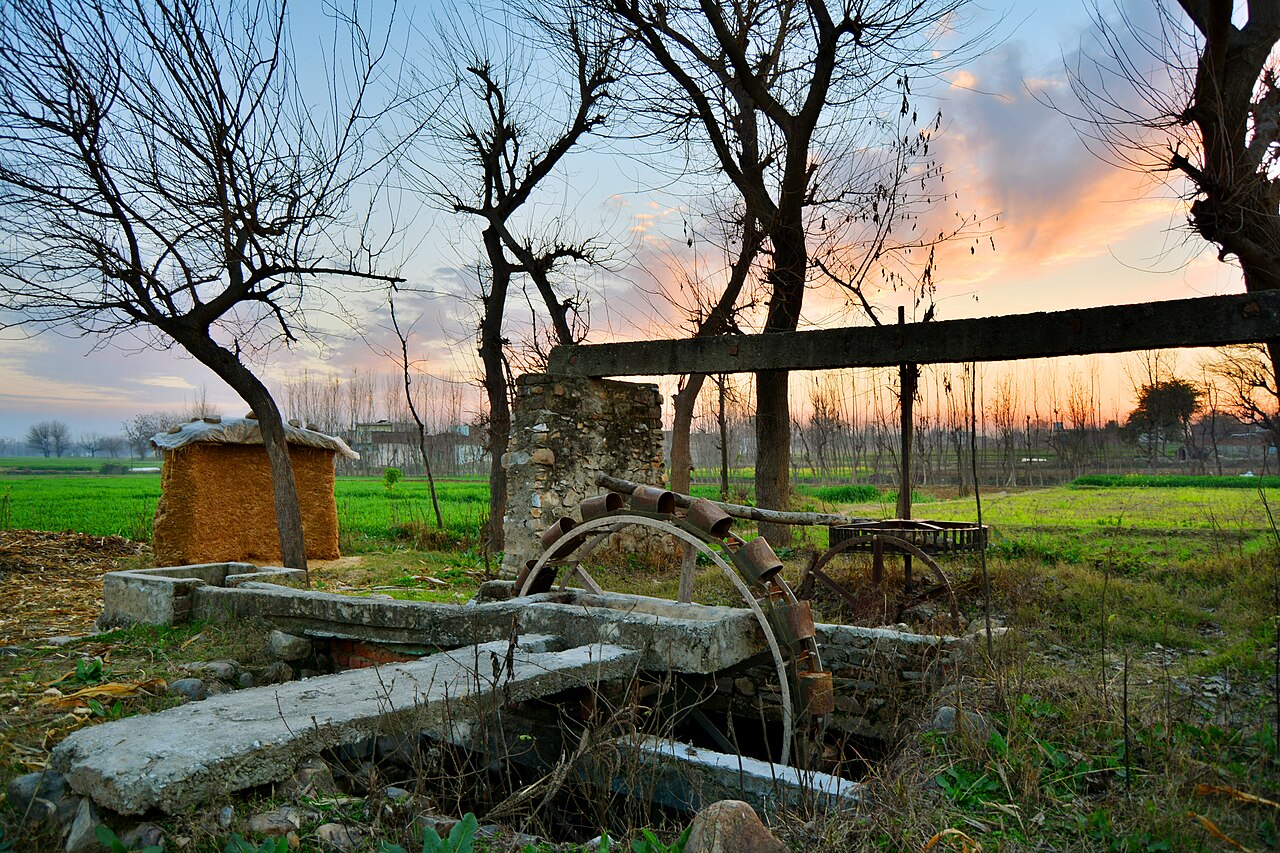
In Croatian environmental impact assessments, water for hazelnut irrigation is most often pumped from a well (groundwater) or from a reservoir filled with precipitation and supplemented with groundwater. Orientational annual consumption ranges, for example, from ~3,880 m³/year at one orchard to ~5,000 m³/year at another, or on the order of ~600 m³/ha; irrigation is planned from April to August/September. These figures are informative and depend on location, soil, and year.
Drip Emitter Clogging: Causes and Prevention
In localized irrigation, the drip emitter is the "bottleneck": it doses water with high precision, but is also prone to clogging. Poor water quality is the primary culprit, and clogging is insidious because it often goes unnoticed until a portion of the orchard is already suffering from drought. There are three groups of causes — physical, chemical, and biological.
Clogging Risk Table Based on Water Quality
Approximate risk thresholds (according to micro-irrigation manuals):
| Parameter | Low Risk | Moderate Risk | High Risk |
|---|---|---|---|
| Suspended (filterable) particles | < 50 ppm | 50 – 100 ppm | > 100 ppm |
| pH | < 7.0 | 7.0 – 7.5 | > 7.5 |
| Total Dissolved Solids (TDS) | < 500 ppm | 500 – 2000 ppm | > 2000 ppm |
| Manganese (Mn) | < 0.1 ppm | 0.1 – 1.5 ppm | > 1.5 ppm |
| Iron (Fe) | < 0.1 ppm | 0.1 – 1.5 ppm | > 1.5 ppm |
| Hydrogen Sulfide (H₂S) | < 0.5 ppm | 0.5 – 2.0 ppm | > 2.0 ppm |
| Hardness (CaCO₃) | < 150 ppm | 150 – 300 ppm | > 300 ppm |
| Bacteria | < 10,000 CFU/mL | 10,000 – 50,000 CFU/mL | > 50,000 CFU/mL |
These figures are indicative and serve for risk assessment; always align specific thresholds and procedures with water analysis, equipment manufacturer instructions, and advisory services.
Physical Clogging (Particles)
Sand, silt, clay, and algae mechanically block filters and emitters. Algae can cause clogging in filters and emitters. Defense measures:
- Filtration appropriate to the water source (sand, mesh, or disc filters); for water with high organic content and algae, sand filters are most common.
- Flushing laterals with fresh water — one of the most effective procedures; by opening the ends of the pipes, accumulated silt is periodically flushed out.
- Appropriate emitter size and class (larger openings / self-cleaning pressure-compensating emitters for problematic water).
Chemical Clogging (Precipitation)
Carbonates (limestone), iron, and manganese precipitate within the system — especially at high pH and hardness. Defense measures:
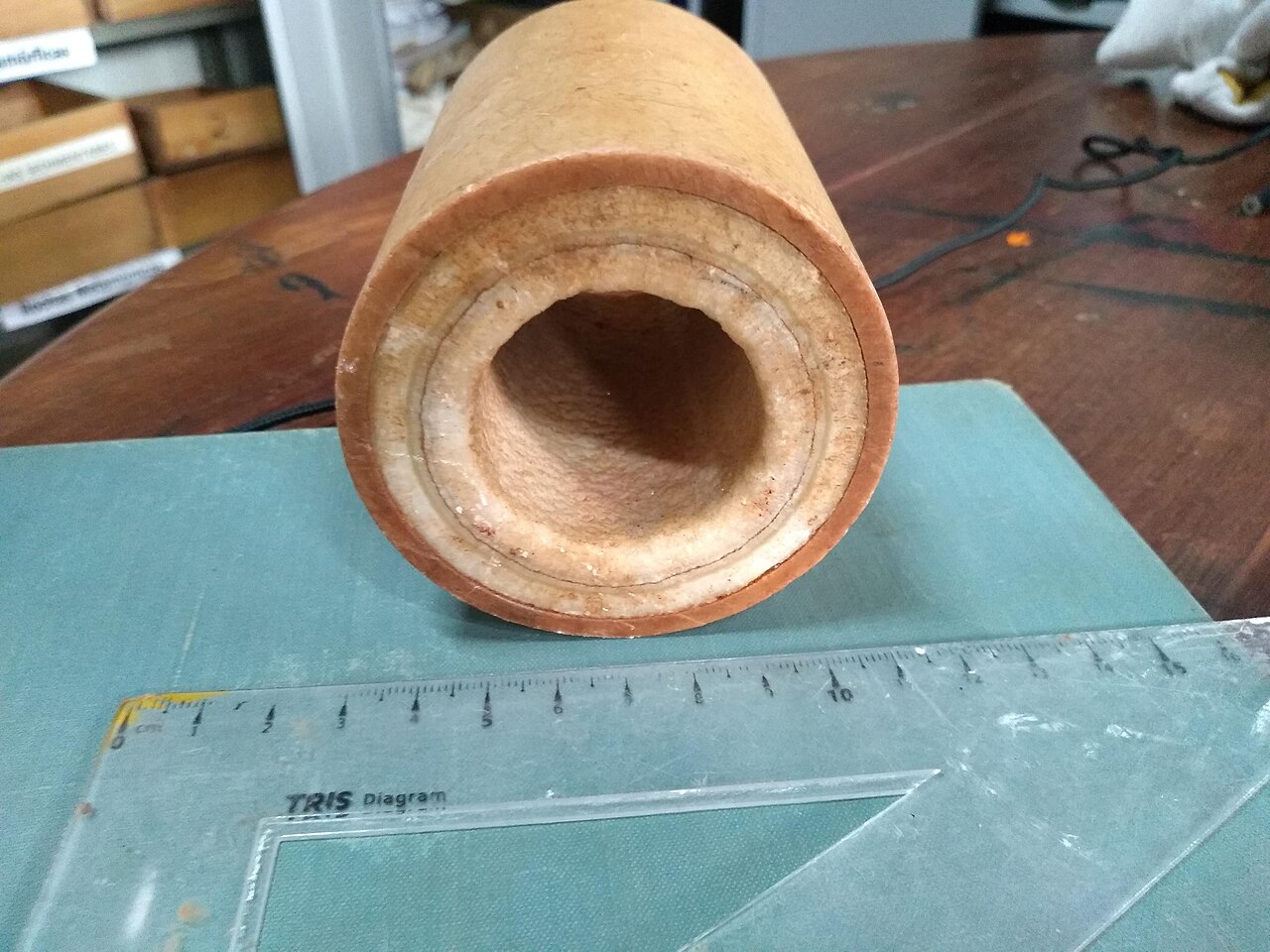
- Acid injection (e.g., sulfuric, hydrochloric, or phosphoric acid) lowers pH, dissolves limestone deposits and mineral precipitates, and creates an environment unfavorable for microbes. Working with acids requires protective equipment and compliance with regulations.
- Chemical analysis of Fe/Mn before planting; if iron levels are elevated, aeration/oxidation and precipitation can occur before the water enters the system.
Biological Clogging (Slime and Biofilm)
Bacteria and their slime (biofilm), along with iron and sulfur bacteria, create sticky deposits. Higher levels of dissolved salts increase the risk of clogging. Defense measures:
- Chlorination — the most common method against bacterial slime; if the source is not chlorinated, it is good practice to equip the system with a chlorine injection unit to suppress microbial growth. Chlorination should be carried out in a controlled manner, as excessive doses can affect the soil and the plant.
- Regular flushing of laterals and fertigation as part of routine maintenance.
Practical Rule: Prevention is cheaper than remediation. Filtration + regular pipe flushing + periodic chlorination/acidification as needed will keep the system running for years; completely clogged emitters usually cannot be cleaned and must be replaced.
Practical Recommendations and Common Mistakes
Recommendations
- Conduct a water analysis before planting and repeat it periodically (especially if the source changes or after dry years when the proportion of groundwater increases).
- Monitor at least EC, pH, SAR, chlorides, Fe/Mn, and hardness.
- For borderline saline water, plan for drainage and leaching of the root zone, and consider gypsum application in cases of high SAR.
- Install filtration appropriate to the source and plan locations for acid/chlorine injection.
- Implement a maintenance schedule: regular pipe flushing, filter checks, and periodic system treatment.
- If saline water is suspected, select more tolerant genotypes and rely on local trials, as research on Corylus salt tolerance is still limited.
Common Mistakes
- Assuming that "clear" water is chemically sound — clear water can have high EC, SAR, or Fe/Mn.
- Irrigating without flushing: even low-salinity water accumulates salts in the narrow wetted zone of a drip system over years.
- Neglecting filters and pipe flushing until emitters clog.
- Overdosing chlorine or acid without control — this can damage the soil, plants, and equipment.
- Ignoring drainage: without proper drainage, salt leaching does not work, and hazelnuts also suffer from root asphyxiation.
Sources
This article is an AI summary generated from an internal literature collection on hazelnuts (RAG corpus) and public sources. Main sources used:
- The Basics of Watering Hazelnut Trees (2003) — water quality maintenance strategies, salt leaching, gypsum (RAG corpus).
- Hazelnut growers' handbook — water quality thresholds (EC < 0.8 dS/m, pH 6–8.5, chlorides < 140 mg/L, LSI ±0.5), NSW DPIRD (RAG corpus).
- Agronomy 2025, 15, 148 — hazelnut salinity tolerance, NaCl treatments — https://doi.org/10.3390/agronomy15010148
- Luo et al. (2023), Salt Stress Induced Ion Transport… Ping'ou Hybrid Hazel, Forests 14, 1651 — https://doi.org/10.3390/f14081651
- Testing and Interpreting Salt-Affected Water for Tree and Shrub Plantings (2007) — saline water management, leaching (RAG corpus).
- La tolerancia del cultivo a la sal (2018) — soil salt accumulation, leaching (RAG corpus).
- VODIČ ZA uzgoj lijeske, Ministarstvo poljoprivrede / savjetodavna (2024) — general growing conditions (RAG corpus).
- Elaborati zaštite okoliša za nasade lijeske (Vojnić, Donji Hrastovac/Sunja, Grubišno Polje, Dragodinac) — drip irrigation systems, water consumption, water bodies (RAG corpus).
- Utjecaj vodnog režima na plod i korijen lijeske (2021) — drought, root asphyxiation (RAG corpus).
- FAO — Water quality for agriculture / Water quality assessment — https://www.fao.org/4/t0234e/t0234e01.htm and https://www.fao.org/4/t0667e/t0667e09.htm
- NC State Extension — Irrigation Water Quality Problems — https://content.ces.ncsu.edu/irrigation-water-quality-problems
- UF/IFAS — Causes and Prevention of Emitter Plugging in Microirrigation Systems (clogging risk table) — https://ask.ifas.ufl.edu/publication/AE032
- Rutgers NJAES — Treating Drip Irrigation Systems with Chlorine — https://njaes.rutgers.edu/FS795/
- Prevention and treatment of drip emitter clogging: a review, IWA — https://iwaponline.com/wpt/article/17/10/2059/91275/
Recommended equipment
🔎 drip irrigation kit — Amazon →Affiliate links — we may earn a small commission at no extra cost to you.
Drip Irrigation Kit
Suitable for small to medium orchards or gardens.
| Use Case | Option Type | What to Check Before Purchase |
|---|---|---|
| Small plots | Basic drip lines | Emitter spacing and flow rate |
| Medium orchards | Complete kit with filters | Pressure regulation and filtration quality |
| Large scale systems | Professional installation | Hydraulic calculation and zoning |