Genetic resources and germplasm diversity of hazelnut
Content generated by artificial intelligence — verify before application
This article was automatically compiled from a collection of hazelnut literature using artificial intelligence and may contain errors or outdated data. It serves as a starting point for further research, not as professional advice. Dosages, products, and timing are informative and depend on the cultivar, location, and applicable regulations — always consult with advisory services and official sources before application.
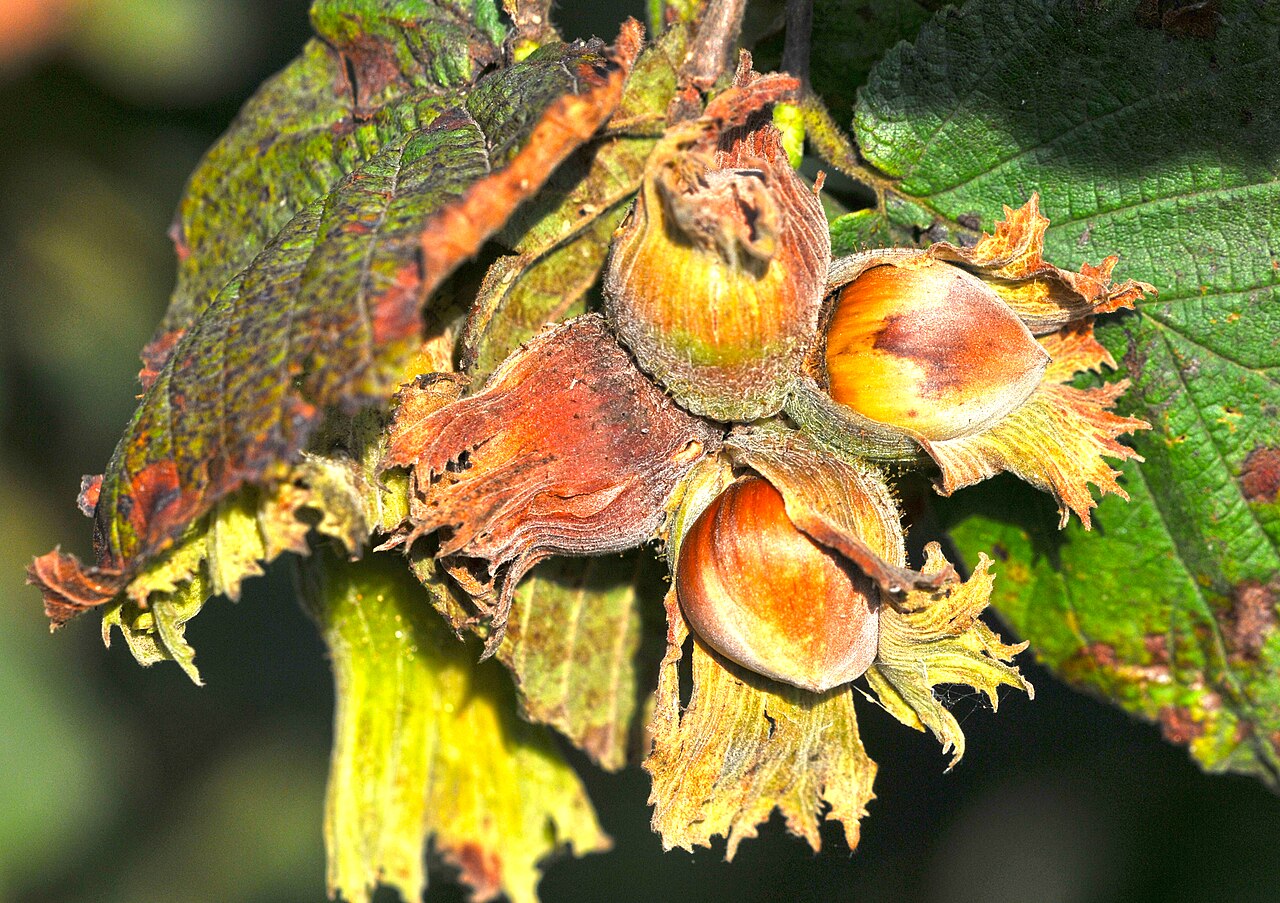
Hazelnut genetic resources — from wild populations of European hazel (Corylus avellana L.) to centuries-old indigenous cultivars and related species of the genus Corylus — are the foundation of any serious breeding program and a guarantee of long-term hazelnut production resilience. This diversity is not merely an academic topic: it is a "reservoir" of genes for disease resistance (particularly the Eastern American fungal disease Anisogramma anomala), adaptability to drought and frost, kernel quality, and yield. The aim of this article is to explain how germplasm is collected, conserved, and characterized, what we know about the genetic diversity of the genus Corylus, and why preserving original Croatian cultivars — such as the Istrian Long — is of strategic importance for our growers.
What is germplasm and why is it important
Germplasm is the living hereditary material of a species — a collection of accessions gathered from a specific area, stored in the form of plants, seeds, or tissues. Germplasm is stored in gene banks, which provide accessions with desirable traits to breeders upon request. In this way, gene banks directly enable the use of genetic diversity in creating new cultivars.
Genetic diversity is an "irreplaceable tool" for breeders: without it, there is no introduction of new, desirable genes (disease resistance, nut size, kernel percentage) into the existing genetic base. In the genus Corylus, this potential is extremely high — genetic diversity remains high, and due to the strong potential for interspecific hybridization, wild species can contribute important traits for the development of more adaptable cultivars. It is precisely for this reason that literature repeatedly warns that wild genetic resources of hazelnut are underutilized and poorly represented in research, conservation programs, and long-term breeding.
Genetic erosion — a silent threat
The expansion of settlements and agriculture into forest areas threatens many wild hazel trees, which represent valuable genetic resources. Concurrently, the replacement of local cultivars with a few commercial "world" cultivars leads to genetic erosion — the loss of unique local genotypes. Croatian sources explicitly highlight this: by encouraging local farmers to grow indigenous hazelnut cultivars, the local cultivar collection is preserved from genetic erosion, and raw material with specific organoleptic properties is obtained.
Genus Corylus: diversity at the species level
The genus Corylus includes several species, of which the following are most important for production and breeding:
| Species | Role / Significance | Note |
|---|---|---|
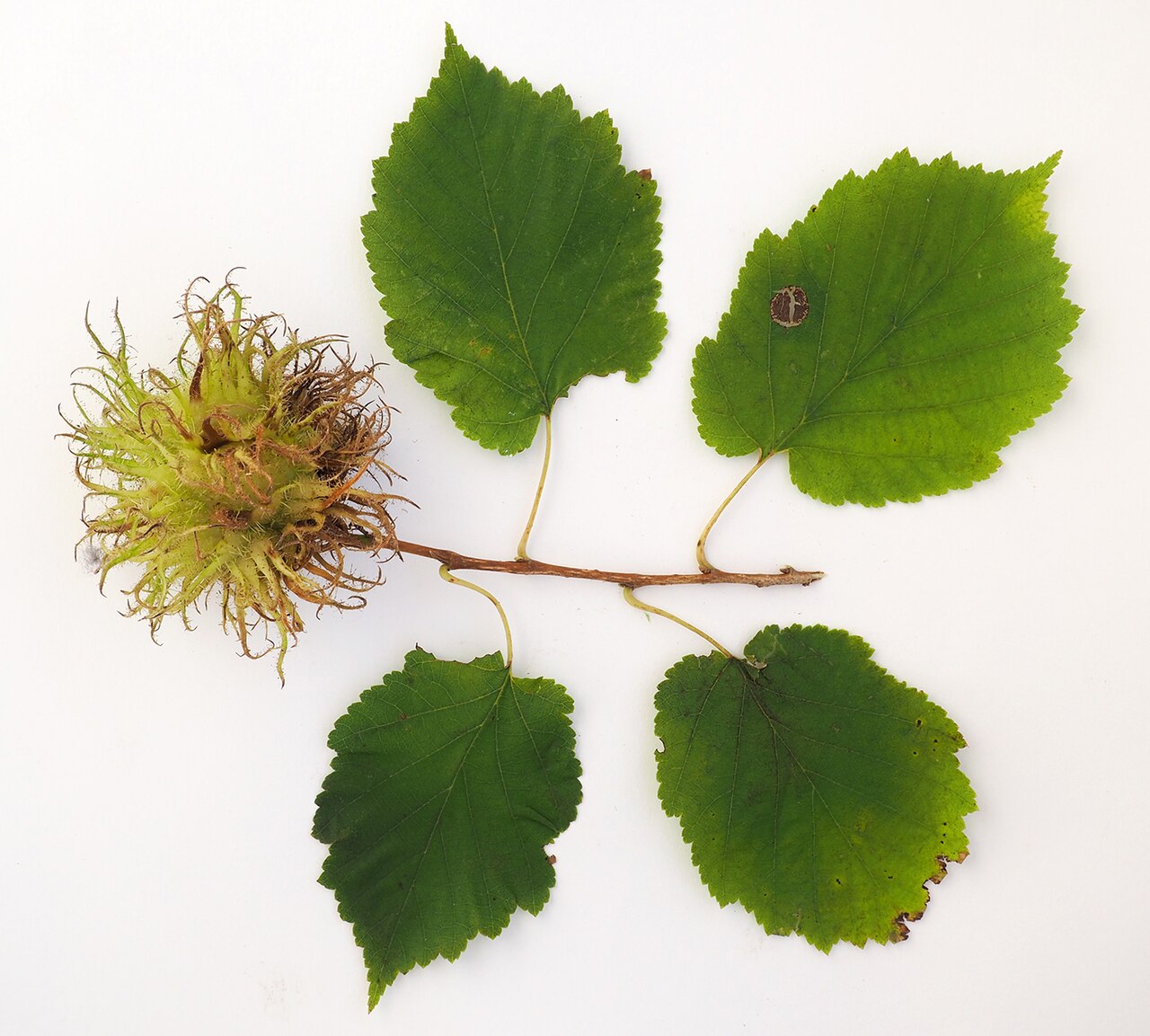
| Corylus avellana L. (European hazel) | Main commercial species | Source of almost all cultivated cultivars |
| Corylus colurna L. (Pistachio tree / Turkish hazel) | Rootstock for grafting (tree form) | Produces fewer root suckers |
| Corylus americana (American hazel) | Source of resistance to Anisogramma anomala (EFB) | Subject of increasingly intensive breeding |
| Corylus chinensis | Endangered species, subject to in situ conservation | Emphasis on habitat preservation |
| Corylus maxima and others | Contributes to trait diversity | Crosses and ornamental forms |
Although C. colurna is interesting as a generative rootstock (grafting reduces the number of root suckers), Croatian sources warn that it does not suit heavy soils prevalent in our continental region, so hazelnuts in Croatia are still predominantly grown on their own roots.
Germplasm collections in the world and Europe
Conservation is carried out through two complementary approaches:
- Ex situ — accessions are stored outside their natural habitat: in field collections (field gene banks), seed banks, tissue culture (in vitro), and cryopreservation. This increases security against adverse environmental influences and allows for systematic research.
- In situ — populations are preserved in their natural environment, in protected habitats where they can regenerate naturally. For endangered species (e.g., C. chinensis), this is the recommended primary measure, and natural habitats also serve as "natural laboratories" for finding and selecting valuable genotypes.
At the European level, coordination for forest genetic resources of European hazel takes place through the EUFORGEN program, whose core network focuses on covering the existing genetic diversity of the species across Europe to preserve its adaptive potential.
Sizes of representative collections (from literature)
| Collection / Study | Number of accessions / samples | Markers | Result |
|---|---|---|---|
| Turkish National Hazelnut Collection | 402 genotypes | 30 SSR | 407 polymorphic fragments; 78 kernel-type accessions identified |
| Corylus L. (Chinese study, PLOS ONE 2024) | 331 germplasm | 16 SSR (11 selected) | 127 kernel-type accessions; avg. 14.5 alleles/locus, PIC 0.777 |
| European germplasm | 480 accessions (430 ex situ + 50 local cultivars) | 10 SSR | 181 genotypes identified |
| Slovenian germplasm | 54 accessions / 48 cultivars | 49 SSR + 11 AFLP comb. | Association mapping of nut and kernel traits |
| C. americana (USA) | — | — | 82.6 % of loci with MAF >10 %; He 0.276 |
The figures are informative and taken from individual studies; they depend on methodology, number of markers, and sample composition.
Core collections
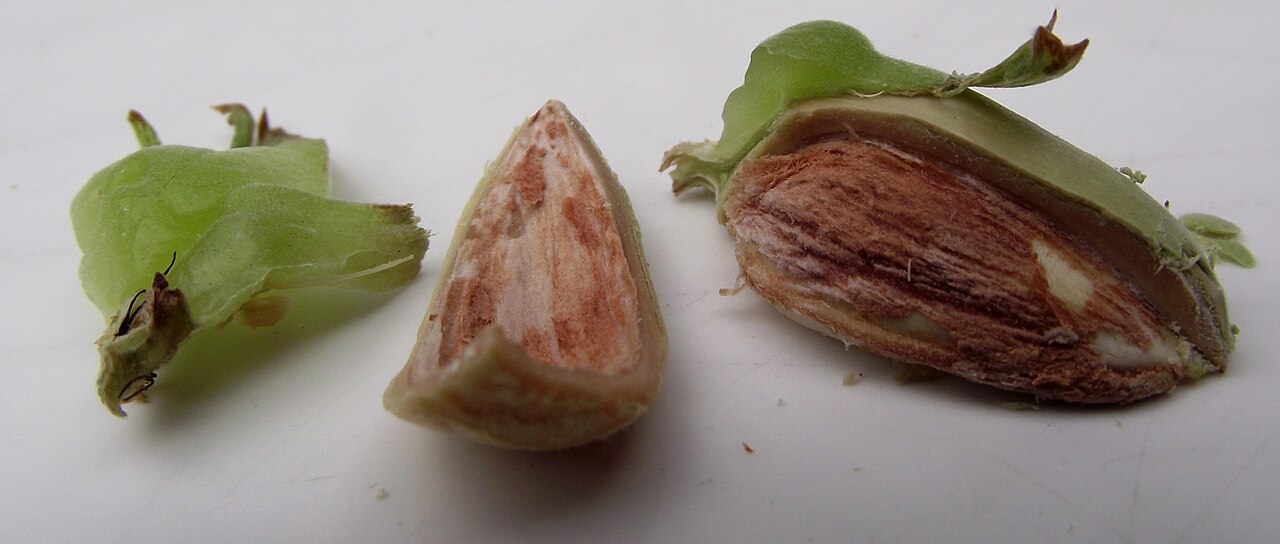
A characteristic problem of large collections is that they are too cumbersome for routine use. The solution is core collections — a carefully selected, manageable small subset of accessions that retains the largest possible portion of the genetic diversity of the whole. They offer breeders the opportunity to work with a reasonable number of accessions evaluated for economically important traits.
Indicators of core collection success (example from Corylus L. study):
- sampling proportion: ~38 % of the original collection,
- retention of allele number: 100 %,
- retention of minor allele frequency (MAF): 94.7 %,
- Shannon information index: very consistent between the core and original collections.
In other words, a well-designed core collection with just about one-third of the accessions can preserve almost all diversity — which drastically reduces conservation and characterization costs.
Germplasm characterization
Characterization is the description and classification of accessions based on traits. It is carried out at several levels of markers — molecular, morphological, cytological, and biochemical.
Morphological characterization
Includes traits of nuts and kernels, phenology (flowering time), vigor, and habitus.
SSR (microsatellites) are most commonly used, followed by ISSR and AFLP markers. They enable:
- creation of genetic "fingerprints" (DNA profiles) and databases for unambiguous identification of accessions,
- discovery of synonyms and homonyms (same genotype under multiple names and vice versa) and confirmation of "true-to-type" identity of planting material,
- mapping of useful alleles, e.g., for EFB resistance, and development of marker-assisted selection (MAS) markers.
Typical diversity parameters reported by studies include the number of alleles per locus, number of effective alleles, observed (Ho) and expected (He) heterozygosity, inbreeding coefficient (FIS), and genetic differentiation (FST). Modern advances — reference genomes for Corylus, genomic selection, high-throughput phenotyping, and genome editing — make diverse collections even more valuable resources for researching disease resistance and other traits.
Croatian and regional indigenous cultivars
For Croatian growers, indigenous and regionally naturalized cultivars are of special significance:
| Cultivar | Status / Origin | Note |
|---|---|---|
| Istrian Long | Indigenous Croatian cultivar | Moderate vigor, regular and abundant cropping, early bearing; along with Roman Round, the most represented in national seedling production |
| Roman Round | Naturalized, widespread | Standard cultivar assortment of Croatia |
In the context of preserving indigenous genetic resources, it is important to distinguish between local (historical) cultivars and newer, imported assortments. Croatian sources note that newer American selected assortments (e.g., ʻSantiamʼ — carrier of the Anisogramma anomala resistance gene, with mold appearance around 5 %) are not on the Croatian cultivar list nor formally tested under domestic conditions, so the introduction of such cultivars should be based on local testing, not merely copying foreign recommendations.
Practical recommendations for growers
- Preserve old trees. Individual old trees of indigenous cultivars and wild hazel in hedges and field edges may carry unique genes; before clearing, consider recording them or taking cuttings.
- Procure declared, "true-to-type" planting material from registered nurseries — molecular identity verification prevents cultivar mixing and mislabeling.
- Diversify the cultivar assortment. Relying on only one or two cultivars increases risk (diseases, frost, market). Combine main cultivars with suitable pollinizers and, where possible, with indigenous cultivars.
- Collaborate with research institutions and gene banks. Registering local genotypes in collections contributes to their long-term preservation and may open access to breeding material.
- Monitor the cultivar list and regulations. Introduce new (especially imported) cultivars in accordance with the national cultivar list and advisory services.
Common mistakes
- Assuming that a "foreign, newer cultivar" is automatically better — without local adaptation testing.
- Neglecting genetic erosion: clearing old orchards without any conservation of genetic material.
- Relying solely on the cultivar name instead of confirmed identity (synonyms and nursery errors are common).
Istrian cultivars as a local population
The uniqueness of Croatia’s autochthonous genetic resources lies not only in cultivar names but in their genetic structure. Historically, two autochthonous cultivars were present in Istria—our main and traditional cultivation area: Istarski duguljasti (Istrian elongated) and Istarski okruglasti (Istrian round). In addition to these, orchards contained multiple types from the population that ensured pollination and fertilization. This means that “Istarski duguljasti” is not necessarily a single clone: some authors explicitly consider it a population rather than a cultivar in the strict sense. This intra-cultivar diversity explains seemingly contradictory data in the literature—the cultivar is described in some studies as autofertile (likely due to the presence of many types that cross-pollinate each other), while in others it is described as autosterile, requiring pollinizers (Halski div, Rimski, Lambert, Gunsleben, Cosford, Apolda, Barcelona, and others).
From a germplasm conservation perspective, this distinction is crucial. If it is a population, then every old Istrian orchard carries its own unique set of genotypes—a “mini gene bank” that cannot be preserved by purchasing certified planting material of a single declared cultivar. The processes threatening genetic erosion here are specific to Istria: the abandonment of traditional orchards in the western part of the peninsula, the spread of the cultivar “almost throughout the country” outside its original environment, and the expansion of the cultivar collection with the introduction of foreign cultivars in the 1980s (e.g., new intensive hazelnut plantings at the Garbinovica site, part of Agrolaguna near Poreč). Each of these steps narrows the original population diversity.
Different approaches are appropriate for preserving Istrian population types compared to imported clonal cultivars:
| Approach | What is preserved | Note |
|---|---|---|
| Clonal selection within the population | Best individual types (fertility, kernel percentage, nut size) | Procedure applied to other Mediterranean populations (e.g., Tonda di Giffoni clones) |
| Documentation of old Istrian orchards | Complete population diversity in situ | Old orchards as sources of cuttings and reference genotypes |
| Molecular characterization (SSR) | Confirmation of identity and mapping of synonyms | “Istarski krupni” and “Istarski debeloplodni” are cited as synonyms for Istarski duguljasti |
Distinguishing between a clonal cultivar and a local population is therefore not a terminological nuance: it determines whether the autochthonous Istrian gene pool will be preserved in its full diversity or reduced to a single commercial type. (For morphological and economic characteristics of specific cultivars, see the table above “Croatian and regional autochthonous cultivars” and the related articles on cultivar selection and clonal selection.)
Gallery
Sources
This article is an AI-generated summary compiled from an internal literature collection on hazelnut (RAG corpus) and public sources. The content is synthesized from multiple scientific and professional papers; verify figures and claims in the original sources before application. Main sources used:
- Yang W. et al. (2024). Utilizing SSR-based core collection development to improve conservation and utilization of Corylus L. genetic resources. PLOS ONE 19(10): e0312116 — https://doi.org/10.1371/journal.pone.0312116
- Molecular genetic diversity of the Turkish national hazelnut collection and selection of a core set (2017) — RAG corpus (PDF)
- A multidisciplinary approach to enhance the conservation and use of hazelnut (Corylus avellana L.) genetic resources (2015) — RAG corpus
- Molnar, T. J. Corylus (chapter, 2011) — genetic resources and breeding potential of the genus — https://link.springer.com/ (Wild Crop Relatives)
- Towards the exploitation of the American hazelnut (Corylus americana) (2019) — germplasm diversity parameters
- Assessment of genetic diversity revealed by morphological traits and ISSR markers in hazelnut germplasm (Corylus avellana L.) from Eastern Black Sea Region, Turkey (2023) — RAG corpus
- Molecular genetic diversity and association mapping of nut and kernel traits in Slovenian hazelnut germplasm (2017) — RAG corpus
- EUFORGEN — Corylus avellana — https://www.euforgen.org/species/corylus-avellana
- Genetic Diversity of the Only Natural Population of Corylus avellana L. in Kazakhstan and Prospects for Its In Vitro Conservation (2024) — https://www.ncbi.nlm.nih.gov/pmc/articles/PMC12650229/
- Hazelnut SSR database (Dryad) — genetic profile access, synonyms, true-to-type genotypes — https://datadryad.org/dataset/doi:10.5061/dryad.cz8w9gj45
- Vujević, P. (2009). Cultivar selection and training systems for hazelnut. Poljoprivredni glasnik 5/2009 — https://cdn.agroklub.com/upload/documents/sorte-i-uzgojni-oblici-lijeske.pdf
- Business plan for hazelnut nursery production (2019) — Istarski duguljasti and Rimski okrugli — https://www.poljinos.hr/wp-content/uploads/2022/05/PP-za-proizvodnju-sadnica-lijeske1.pdf
- Revitalization of Vrsar amaretti (2023), K. Trošt Lesić — preservation of autochthonous cultivars from genetic erosion
- New hazelnut cultivars — Gospodarski list (2026) — cultivar ‘Santiam’ and resistance to Anisogramma anomala
- Miljković, I. (1990). Growth and fertility of hazelnut cultivars on Corylus colurna rootstock and own roots in the ecological conditions of Istria. Pomologia Croatica — https://doi.org/10.33128/pc.21.3-4.2 — autochthonous Istrian cultivars (Istarski duguljasti and Istarski okruglasti) and population types
- Hazelnut cultivation (pdfcoffee) — Istarski duguljasti (syn. Istarski krupni, Istarski debeloplodni), autofertility/autosterility and pollinizers — RAG corpus
- Technological and economic characteristics of hazelnut cultivation (2018) — https://doi.org/10.46584/lm.v36i2.1141 — economic characteristics of the Istarski duguljasti cultivar
- Environmental protection elaboration — establishment of hazelnut orchard, Donji Hrastovac (Municipality of Sunja) (2021) — Istarski duguljasti as an autochthonous Istrian cultivar/population
- Evaluation of 'Tonda di Giffoni' hazelnut (Corylus avellana L.) clones (2010) — clonal selection within a local population — RAG corpus