Soil Health and Biodiversity as Long-Term Assets
Content generated by artificial intelligence — verify before application
This article was automatically compiled from a collection of hazelnut literature with the assistance of artificial intelligence and may contain errors or outdated information. It serves as a starting point for further research, not as professional advice. Dosages, products, and timing are informative and depend on the cultivar, location, and applicable regulations — always consult with advisory services and official sources before application.
In permanent hazelnut orchards, which remain in production for 30, 40, or more years, soil is not a consumable resource but a fundamental part of the farm’s capital — equally valuable as seedlings, equipment, or irrigation systems. Unlike fertilization or crop protection, whose effects are visible within a single season, investment in organic matter, microbiology, and biodiversity pays off over decades: through more stable yields, reduced dependence on external inputs, and greater resilience to drought, heatwaves, and extreme rainfall. This article explains how to identify and measure soil health in a hazelnut orchard, the role of microorganisms and organic matter, how cover crops and biodiversity build long-term yield, and what practical steps producers can take.
Why Soil Health, Not Just Fertility
In practice, "soil fertility" is often confused with "fertilization." Soil fertility encompasses numerous physical, chemical, and biological properties of the soil as a substrate for plant growth; it is the soil’s ability to provide plants with necessary nutrients in sufficient quantities and favorable ratios, along with favorable water-air and thermal conditions. Effective fertility is most easily expressed through the amount of organic matter a plant can synthesize in a given soil during the growing season.
"Soil health" is a broader and more dynamic concept. It describes soil as a living system that performs functions such as nutrient cycling, water retention and infiltration, carbon sequestration, root support, and habitat for organisms. Hazelnut (Corylus avellana) as a fruit crop can survive on soils with poorer physical and chemical properties, but in intensive production — where quantity, quality, and regularity of bearing are critical — it requires high-quality soil rich in humus and nutrients. This is precisely why the approach of "only replenishing what is lacking" yields short-term results, while the approach of "building healthy soil" ensures long-term productivity and resilience.
General agronomic framework for soil under hazelnut:
| Indicator | Favorable Range (Informative) | Note |
|---|---|---|
| pH (soil reaction) | 5.0–8.0; optimal slightly acidic to neutral | Hazelnut tolerates calcareous clays and stony soils |
| Organic matter / humus | ≥ 3% (many Croatian soils 1–5%) | Goal is growth and stabilization, not just "reaching the minimum" |
| Texture | Moderately deep, favorable structure, good permeability | Avoid compacted and clay-heavy soils |
| Water-air relations | Balanced, without prolonged waterlogging | Drainage if necessary; hazelnut does not tolerate waterlogging |
Values are informative and depend on the cultivar, location, soil type, and analysis results — always start with a laboratory soil analysis before establishing the orchard and periodically during exploitation.
Soil Health Indicators: What and How to Monitor
Soil health is measured through three groups of indicators — physical, chemical, and biological. A common mistake by producers is monitoring only chemical (NPK, pH) indicators, while physical and biological indicators signal degradation earliest.
Chemical Indicators
Classic fertility control includes: physiologically active phosphorus and potassium, total nitrogen, humus content, and active and potential soil acidity (for non-calcareous samples). This is the minimum set of data necessary for calculating fertilization.
Reference target values cited in literature for hazelnut (informative, dependent on laboratory and method):
| Parameter | Reference Value | Interpretation |
|---|---|---|
| Humus | ≥ 3% | Lower values = priority for organic fertilization and cover crops |
| P₂O₅ | ~10 mg/100 g | Lower = need for phosphorus fertilization |
| K₂O | ~15 mg/100 g | Monitor ratio with magnesium |
| Mg | ~10 mg/100 g | Important during intensive potassium fertilization |
| NPK (maintenance) | order of magnitude ~100 kg/ha | Exact dosage only based on analysis and yield |
Physical Indicators
- Structure and compaction — checked simply: a shovel of soil, assessment of crumbly structure, resistance when driving a rod or penetrometer. Organic matter significantly affects soil structure and regulates water-air relations.
- Water holding capacity — increasing organic matter enhances the soil’s ability to retain water, which is one of the most important factors for plant growth and development. This is crucial for resilience against summer droughts, which are becoming more frequent in continental Croatia.
- Infiltration — how quickly water percolates after heavy rain; slow percolation indicates compaction and erosion risk.
Biological Indicators
- Active (labile) carbon is often an early indicator of changes in total organic matter — it reacts before total humus changes.
- Soil respiration measures the metabolic activity of the microbial community via released CO₂; it reflects the abundance and activity of microorganisms.
- Soil enzymes serve as indicators of biological activity.
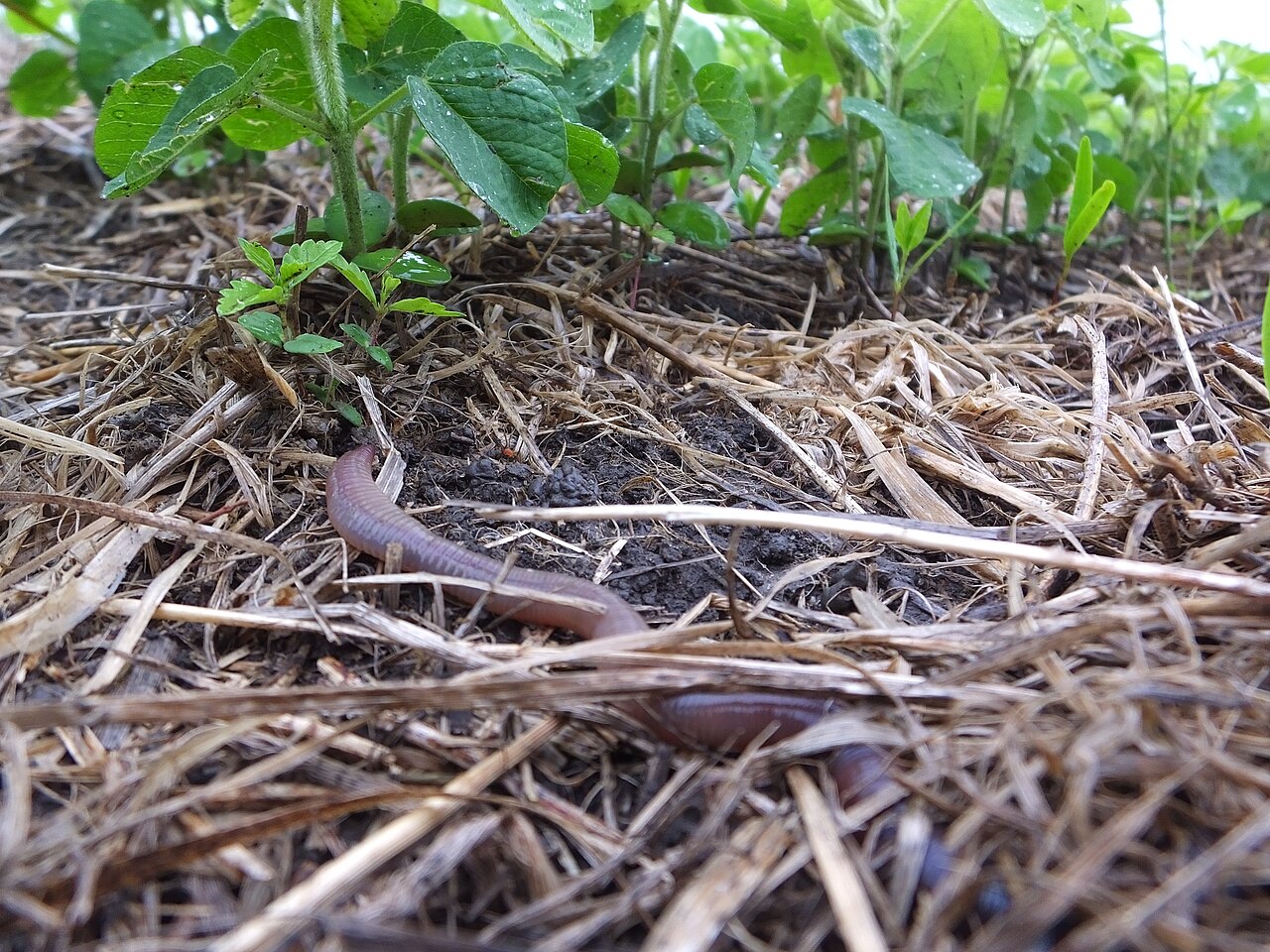
- Earthworms — the number of individuals per shovel of soil is a practical field indicator; earthworms decompose organic matter, mix it into the profile, and create macropores for water and air.
- Soil DNA "fingerprint" — newer genetic tests can determine the composition and activity of the microbial community; useful for advanced orchards and research.
Practical Minimum Monitoring
For an average family farm, it is sufficient to: (1) conduct a laboratory soil analysis every 3–4 years, (2) perform a field assessment of structure and count earthworms once a year, (3) use foliar diagnosis when suspecting nutrient deficiency/excess. Record results — trends over years are more valuable than single measurements.
Organic Matter: The Engine of Healthy Soil
Organic matter in soil consists of plant and animal residues as well as representatives of soil flora and fauna. Its share has a very large impact on the chemical, physical, and biological properties of the soil and is directly linked to productivity.
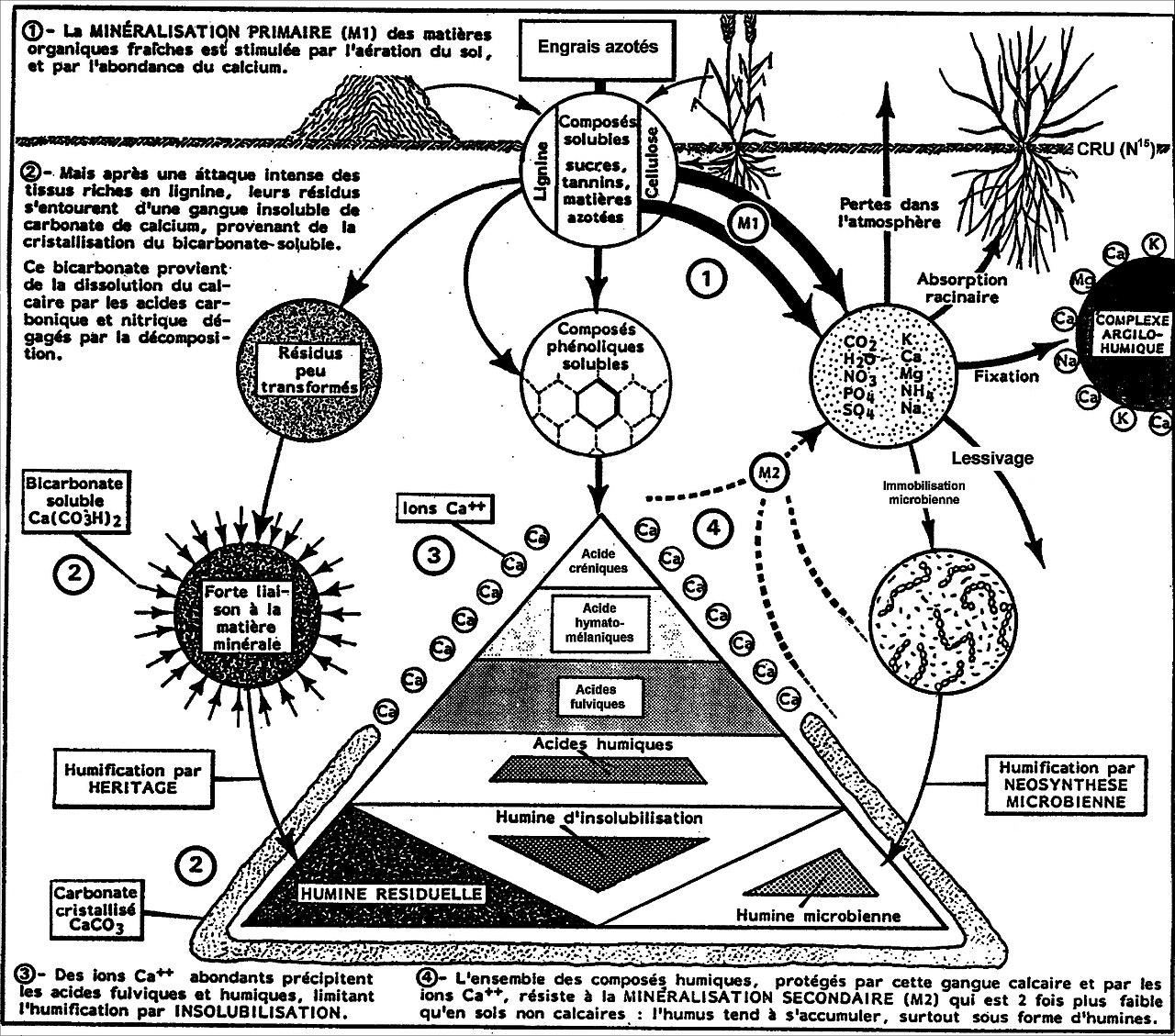
What organic matter provides to a hazelnut orchard:
- Nutrients and their reservoir — contains nitrogen (N), phosphorus (P), sulfur (S), boron (B), molybdenum (Mo); the humus core gradually mineralizes and releases nitrogen.
- Structure and water — improves structure, increases water holding capacity, regulates water-air relations.
- Food for microbiology — is the main supplier of energy and food for soil microorganisms; without it, there is no living microbial community.
- Productivity — increasing organic matter increases nutrient content and positive effects on soil productivity.
How to Increase and Maintain Organic Matter
The most practical solution for increasing the share of organic matter is the application of farmyard manure. Since the share of organic matter in most Croatian soils ranges from 1 to 5%, literature recommends an input of 20 to 40 tons of farmyard manure per hectare (informative; dosage depends on initial soil condition, manure type, and analysis results).
| Source of Organic Matter | Reference Dosage / Method | Note |
|---|---|---|
| Farmyard manure (mature) | 20–40 t/ha | Best before orchard establishment (ameliorative) and periodically |
| Compost / digestate | according to analysis and regulations | Careful with heavy metals and weed seeds |
| Hazelnut shell and pruning residue mulch | surface, in rows | Cascading use of hazelnut by-products; returns carbon to soil |
| Cover crops (green manure) | sown between rows | Constant "engine" for organic matter (see below) |
| Chopped pruned biomass | mulching on site | Do not remove pruning residue — return it to the soil |
Ameliorative (corrective) fertilization in perennial orchards is carried out before orchard establishment, and then fertility is maintained throughout the entire exploitation period. Quantities of organic and mineral fertilizers are determined based on soil fertility, i.e., according to the analysis preceding soil preparation.
Young Seedlings and Pruning
In the first 3 years after planting, low-intensity pruning is performed (only thinning out excess and water sprouts); premature and intensive pruning delays bearing. This is not directly related to soil, but it affects the balance of root and shoot growth during the period when the rhizosphere is being built.
Soil Microbiology: The Invisible Partner
Soil fertility depends, among other things, on its microbiological properties and the bioavailability of nutrients. Microorganisms — bacteria, fungi, and fauna such as earthworms — decompose organic matter, recycle nutrients, and improve soil structure.
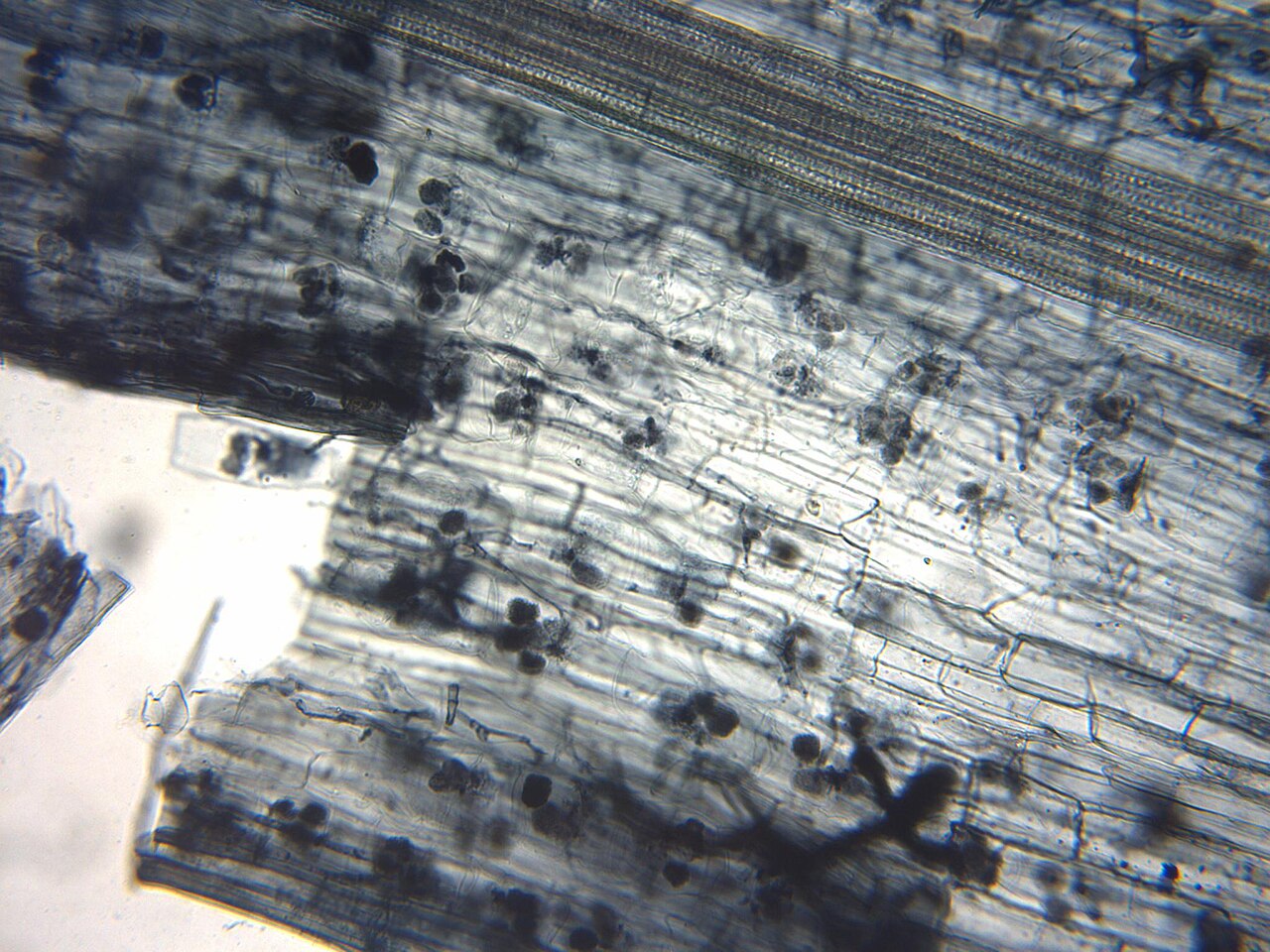
Key roles of the living soil community:
- Nutrient cycling — mineralization of organic matter converts organically bound nitrogen and phosphorus into forms available to roots.
- Mycorrhizal fungi — symbiosis with roots expands the root "reach" for water and phosphorus; hazelnut, as a forest species, naturally collaborates with mycorrhiza (among other things, hazelnut is a host for truffles precisely thanks to mycorrhiza).
- Soil structure — fungal hyphae and sticky microbial exudates (glomalin) bind soil particles into stable aggregates, creating pores for water and air.
- Disease suppression — a rich and diverse microbial community competes with pathogens and reduces their pressure.
Microbiology is not "bought," but nurtured: through constant supply of organic matter, minimal soil tillage (plowing and intensive harrowing break fungal networks and accelerate carbon loss), constant plant cover (living roots feed microbes with exudates), and prudent use of herbicides and fungicides that can burden non-target organisms.
Cover Crops and Soil Fertility in the Orchard
Soil in a hazelnut orchard can be maintained as fallow, bare ground, mulched, managed with herbicides, or through the cultivation of cover crops and green manure plants — most often using a combination (e.g., bare ground/cover crop between rows, with weed control within the row). Cover crops are a particularly powerful tool for simultaneously increasing organic matter, protecting against erosion, suppressing weeds, and enhancing biodiversity.
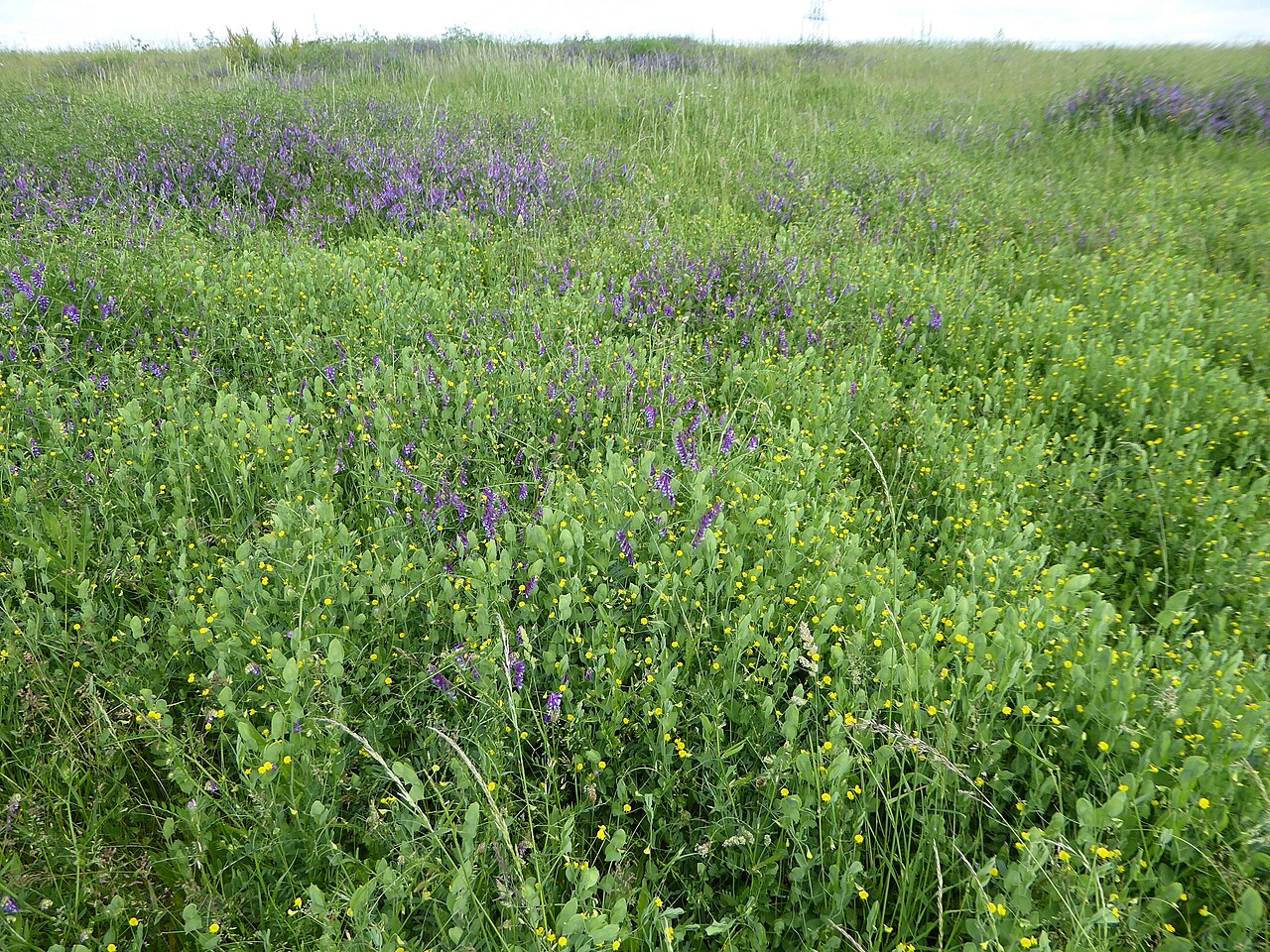
What Cover Crops Deliver
- Armor for the soil and erosion protection — cover reduces the impact of raindrops, decreases runoff, and prevents leaching.
- Biomass and carbon — upright cover crops typically need to produce more than ~3 tons of biomass per acre to effectively suppress weeds; this biomass then becomes organic matter.
- Biodiversity above and below ground — the cover crop is the "understory" of the orchard, increasing primary productivity and biodiversity.
- Habitat for pollinators and beneficial organisms — flowering cover crops feed pollinators and natural enemies of pests.
Selection and Management of Cover Crops
| Group | Examples | Main Benefit | Caution |
|---|---|---|---|
| Legumes | vetch (Vicia villosa/sativa), clover, cocklebur | Atmospheric nitrogen fixation | If fertilized with nitrogen, legumes utilize soil N and nodulate less |
| Grasses | tall fescue (Festuca arundinacea), rye | Rapid ground cover, structure, weed suppression | Higher water consumption |
| Brassicas | rapeseed, mustard | Biofumigation, breaking compaction | Short-term cover |
| Mixtures | legume + grass + brassica | Most stable benefit and biodiversity | Align with goal and location |
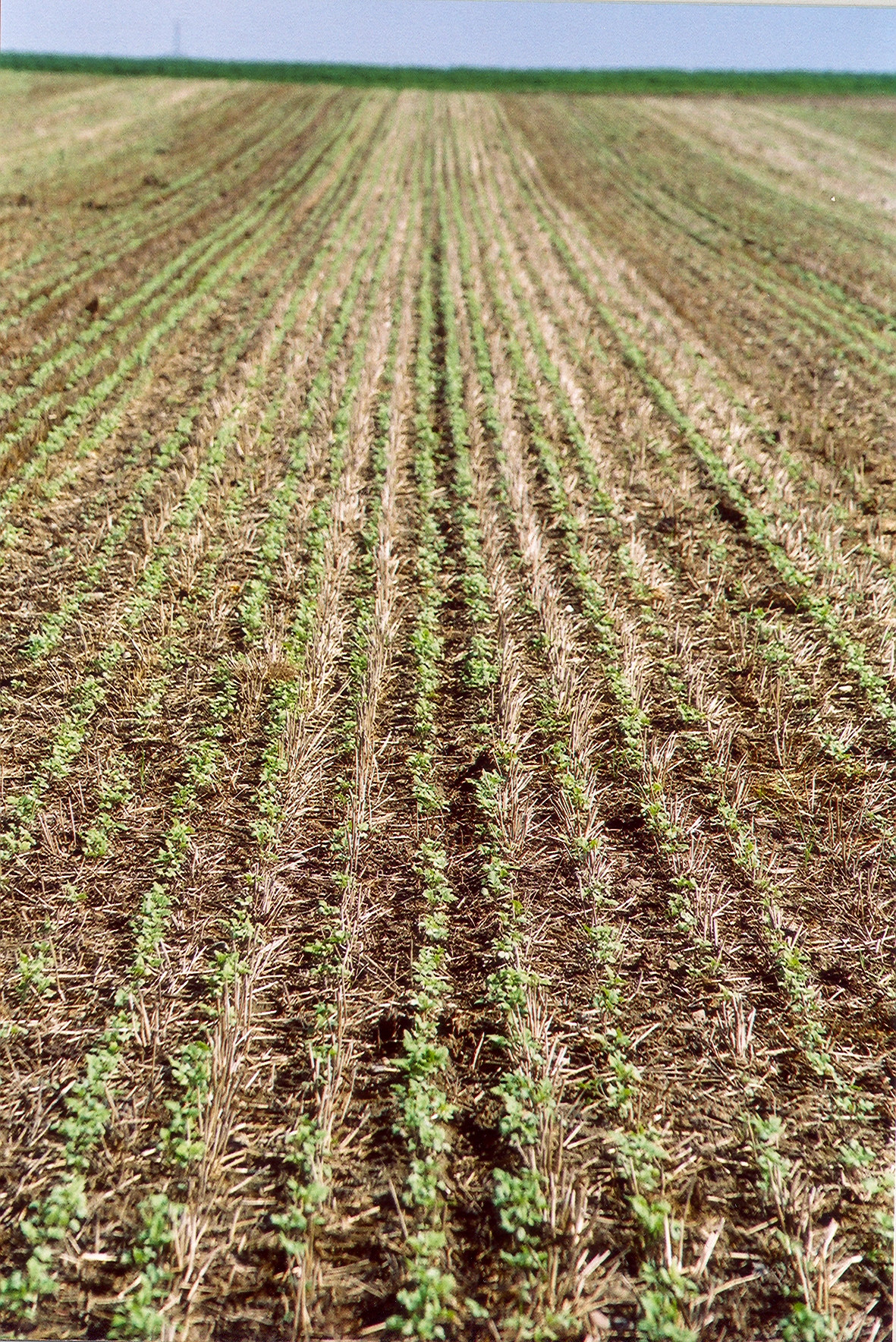
Indicators from hazelnut trials (informative, location- and year-specific): in a Turkish orchard on sandy-loam soil (44% sand, 38% clay, 2.1% organic matter, pH 6.3, spacing 2.5 × 4.5 m), brassicas were tested as cover crops and hazelnut husk mulch for weed control. In another trial, hazelnut yield with a hairy vetch (Vicia villosa) cover crop was ~1,513 kg/ha compared to ~1,385 kg/ha with mechanical control, with a slightly higher kernel ratio in mixtures — demonstrating that well-managed cover crops do not necessarily reduce yield and can even increase it.
Water competition — critical on dry sites
Cover crops consume water: on average, about 4–4.5 inches (≈100–115 mm) of precipitation are required for each ton of green mass produced. On soils with summer moisture deficits, this can deprive hazelnuts of water. Solutions: timely mowing/rolling (termination) before the peak summer heat, cover only in the inter-row, mulching the cut biomass in place ("chop & drop"), and, where available, irrigation. If the orchard is fertilized with nitrogen, avoid fertilizing leguminous cover crops simultaneously — they lose their fixation capability.
Biodiversity as an Investment in Yield and Resilience
The safety and sustainability of agroecosystems in hazelnut orchards, particularly in integrated and organic production, are achieved by applying various procedures to conserve biological diversity — which in Croatia has already been monitored through multi-year research in orchards under integrated production. Biodiversity is not an "ornament," but functional capital:
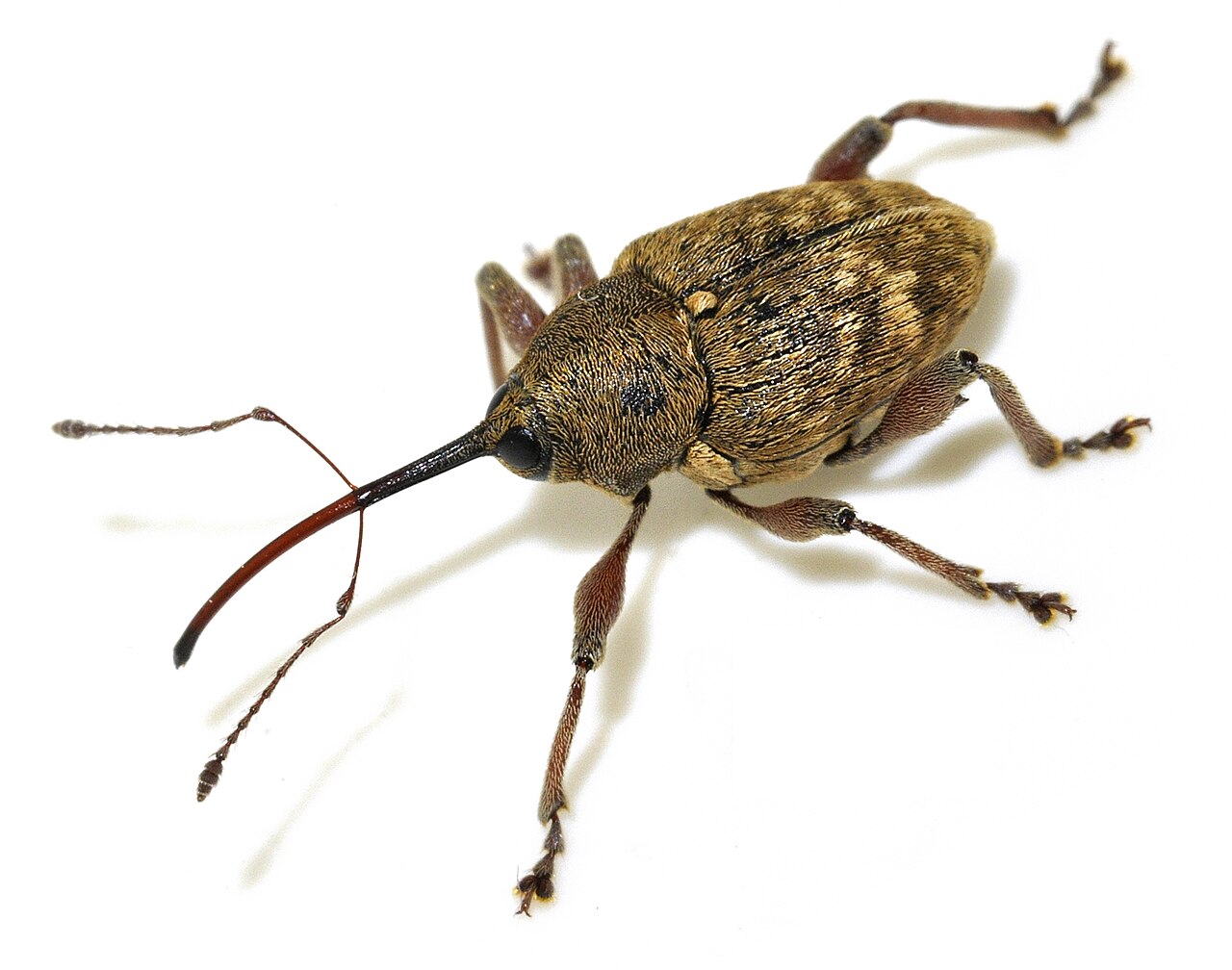
- Natural pest control — hazelnut is considered a low-input crop; the main pest is the hazelnut weevil (Curculio nucum). A diverse landscape (hedgerows, flower strips, bird and wasp nests) supports natural enemies and reduces pest pressure, but also aids in the early detection of newer fruit rot diseases (Monilinia fructigena, Botrytis cinerea, Botryosphaeria dothidea, Neofusicoccum parvum, Diaporthe eres) recorded in Croatian orchards.
- Pollination and fertilization — hazelnut is wind-pollinated, but rich biodiversity supports the overall health of the agroecosystem.
- Soil health — diverse plant cover feeds a diverse microbial and faunal community; below ground, biodiversity means more stable nutrient cycling and suppression of pathogens.
- Economic benefit — managing biodiversity in organic orchards has proven to be both ecologically and economically profitable.
Practical measures for biodiversity in hazelnut orchards:
- Flower strips and inter-row ground cover instead of bare soil.
- Hedgerows and border strips of native shrubs as habitat and windbreaks.
- Diverse cover crop mixtures (legumes + grasses + brassicas).
- Nesting boxes and shelters for birds, bats, solitary bees, and wasp-like flies.
- Reduction and targeted application of pesticides (thresholds, IPM) to protect beneficial organisms.
- Retention of biomass in the system (mulch from prunings and husks) as food and shelter for soil fauna.
Caution during orchard establishment
Converting land (e.g., forest or grassland) into an orchard can temporarily reduce biodiversity through habitat loss. Where valuable habitat types are present (e.g., oak-hornbeam or beech forests), it is necessary to consider environmental protection regulations and, where required, environmental impact assessments. The goal is to compensate for lost diversity within the orchard itself (cover crops, hedgerows, border strips).
Regenerative Approach: Everything Together for the Long Term
Integrated application of regenerative practices can transform a permanent orchard into a resilient, low-carbon agroecosystem where soil gains organic matter and nutrients, water is used more efficiently, and beneficial insects and soil fauna thrive. Long-term research shows that regensively managed orchards maintain healthy yields and improve ecosystem services.
Pillars of the regenerative approach in hazelnut orchards:
- Permanent plant cover (cover crops/ground cover) instead of bare tilled soil.
- Minimal soil tillage — preserves structure, carbon stocks, and microbial networks, reduces erosion and fuel consumption; sometimes with a slight yield reduction that is often offset by better soil moisture in dry conditions.
- Return of organic matter — manure, compost, mulch from husks and prunings.
- Biodiversity as an integral part of orchard design.
- Prudent protection within IPM.
Effects accumulate: over the years, organic matter increases, structure improves, water-holding capacity rises, populations of beneficial insects and microbes strengthen, and trees become more resilient. This is precisely the logic of "capital" — soil value increases over time rather than being depleted.
| Practice | Short-term effect (1–2 yrs) | Long-term effect (5+ yrs) |
|---|---|---|
| Cover crops | Fewer weeds, less erosion | Higher organic matter, better structure and moisture |
| Organic fertilization | Nutrient supply, slight humus growth | Permanently higher humus, stronger microbiology |
| Reduced tillage | Fuel and time savings | Preserved carbon, stable aggregates, more earthworms |
| Biodiversity | Habitat for beneficials | Lower pest pressure, more stable cropping |
Practical Recommendations and Common Mistakes
Recommendations
- Start with a soil analysis before planting and repeat it every 3–4 years; base fertilization on results, not routine.
- Set a target for organic matter (e.g., ≥ 3% humus) and track the trend, not just the absolute value.
- Do not remove biomass from the orchard — return prunings and husks as mulch.
- Introduce cover crops in the inter-row and adapt them to water availability at the site.
- Build biodiversity intentionally: hedgerows, flower strips, shelters for beneficial organisms.
- In protection, apply IPM and economic thresholds instead of calendar-based spraying.
Common Mistakes
- Monitoring only NPK and pH, while ignoring physical and biological indicators.
- Bare, constantly tilled soil — accelerates loss of organic matter, erosion, and compaction.
- Cover crop without a termination plan on dry sites → competition with hazelnut for water.
- Simultaneous nitrogen fertilization and expecting fixation from legumes.
- Excessive and uncontrolled use of herbicides/fungicides that deplete soil fauna and microbiology.
- Intensive pruning of young seedlings in the first 3 years — delays bearing.
- Conversion of valuable habitats without considering environmental protection regulations.
Sources
This article is an AI summary compiled from an internal literature collection on hazelnut (RAG corpus) and publicly available sources. Numerical data (doses, percentages, yields) are informative and depend on cultivar, location, soil type, and current regulations and approvals — verify them with advisory services and official sources before application.
Main sources from the RAG corpus on hazelnut:
- Agrochemical indicators of soil fertility and the effect of subsidized soil analysis in eastern Croatia (2019)
- Cascading use of hazelnut and aronia by-products (2025)
- Hazelnut cultivation (manual / pdfcoffee, 2009) — organic matter and manure doses
- Hazelnut cultivation guide — Advisory Service, savjetodavna.mps.hr (2024)
- Proceedings of the 13th Scientific-Professional Conference of Croatian Fruit Growers (2018) — integrated production and biodiversity
- Proceedings of the 64th Plant Protection Seminar (2020) — organic production and hazelnut diseases
- Environmental protection study — establishment of permanent hazelnut and plum orchard, "Grubišno Polje" (2020)
- Economics and establishment of hazelnut orchards (2021) — soil maintenance in the orchard
- Effect of Brassica Cover Crops and Hazelnut Husk Mulch on Weed Control in Hazelnut Orchards (Samsun, Turkey, 2012)
- Effects of Cover Crops on Yield and Quality of Hazelnut (Corylus avellana L.) (2023)
- Orchard Management using Cover Crops to Improve Soil Health and Pollinator Habitat in the Midwestern United States (2017)
- Cover Cropping: A Malleable Solution for Sustainable Agriculture? Meta-Analysis (2021)
Public web sources (supplement and currency):
- WSU Tree Fruit — Soil Health in Orchards — https://treefruit.wsu.edu/orchard-management/soils-nutrition/soil-health-in-orchards/
- USDA Forest Service — Orchard management using cover crops to improve soil health (PDF) — https://research.fs.usda.gov/treesearch/download/57902.pdf
- Frontiers in Sustainable Food Systems — Long-term regenerative practices enhance in-field biodiversity and soil health — https://www.frontiersin.org/journals/sustainable-food-systems/articles/10.3389/fsufs.2025.1651686/full
- MDPI Horticulturae — Orchard Soil Health: Current Challenges and Future Perspectives — https://www.mdpi.com/2311-7524/11/10/1206
- MSU Extension — Regenerative agriculture in vineyards and orchards: Cover cropping considerations — https://www.canr.msu.edu/news/regenerative-agriculture-in-vineyards-and-orchards-cover-cropping-considerations
- NCBI/PMC — Biodiversity management of organic orchard enhances both ecological and economic profitability — https://www.ncbi.nlm.nih.gov/pmc/articles/PMC4924131/
- ONfruit — Soil Health in Orchards and Vineyards — https://onfruit.ca/2024/07/10/soil-health-in-orchards-and-vineyards/