Stink Bugs (Halyomorpha halys, Nezara, Palomena)
Content generated by artificial intelligence — verify before application
This article was automatically compiled from a collection of hazelnut literature using artificial intelligence and may contain errors or outdated information. It serves as a starting point for further research, not as professional advice. Dosages, products, and timing are informative and depend on the cultivar, location, and current regulations — always consult with an advisory service and official sources before application.
Stink bugs, also known colloquially as "stinky martinis," have become one of the most serious challenges in hazelnut production over the last decade. This refers not to a single species, but to a complex of polyphagous stink bugs from the families Pentatomidae (shield bugs) and Coreidae (leaf-footed bugs) that suck sap from the fruit and directly damage the kernel — precisely the part that is sold. The consequences include indentations and brown spots on the kernel, corky tissue, shriveling, and a bitter, acidic taste that renders the nut unfit for consumption and processing. Additionally, stink bugs transmit the fungus Nematospora coryli via their bites, which causes kernel rot. This article covers species identification, the nature and timing of damage, monitoring, and available control measures in Croatian and European conditions.
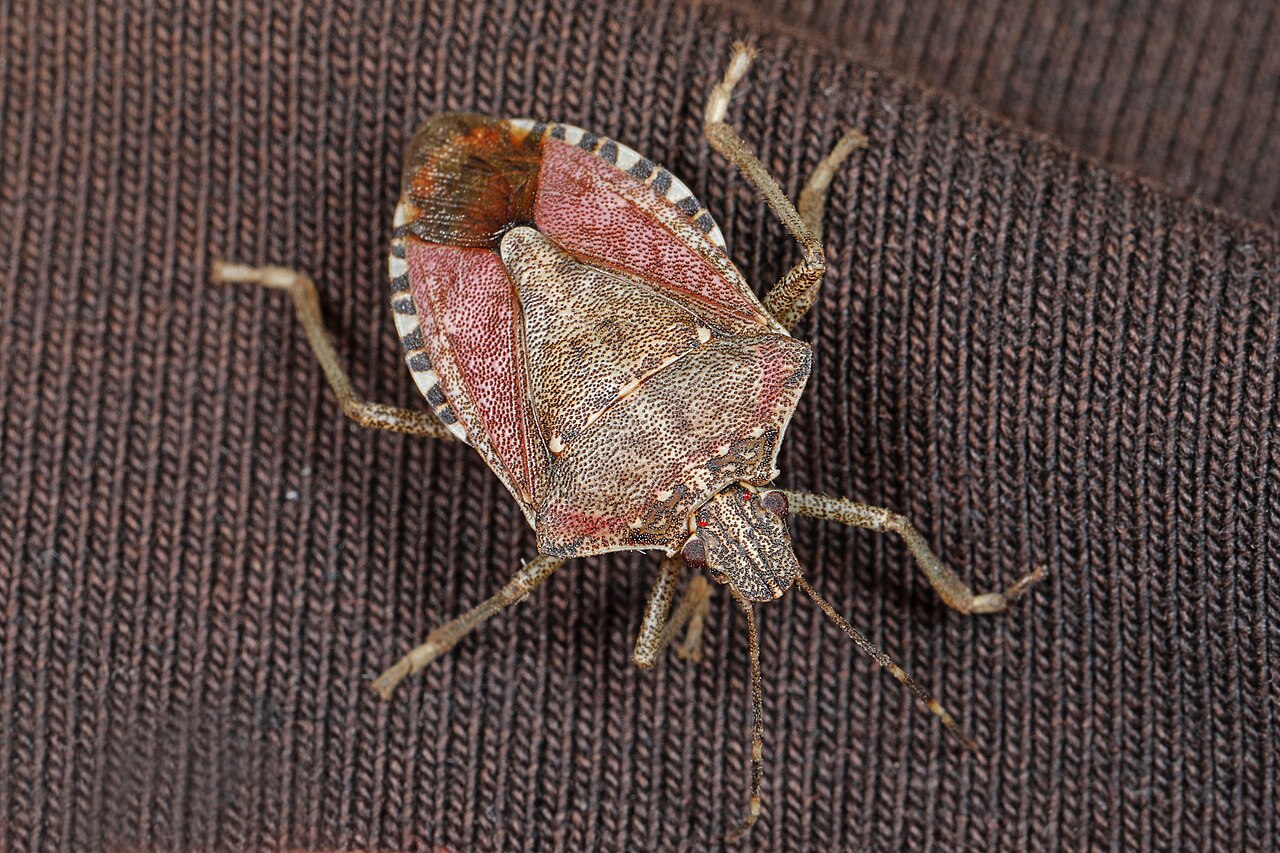
Which stink bugs attack hazelnuts
In hazelnut orchards in Croatia, Italy, Turkey, and Serbia, a whole range of species has been recorded. The greatest damage on the European and North American continents is attributed to the brown marmorated stink bug (Halyomorpha halys), an invasive species, while among native species, the most economically significant are the green stink bug (Nezara viridula), the green shield bug (Palomena prasina), and the leaf-footed bug (Gonocerus acuteangulatus).
| Species (Latin) | Croatian Name | Family | Status | Note |
|---|---|---|---|---|
| Halyomorpha halys | Brown marmorated stink bug | Pentatomidae | Invasive, East Asia | Highest damage potential; spreading rapidly |
| Nezara viridula | Green stink bug | Pentatomidae | Native / Cosmopolitan | Common on hazelnut fruit |
| Palomena prasina | Green shield bug | Pentatomidae | Native | One generation per year |
| Gonocerus acuteangulatus | Leaf-footed bug (Hazelnut leaf-footed bug) | Coreidae | Native | Among the most economically significant in the EU |
| Dolycoris baccarum | Hairy stink bug | Pentatomidae | Native | Polyphagous |
| Piezodorus lituratus | — | Pentatomidae | Native | Secondary |
| Carpocoris purpureipennis | — | Pentatomidae | Native | Secondary |
| Raphigaster nebulosa | — | Pentatomidae | Native | Secondary |
It is important to understand that native species (Palomena, Nezara, Gonocerus) in their natural environment often have natural enemies (parasitic wasps that parasitize their eggs), which partially keep the population under control. The invasive H. halys in newly colonized areas initially lacks sufficiently effective natural enemies, so its population can explode. Turkish studies show strong native suppression (parasitism) in P. prasina, while parasitism of the invasive H. halys is low.
Brown marmorated stink bug (Halyomorpha halys)
Native to East Asia (China, Korea, Japan). It was first recorded in Europe in 2004 in Liechtenstein, and shortly after in 2007 in Switzerland (Zürich). In Croatia, it was first observed in 2017 in the urban area of Rijeka, after which it spread to rural areas and is now considered a widespread species throughout the country. It spreads over long distances through global trade (as a "blind passenger" in goods and vehicles) and over short distances through active flight. The adult bug is about 12–17 mm long, brown with a mottled pattern, with distinctive alternating light and dark spots on the edge of the scutellum and on the last two segments of the antennae.
Native species
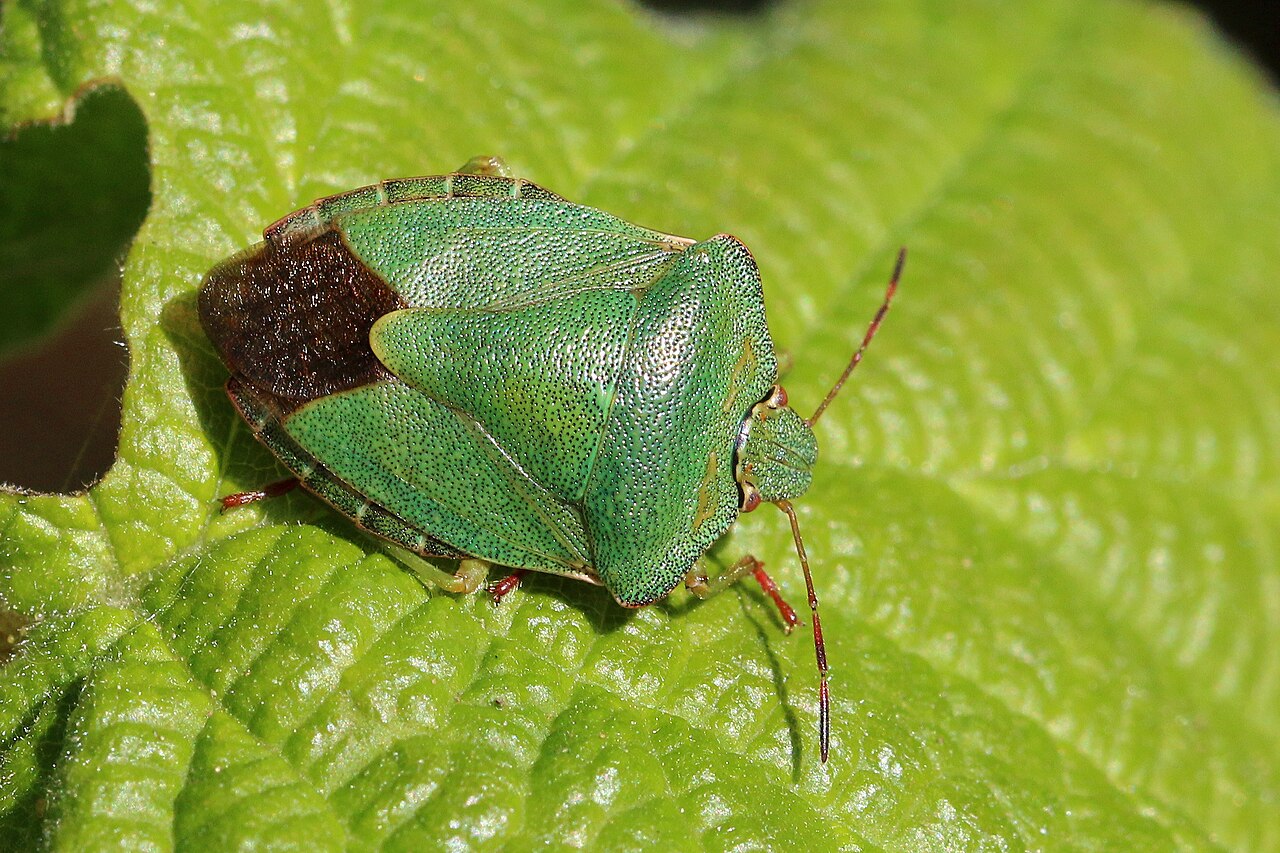
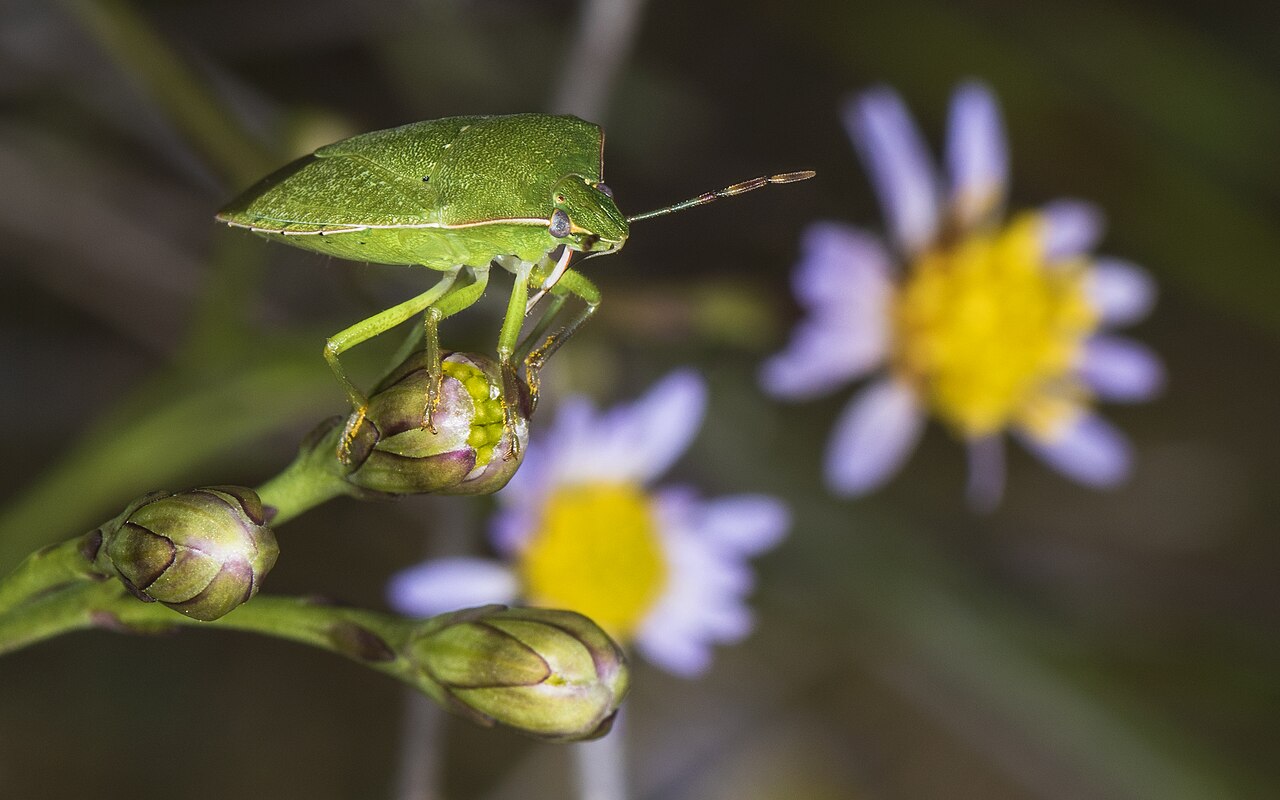
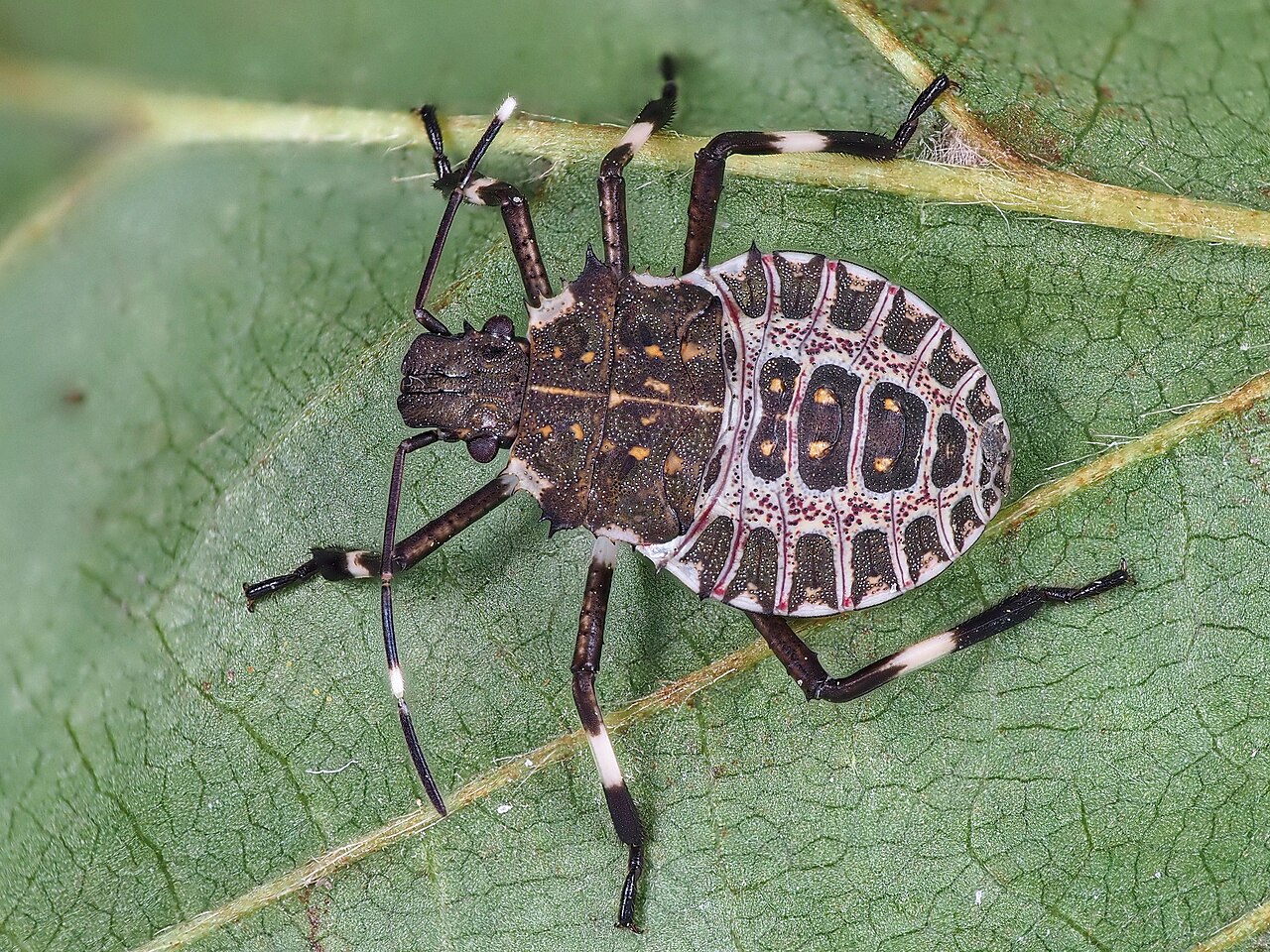
Green shield bug (Palomena prasina) — the imago is 12–14 mm long, green; eggs are green and laid in clusters on leaves. Nymphs go through five stages, embryonic development lasts 15–21 days, development of one generation takes 5–6 weeks, and there is one generation per year. Adults overwinter hidden in cracks, under leaves, and under bark.
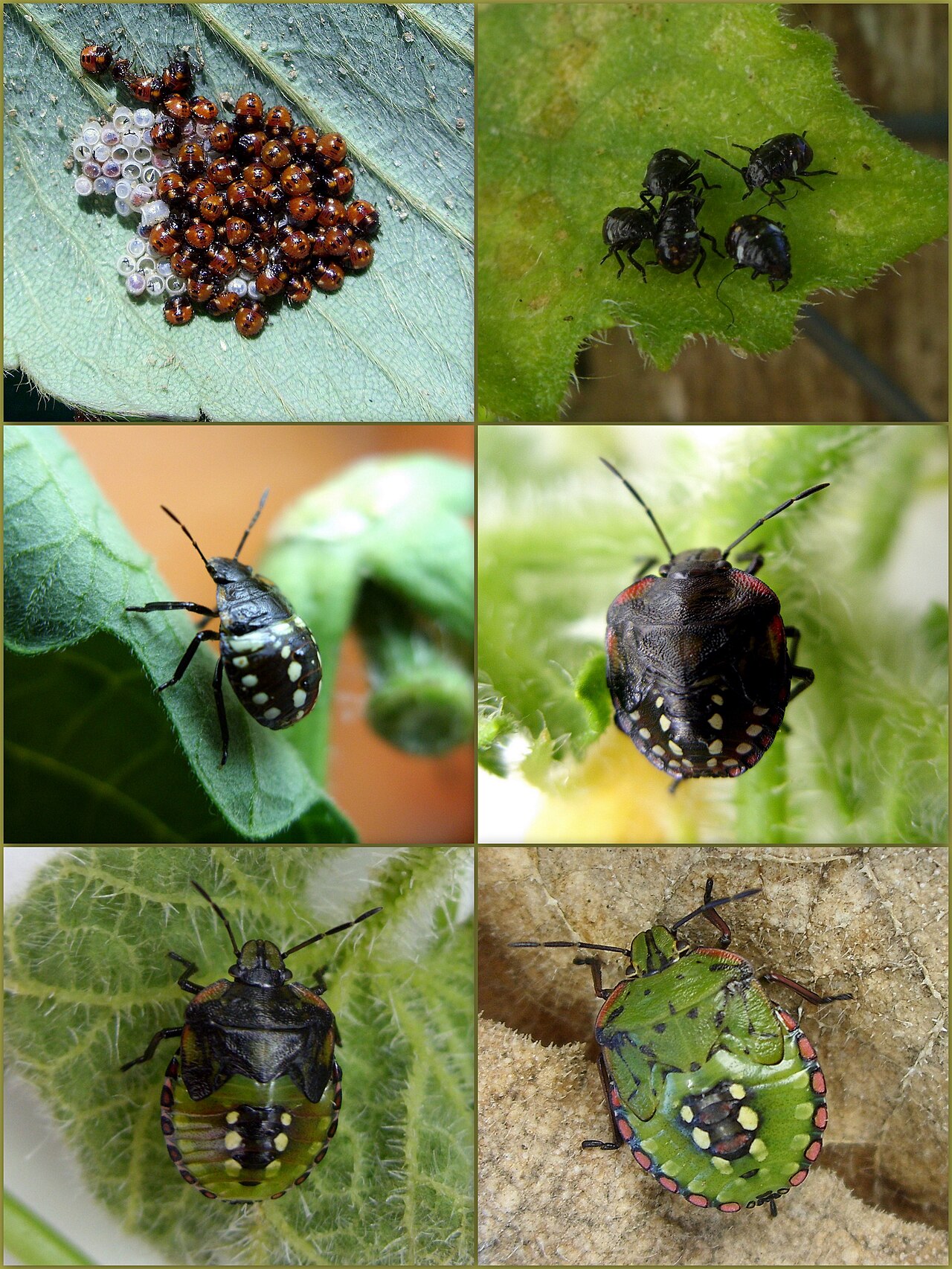
Green stink bug (Nezara viridula) — a cosmopolitan polyphagous species, regularly found on hazelnut fruit in the form of imagos and larvae.
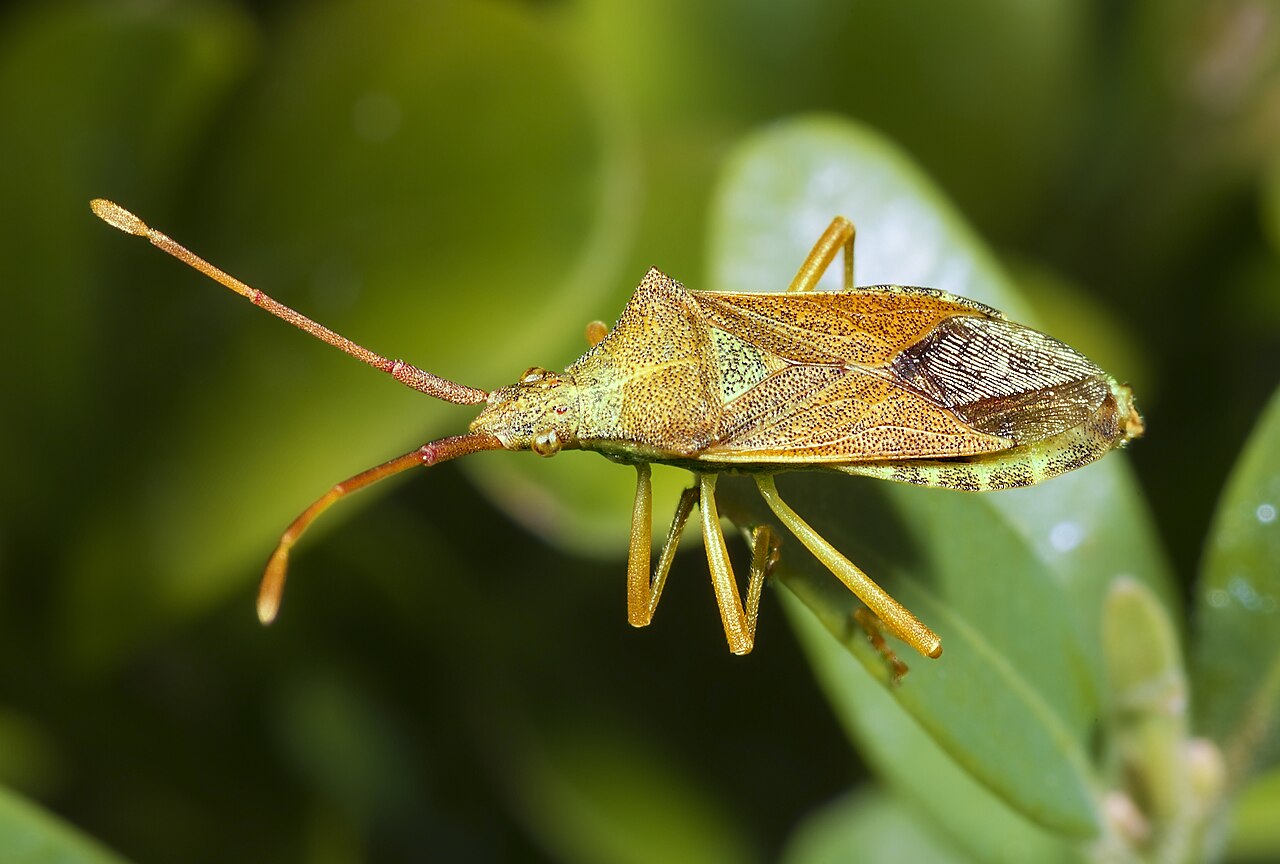
Leaf-footed bug (Gonocerus acuteangulatus) — a species from the family Coreidae, in Europe and Turkey one of the most economically significant hazelnut pests among stink bugs.
How stink bugs damage fruit and kernel
Damage can be direct and indirect.
Direct damage is caused by both the adult form (imago) and larvae (nymphs) through piercing and sucking. The stink bug uses its mouthparts (rostrum) to pierce the shell and mesocarp to reach the kernel, injecting saliva with digestive enzymes into the tissue that break down cells and extract nutrients. The result is a series of symptoms depending on when the bite occurred.
Indirect damage occurs because stink bugs transmit pathogens via their rostrum — primarily the fungus Nematospora coryli, but also other fungi and bacteria that cause kernel rot and mold. The fungus Nematospora coryli lives on hazelnut organs as a saprophyte, and stink bugs transmit its infectious cells on their rostrum. With sufficient rain and moisture, the disease develops across a wide temperature range (approximately 10–37 °C).
Symptoms according to attack period
The timing of the bite critically determines the appearance of the damage:
| Attack Period | Fruit Phenophase | Type of Kernel Damage |
|---|---|---|
| May — early June (early attack) | Fruit is just forming, kernel is not yet filled | "Traumatic abortion": the kernel stops developing, turns black and dries up; a hollow space remains inside the shell (empty fruit / "blank"); visible brown droplets in the shell |
| June — July (kernel filling) | Kernel is filling | Shriveling (deformed, shriveled kernel), tissue collapse |
| July — August (late attack) | Kernel formed | Dark spots on the kernel underneath which is corky tissue, initially milky-white then dark-yellow to brown; kernel is yellow/brown in color, bitter or acidic taste ("cimiciato") |
The most dangerous attack occurs during the kernel filling phenophase (May/July) because it directly disrupts kernel development at that stage.
Hidden damage — visible only after processing
A characteristic of stink bug damage is that it is often not visible from the outside — the fruit appears healthy. Damage to the kernel becomes visible only after cleaning, drying, and preparing the cleaned kernel for the market, i.e., after the "cut test" (cutting a sample of kernels in half). The interior of the fruit may be infected without any changes being noticeable on the surface. Therefore, economic damage is often discovered too late.
Extent of damage
- During autumn 2021, the regional advisory service in Osijek received multiple reports from producers about up to 30 % damaged fruit in the total yield, where the damage during summer was not visible.
- Turkish data (Saruhan and Tuncer, 2010) state that even two imago or nymph individuals per shoot cause approximately 10 % damaged fruit that falls prematurely.
- In Croatian media reports (2025), damages for some cooperators are cited at up to 80 %, depending on location and conditions — especially in seasons with cool, wet springs and moderate summer temperatures.
Figures are informative and vary greatly depending on location, cultivar, pest abundance, and year; they serve to gain an impression of the risk, not as a fixed indicator.
Monitoring
Since the damage is hidden, and the critical decision threshold in Croatia and the EU has not yet been officially established, systematic monitoring is the foundation of protection. The following combined methods are recommended:
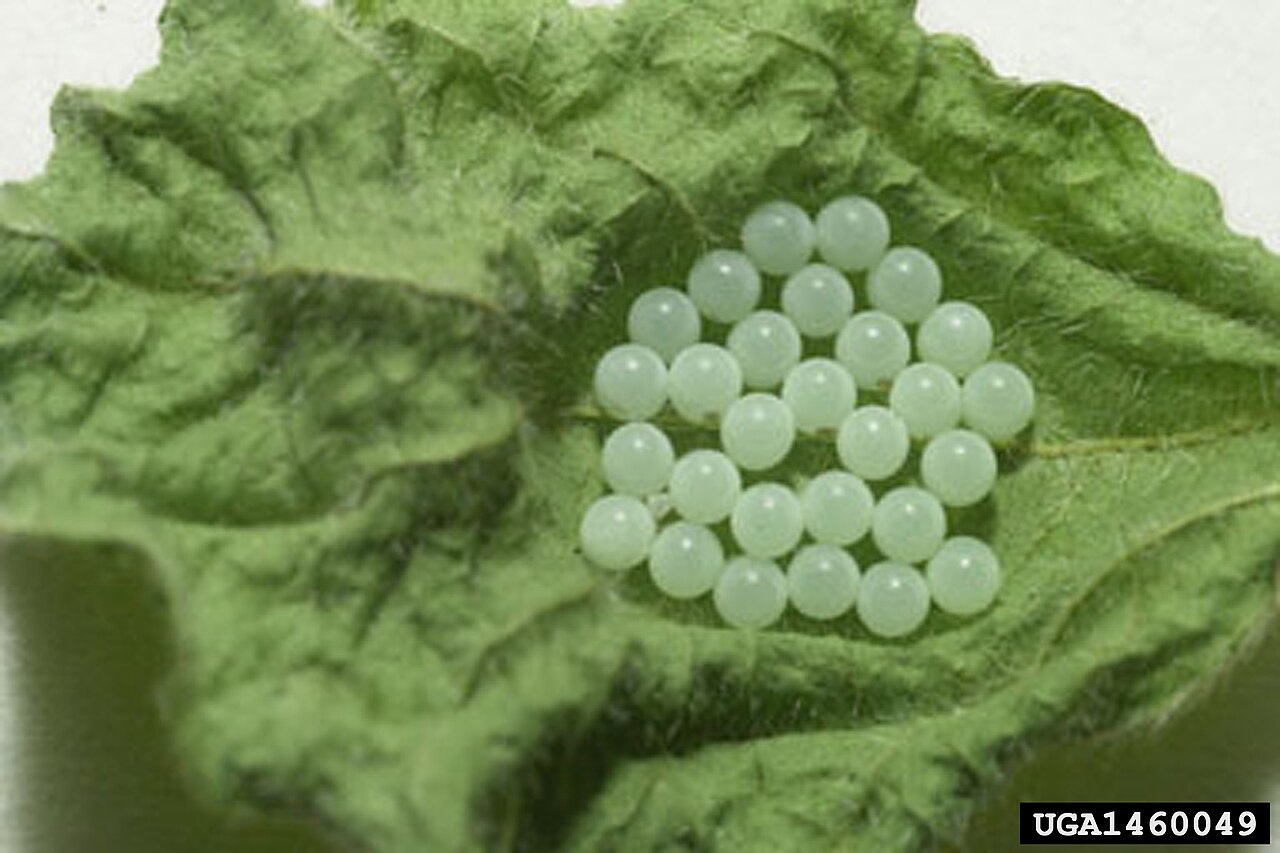
- Regular visual inspections of trees (especially fruiting branches) — from May, regularly throughout the entire vegetation period. Look for the presence of imagos, nymphs, and characteristic clusters of eggs.
- Shaking branches onto a cover — PVC film or similar material is spread under the tree, branches are shaken, and captured individuals are counted. A simple and inexpensive method for estimating abundance.
- Pyramidal traps (black) with pheromone — for H. halys, commercially available black pyramidal traps are used with the mandatory addition of a pheromone attractant. These are also available in Croatia.
- "Cut test" — periodically cutting a sample of fruit/kernels to detect internal damage that is not visible from the outside.
Where to place pheromone traps
Pheromone traps attract stink bugs, so they should not be placed in the middle of the orchard — this can increase damage in their vicinity. It is recommended to place them on the edge of the orchard or outside it, and to use traps primarily as a tool for timely detection of appearance (a signal for increased inspection), not for mass trapping.
Decision thresholds
For Croatia and the EU, there are no officially confirmed thresholds for critical abundance. Literature data from the USA (states of New York and Utah) can serve as a guide, where the decision threshold for starting control of the brown marmorated stink bug is cited as 10 captured adult individuals in pheromone traps over the course of a week. The general rule is: any catch in the trap justifies increased inspection of the orchard, and the presence of nymphs (larvae) in the orchard is a clear sign of damage risk, as it means the pest is reproducing on-site.
Control
Protection against phytophagous true bugs is complex, and each individual measure yields only partial results. Success relies on an integrated approach (IPM): understanding their biology, regular monitoring, targeted application of approved products, and biological control measures.
Agrotechnical and mechanical measures
- Orchard and environment maintenance — removal of weeds and alternative host plants, as true bugs are polyphagous and easily move from crop to crop.
- Shaking and mechanical removal of adult insects during inspections (on smaller areas).
- Keep in mind that late winter control is ineffective — most species overwinter as adults in sheltered locations outside the orchard, so winter measures do not reduce their later population density.
- Proper spray distribution in the canopy (checking with water-sensitive paper) for better coverage during treatment.
Chemical measures and product registration
Registration status in Croatia
The situation regarding the registration of insecticides for true bugs in hazelnut in Croatia is restrictive and changing. Some literature states that there is no specifically registered insecticide for true bugs in hazelnut in Croatia, while other (more recent) sources mention preparations registered for hazelnut that also act on true bugs. Due to constant changes in approvals and pre-harvest intervals (PHI), always check the current registration in the Plant Protection Products Database (FIS, Ministry of Agriculture) and on the product label before every application.
The following preparations are mentioned in the corpus and advisory notices (for informational purposes; verify current registration and intended use):
| Active ingredient | Example product | Note from literature |
|---|---|---|
| Deltamethrin | Decis 100 EC, Demetrina 25 EC, Scatto, Rotor Super; Poleci plus | Preparations based on deltamethrin are listed for hazelnut; Poleci plus is registered for true bugs on other crops (strawberry, wheat, corn, cotton) |
| Spirotetramat | Movento | Listed for use in hazelnut |
| Acetamiprid | Mospilan 20 SG / 20 SP | Registered for true bugs on ornamentals/sunflower (not necessarily in hazelnut) |
| Thiacloprid | Calypso 480 SC | Primarily for hazelnut weevil (0.2 l/ha, max 2 applications, PHI K=70) — simultaneous measures against true bugs can be applied |
| (Advisory notice) | preparation 0.2 l/ha, one application/season | The notice for controlling H. halys specifies application of 0.2 l/ha, with one application allowed during the season |
| Azadirachtin (neem) | NeemAzal-T/S | Mentioned alongside "Asset" in the advisory notice for controlling true bugs |
All dosages, products, and intervals are informational and depend on the cultivar, location, phenological stage, and valid approvals/label. Treatments should be directed based on monitoring results, with the main emphasis on the kernel filling stage when damage is most severe.
Organic production
In organic hazelnut production, approved preparations based on spinosad (e.g., Laser) and the biological insecticide based on the bacterium Bacillus thuringiensis subsp. kurstaki (e.g., Dipel DF) are mentioned. The obligation to verify current registration applies to these as well.
Biological control
Biological control, especially for the invasive H. halys, is considered a promising long-term solution because chemical products are often only short-term effective and have limited reach. Main directions:
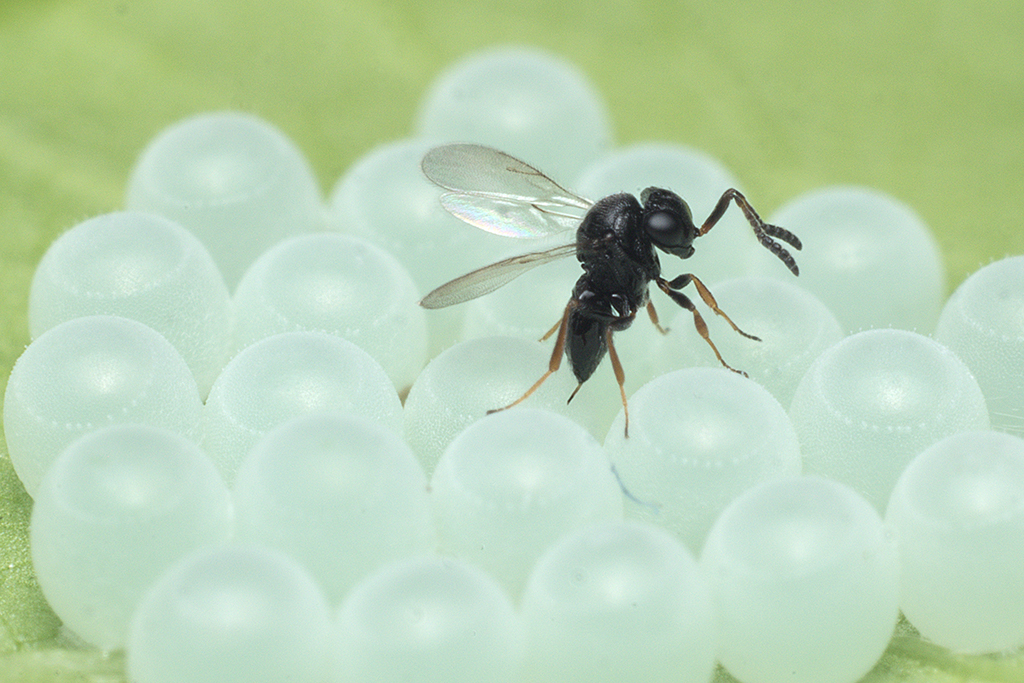
- Parasitic wasps (egg parasitoids) — highest efficacy has been established for the genera Trissolcus (including the Asian "samurai wasp" Trissolcus japonicus) and Anastatus spp. These parasitize true bug eggs and can significantly reduce the population.
- Entomopathogenic fungi — Beauveria bassiana (broad host range, environmentally friendly, effective in multiple developmental stages) and Metarhizium spp. Metarhizium has shown efficacy of around 63 % in controlling Nezara viridula eggs; mortality of H. halys imagines was recorded in the range of 40–88 % under controlled conditions. Note: H. halys is significantly less susceptible to M. anisopliae than some other true bug species.
- Symbiont-targeted control approach — a newer, sustainable method: treating egg surfaces with a biocomplex (copper, zinc, citric acid) prevents H. halys nymphs from acquiring the key endosymbiont Candidatus Pantoea carbekii, leading to high nymph mortality in the laboratory, and does not disrupt biodiversity of beneficial insects (unlike insecticides such as lambda-cyhalothrin). The method is still in the research phase.
Before releasing new organisms (e.g., parasitic wasps) into the environment, extensive research and approvals are required, but for some species, high efficacy has already been proven.
Practical recommendations and common mistakes
Recommendations:
- Start with regular inspections from May and continue throughout the vegetation period; do not rely solely on the visual impression of healthy nuts.
- Combine monitoring methods: visual inspection + shaking onto a sheet + pheromone trap (at the orchard edge) + periodic cut test.
- Direct treatments to the kernel filling phenological stage, when damage is most critical, and based on monitoring results, not as a blanket application.
- Check current registration and pre-harvest interval (PHI) before every application; respect the label.
- Cultivate natural enemies (reduce unnecessary broad-spectrum treatments) and consider biological measures as part of a long-term strategy.
Common mistakes:
- Relying on nut appearance — the most dangerous mistake; damage is hidden and only detected after processing.
- Winter treatments against true bugs — ineffective because they overwinter outside the orchard.
- Trap in the middle of the orchard — can attract pests and increase local damage.
- Single "just in case" treatment without monitoring — ineffective because true bugs enter from the surroundings over a longer period; the timing is crucial as the pest moves quickly between crops.
- Neglecting the fungal component (Nematospora coryli) — in addition to controlling true bugs, it is useful to also manage protection against nut and kernel rot (e.g., fungicides registered against gray leaf spot/brown rot, with registration verification).
Gallery
Sources
This article is an AI summary compiled from an internal literature collection on hazelnut (RAG corpus) and public internet sources. Main sources used:
- Halyomorpha halys (Stål, 1855) – a new challenge and threat to Croatian agricultural production. Plant Protection Bulletin 4-5/2024 (RAG corpus, hr).
- Phytophagous true bugs ("Stink bugs") – increasingly significant hazelnut pests. Gospodarski list, 2021 (RAG corpus, hr).
- Hazelnut protection methods against stink bugs (RAG corpus, hr).
- Most significant hazelnut pests; Hazelnut diseases and pests (Repository), 2011/2020 (RAG corpus, hr).
- Biological control of the brown marmorated stink bug (Hemiptera: Pentatomidae), 2022 (RAG corpus, hr).
- Ivezić A.: Brown marmorated stink bug Halyomorpha halys – a new threat in hazelnut orchards in Serbia. Biljni lekar, 2020 — https://scindeks-clanci.ceon.rs/data/pdf/0354-6160/2020/0354-61602005488I.pdf
- First finding of the brown marmorated stink bug and population size in multi-year orchards in Croatia, 2023 — https://hrcak.srce.hr/312193
- Stink bug decimates domestic hazelnut production – farmers seek urgent approval of insecticides, 2025 (RAG corpus, hr).
- D. Bošnjak: Hazelnut (presentation), Agro-cluster, 2023 — https://agro-klaster.hr/wp-content/uploads/2024/01/dr.sc_.-D.-Bo%C5%A1njak-Lijeska-2.pdf
- PZ / advisory notices (nasljesnjak.hr, savjetodavna.mps.hr) — phenological calendar and producer notices (RAG corpus, hr).
- Effects of Kernel Feeding by Halyomorpha halys on Commercial Hazelnuts. Journal of Economic Entomology, 2014 — https://academic.oup.com/jee/article/107/5/1858/809211
- Symbiont-Targeted Control of Halyomorpha halys Does Not Affect Local Insect Diversity in a Hazelnut Orchard. Insects, 2025 — https://doi.org/10.3390/insects16070688
- Low Natural Parasitism of the Invasive Halyomorpha halys Versus Strong Native Suppression of Palomena prasina… Türkiye — https://pmc.ncbi.nlm.nih.gov/articles/PMC12733942/
- Hazelnut – Brown Marmorated Stink Bug. Pacific Northwest Pest Management Handbooks — https://pnwhandbooks.org/insect/nut/hazelnut/hazelnut-brown-marmorated-stink-bug
- Study of the overwintering ecology of Palomena prasina in a perspective of IPM. ResearchGate, 2023 — https://www.researchgate.net/publication/375598297
Recommended equipment
🔎 pheromone insect trap orchard — Amazon →Affiliate links — we may earn a small commission at no extra cost to you.