Global Hazelnut Market: Turkey, Italy, and the World Supply
Research-grounded draft (sources cited) — adapt to local context
Article adapted to the United States (Oregon), based on Croatian/EU research literature (see Sources). Figures come from the cited studies and are indicative for the United States (Oregon): verify local equivalents with USDA, FSA, state Departments of Agriculture (e.g. Oregon), OSU Extension, Oregon Hazelnut Commission.
The hazelnut (Corylus avellana) is one of the most economically important nut crops in the world, and its market is among the most concentrated in all of agriculture. Understanding the global picture—who produces, who buys, and which trends drive prices—is crucial for any producer planning an orchard, negotiating purchases, or considering processing. This article provides an overview of the structure of global production and demand, explains why Turkey has dictated the market for decades, and identifies the factors shaping the future of supply and prices.
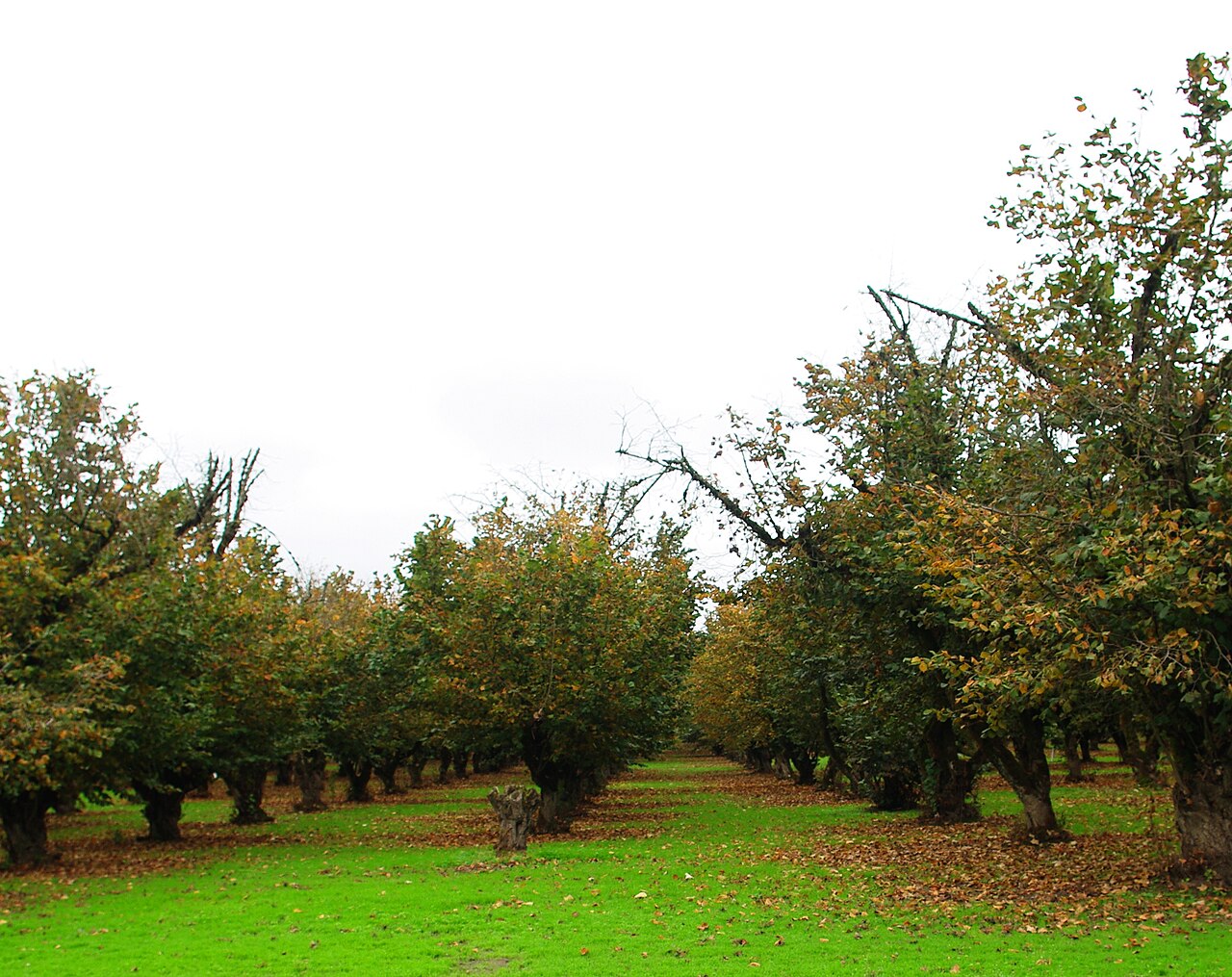
Size and Structure of the Global Market
The hazelnut has significant economic importance precisely because it is both in demand and relatively low-maintenance. The main characteristics of the market are as follows:
- Total global production varies depending on the year and source, but recent data indicates global areas under hazelnut cultivation exceed 660,000 hectares [1].
- Production fluctuates strongly from year to year. Because the hazelnut is a perennial woody crop, yield oscillations are primarily due to weather conditions—spring frosts, drought, and increasingly, pests—rather than incorrect variety selection or fertilization [2].
- The market is structurally concentrated. A few countries dominate both production and export, creating a supply chain heavily influenced by specific regional weather events.
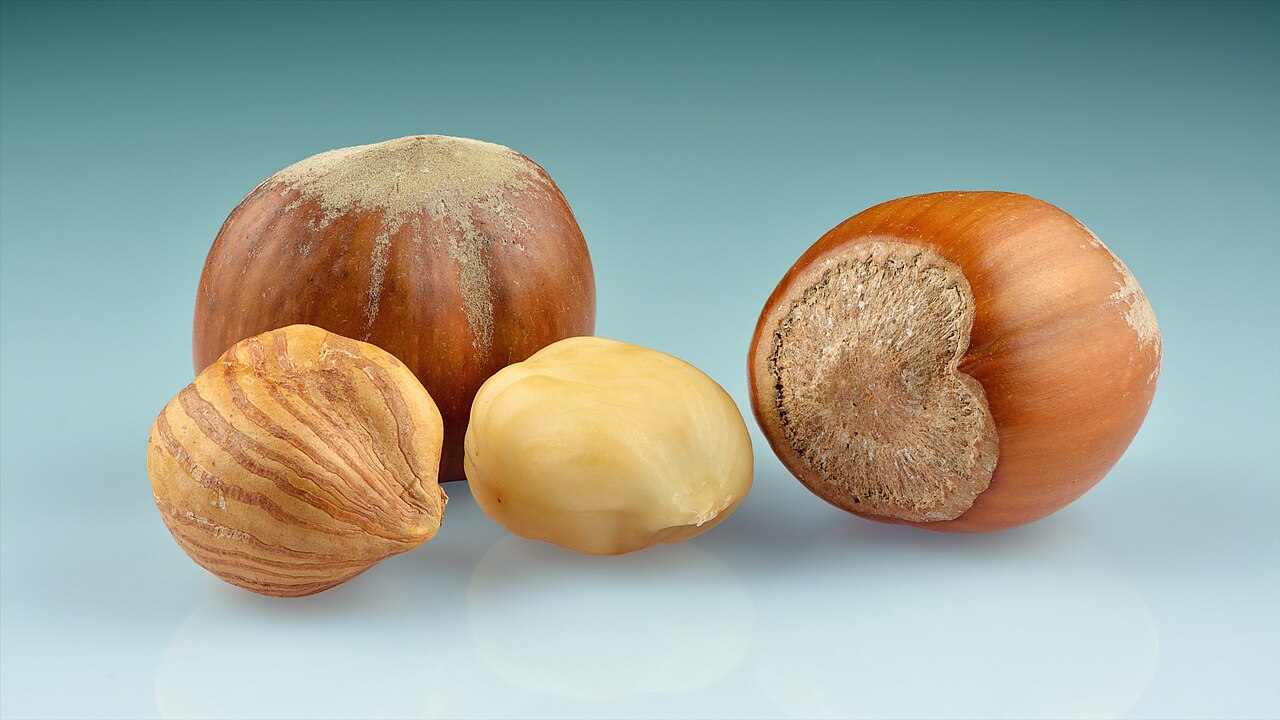
Hazelnuts are primarily processed in the confectionery (chocolates, creamy spreads, pralines), food, and pharmaceutical industries. They are valued for their high content of fats, proteins, sugars, minerals, and vitamins. Most global trade occurs in shelled kernels—industry buyers purchase the kernel, not the nut in the shell.
Largest Hazelnut Producers in the World
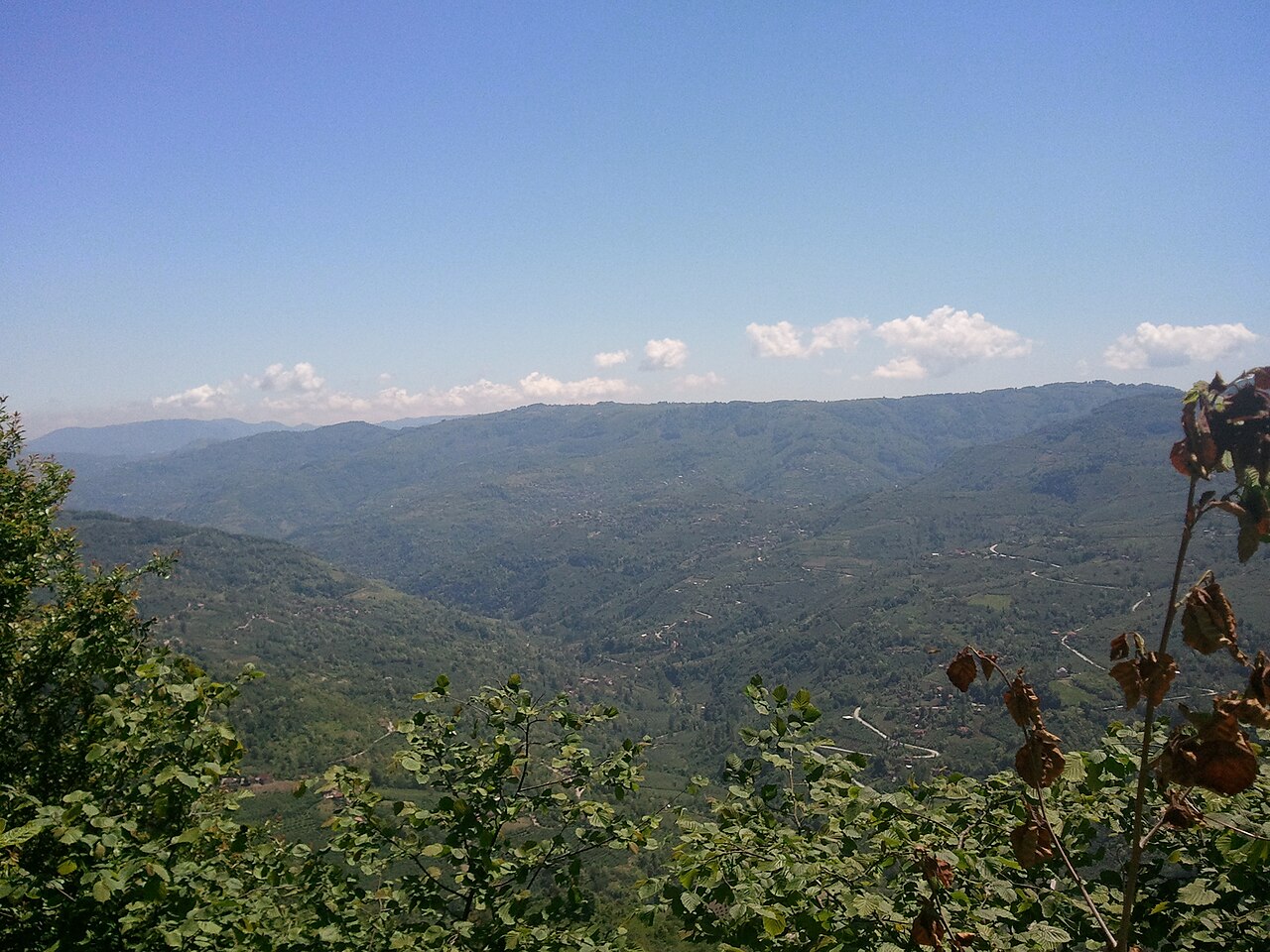
Geographically, production is tied to Mediterranean and Black Sea climates—Anatolia, Southern Europe, the Caucasus, and parts of North America. The following table consolidates the range of shares found in different sources (historical averages and more recent annual data):
| Country | Share of Global Production (Range from Sources) | Note |
|---|---|---|
| Turkey | ~50–73% (most often 60–70%) | By far the largest producer and exporter |
| Italy | ~9–20% (most often 13–17%) | Largest European producer |
| Azerbaijan | ~4–5% | Rising |
| USA | ~4–7% | Oregon (mainly Barcelona variety) |
| Georgia | ~4% | Strong area growth |
| China | ~2.5–3% | Growing domestic market |
| Chile | < 2% | Rapid growth (Southern Hemisphere) |
| Iran, France, Spain, Greece | < 2–3% | Traditional smaller producers |
Why the numbers differ
Shares vary depending on the year observed, whether production is measured in shell or kernel, and the source (FAOSTAT, national statistics, market analyses). Turkey can exceed 70% of global production in a good year, while its share drops in a poor yield year, and the relative share of other countries rises. Use these figures as an order of magnitude, not as an absolute value.
For comparison, Croatia accounts for only about 0.2% of global production, though it has significant natural potential and growing areas [3]. Note: These figures are from Croatian/EU research; verify the specific United States/Oregon equivalent for local context.
Turkey — The Dominant Player Setting the Price
Turkey is not just the largest producer; it is the price regulator of the global hazelnut market. The reasons for its dominance are structural:
- Concentration of production along the Black Sea. Turkey is the leading producer, with a share of 73% in total production, and participates in 82% of exports [1]. Other sources cite Turkey producing 70% of the world's hazelnuts [2].
- Huge base of small producers. The hazelnut is a primary source of income for hundreds of thousands of Turkish families, giving the crop political significance and state support.
- Dominance in exports. Turkey participates with significant 82% in the export of hazelnuts [1].
- Cheap labor and bush-type cultivation. The most common cultivation form is bush-like, which yields fruit quickly and requires only cheap labor, of which there is plenty in Turkey [2]. The "Ocak" system is practiced, i.e., cultivation in a group of five to six seedlings planted in a circle with a diameter of one meter [5].
What Turkish Dominance Means for the US/Oregon Producer
The practical consequence is clear: the price of hazelnuts on the domestic purchase largely follows the Turkish harvest and the Turkish stock exchange price. When frost or pests damage the Turkish harvest, the global price rises. When the Turkish year is bountiful, prices fall. US producers, particularly in Oregon, are not price-competitive with Turkey in terms of labor costs or volume, so the strategy is differentiation (quality, traceability, eco-certification, direct sales) rather than competing in quantity.
Italy and Other European Players
Italy is the largest European producer and the second largest in the world. Italian production is concentrated in Piedmont (known for the protected variety Tonda Gentile delle Langhe, the basis of the premium confectionery industry), then in the Avellina area (Campania) and Sicily. Italy covers 20% of world hazelnut production and participates in 15% of exports [4].
A specific feature of Italy is that it is simultaneously a large producer, large processor, and importer—the domestic confectionery industry consumes more than the country produces, so Italy imports Turkish kernels. Thus, Italy is one of the largest importers of Turkish hazelnuts, along with Germany and France [2].
Among other European and global players changing the landscape:
- Georgia and Azerbaijan — strongly expanding areas and becoming a serious alternative to Turkish supply.
- Chile — produces in the Southern Hemisphere, offering "off-season" kernels and becoming increasingly important for global supply chains.
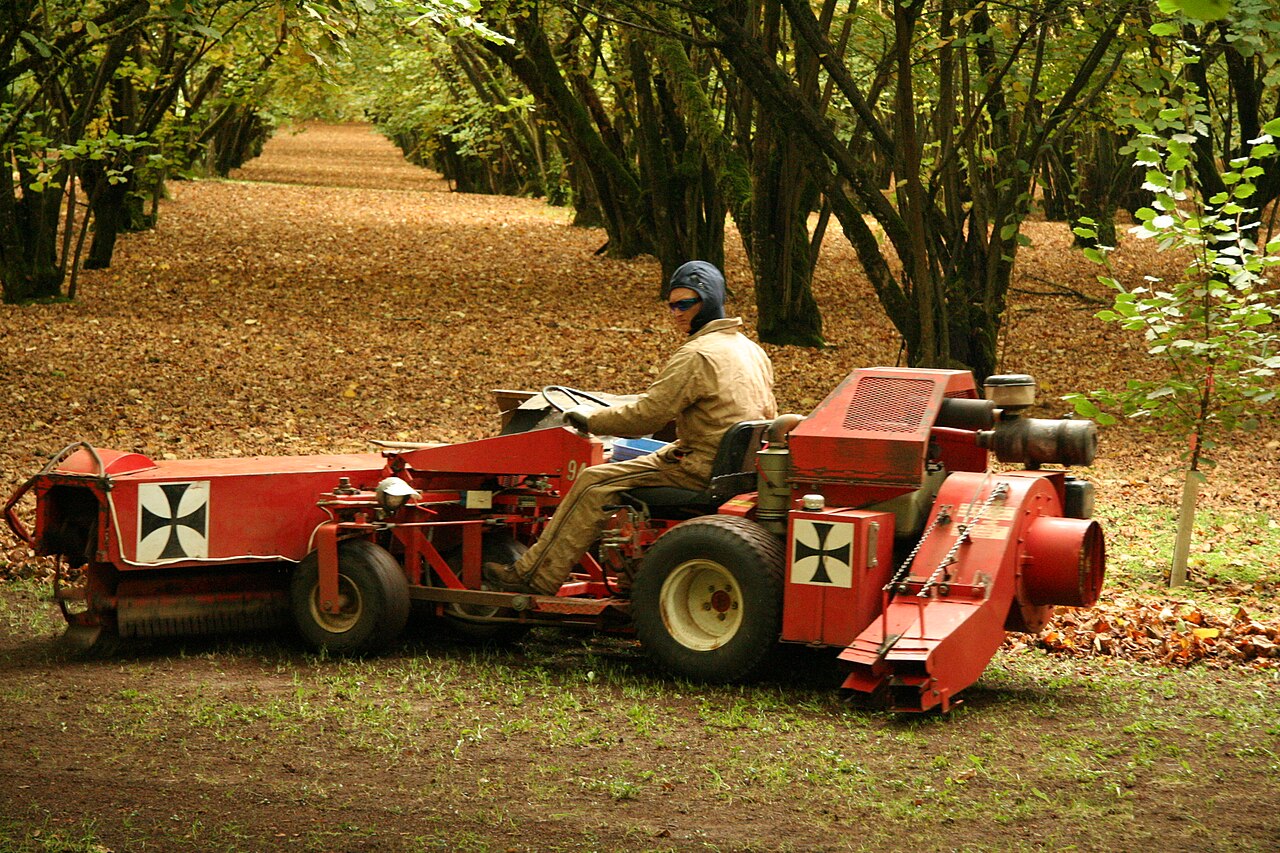
- USA (Oregon) — high-mechanized production, increasingly oriented towards export to Asia.
Demand and Market Trends
Demand for hazelnuts is growing long-term, driven by the following factors:
| Trend | Impact on Market |
|---|---|
| Growth of the confectionery industry | Stable, large demand base; large buyers (chocolate industry) dictate quality standards |
| Healthy eating and nuts | Growth in retail demand (snacks, plant-based products) |
| Plant-based alternatives and spreads | New demand segments for kernels and hazelnut oil |
| Seasonal demand (holidays) | Significant increase in demand towards the end of the year |
| Threatened supply (frost, pests, climate) | Reduced or uncertain supply further raises prices and demand for secure sources |
Market analyses estimate that the value of the global hazelnut market is growing. The hazelnut has great economic significance, making it sought after on the world market. Total world production is not sufficient to cover world demand, which leads to high purchase prices and secure market placement [7].
The key is in the kernel, not the shell
Since almost all global trade takes place with shelled kernels, yield (the proportion of kernel in the fruit, typically around 44–46%) and kernel quality crucially affect the price you will achieve. Fruit with a thin shell and high yield achieves a better price.
Factors That Raise and Lower Prices
The most important driver of short-term prices is the state of the Turkish harvest. Along with this, an increasingly important role is played by:
- Climate change and frosts — spring frost in the Black Sea region can halve the world's supply in a day.
- Pests, especially the brown marmorated stink bug (Halyomorpha halys). This is a global threat to hazelnut stocks.
- Exchange rate of the Turkish lira and state interventions — affect the price at which Turkish hazelnuts enter the world market.
- Expansion of new production areas (Georgia, Chile) — long-term increase in supply and can mitigate price spikes.
Place and Opportunity for US/Oregon Production
The United States is a significant player, but the market context carries several clear messages for domestic producers:
- Secure placement. A permanently deficit market and strong domestic confectionery industry mean that there is a buyer for quality domestic hazelnuts.
- Compete on quality, not quantity. Turkey and new countries win on costs and volume; the US opportunity is in quality, traceability, organic production, and short chains (direct sales, processing into spreads, oil, flour).
- Count on price volatility. The purchase price follows Turkey and can vary strongly from year to year — include this in the financial plan of the orchard.
- Yield protection is a market issue. Since pests globally reduce supply, a producer who manages to preserve healthy, undamaged kernels achieves a premium precisely in bad years.
Practical Recommendations and Common Mistakes
- Do not plan based on the price of one good year. High prices usually come from Turkish non-yield and are not permanent. Calculate profitability on a multi-year average.
- Monitor Turkish harvest forecasts and weather conditions in the Black Sea region — they are the leading indicator of price direction for the upcoming season.
- Invest in kernel yield and quality, not just the quantity of fruit in the shell — the industry pays for the kernel.
- Take protection from stink bugs and hazelnut weevils seriously. Damaged kernels lose market value; directed protection measures and monitoring of pest populations should be carried out in accordance with advisory service recommendations and registered products.
- Consider joining together. Cooperatives and producer organizations strengthen negotiating positions at purchase and facilitate joint processing and placement.
Gallery

Sources
- Ekonomska analiza proizvodnje lješnjaka (2023)
- LIBERTAS MEĐUNARODNO SVEUČILIŠTE aba5bacb (2018)
- core 0a45eef1041d8a69 1 (2016)
- 0578854e670fb491 1 (2019)
- SVEU ILI TE JOSIPA JURJA STROSSMAYERA PO 98705359 (2015)
- Naslov zavr nog rada c94e88fd (2022)
- gap harvest Stanje I Tendencije Proizvodnje I Potro 9ae51e3d (2017)