IoT sensors, weather stations, and precise orchard monitoring
Content generated by artificial intelligence — verify before application
This article was automatically compiled from a collection of hazelnut literature using artificial intelligence and may contain errors or outdated data. It serves as a starting point for further research, not as professional advice. Dosages, products, and timing are informative and depend on the cultivar, location, and current regulations — always consult with an advisory service and official sources before application.
For decades, hazelnut orchards were managed "by feel" — based on experience, calendars, and looking at the sky. Today, as production areas expand, water becomes a more expensive and limited resource, and climate disasters (spring frosts, summer droughts, and heat stress) are becoming more frequent, making such an approach increasingly risky. The Internet of Things (IoT, Internet of Things) brings inexpensive, wireless sensors that continuously measure soil moisture, temperature, air humidity, precipitation, and leaf wetness in the orchard, sending this data to the cloud where a Decision Support System (DSS, Decision Support System) converts it into concrete recommendations: when and how much to irrigate, when frost is threatened, and when conditions are favorable for disease development. This article explains how such systems are built, what they measure, how they are installed, and how much they can realistically save — with a focus on hazelnut cultivation.
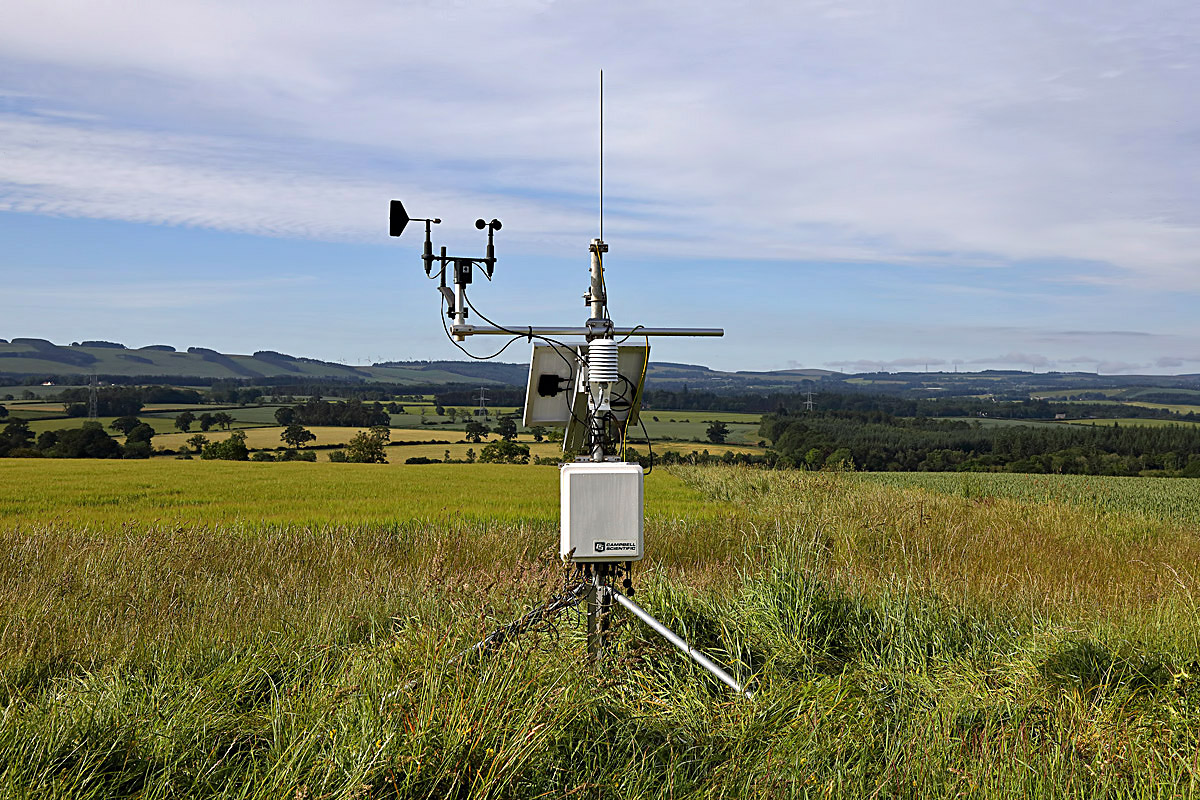
Why IoT in hazelnut orchards
Hazelnut is a crop where precise water management and timely protection directly affect kernel yield and quality. The main arguments for introducing sensor technology are:
- Water and energy savings. Irrigating "only when necessary" avoids both drought stress and over-irrigation. Sensor-guided systems in closed experimental trials (greenhouse) reduced water consumption by up to 48 %, and in open-field practice using LoRaWAN technology, water savings of the order of 30–50 % are reported while maintaining or increasing yield.
- Less fertilizer and nutrient leaching. When a sensor indicates water accumulation in deeper layers, it is a sign that over-irrigation is occurring — which leads to the leaching of soluble nutrients below the root zone. Precise water dosing preserves both fertilizer and groundwater.
- Timely protection. Micrometeorological data from the orchard itself enables early frost alarms and prediction of fungal disease risk (based on leaf wetness and temperature), which general weather forecasts cannot cover with sufficient precision for a specific location.
- Lower labor costs. Data available "from the living room" via the cloud reduces field visits, and automation of valves and pumps frees up labor.
At the same time, it is important to be realistic: a complete system that integrates proximal and remote sensing remains economically demanding for some producers, which is why the focus is on inexpensive (low-cost) sensors that, combined with machine learning, provide sufficiently reliable estimates.
What is measured: key parameters and sensors
A smart orchard typically combines three groups of sensors: soil sensors, meteorological (atmospheric) sensors, and plant sensors.
| Group | Parameter | Typical Sensor / Technology | Purpose |
|---|---|---|---|
| Soil | Soil moisture (volumetric or tension) | Capacitive, TDR/FDR, tensiometer, gypsum block | Irrigation trigger and dosing |
| Soil | Soil temperature | Thermistor on probe | Root activity, timing of operations |
| Atmosphere | Air temperature and relative humidity | BME280 and similar | Frost, heat stress, ET₀, diseases |
| Atmosphere | Precipitation and rain intensity | Tipping bucket rain gauge, rain sensor | Water balance, skipping irrigation |
| Atmosphere | Wind direction and speed | Anemometer | Spraying, evaporation, anti-frost protection |
| Atmosphere | Solar radiation / UV | Pyranometer, UV sensor | Calculation of reference evapotranspiration |
| Atmosphere | Air pressure | Barometer | Predictive models, ET |
| Plant | Leaf wetness | Leaf wetness sensor | Fungal disease risk models |
| Plant | Water status (CWSI) | Infrared thermometer (leaf temperature) | Water stress index as irrigation trigger |
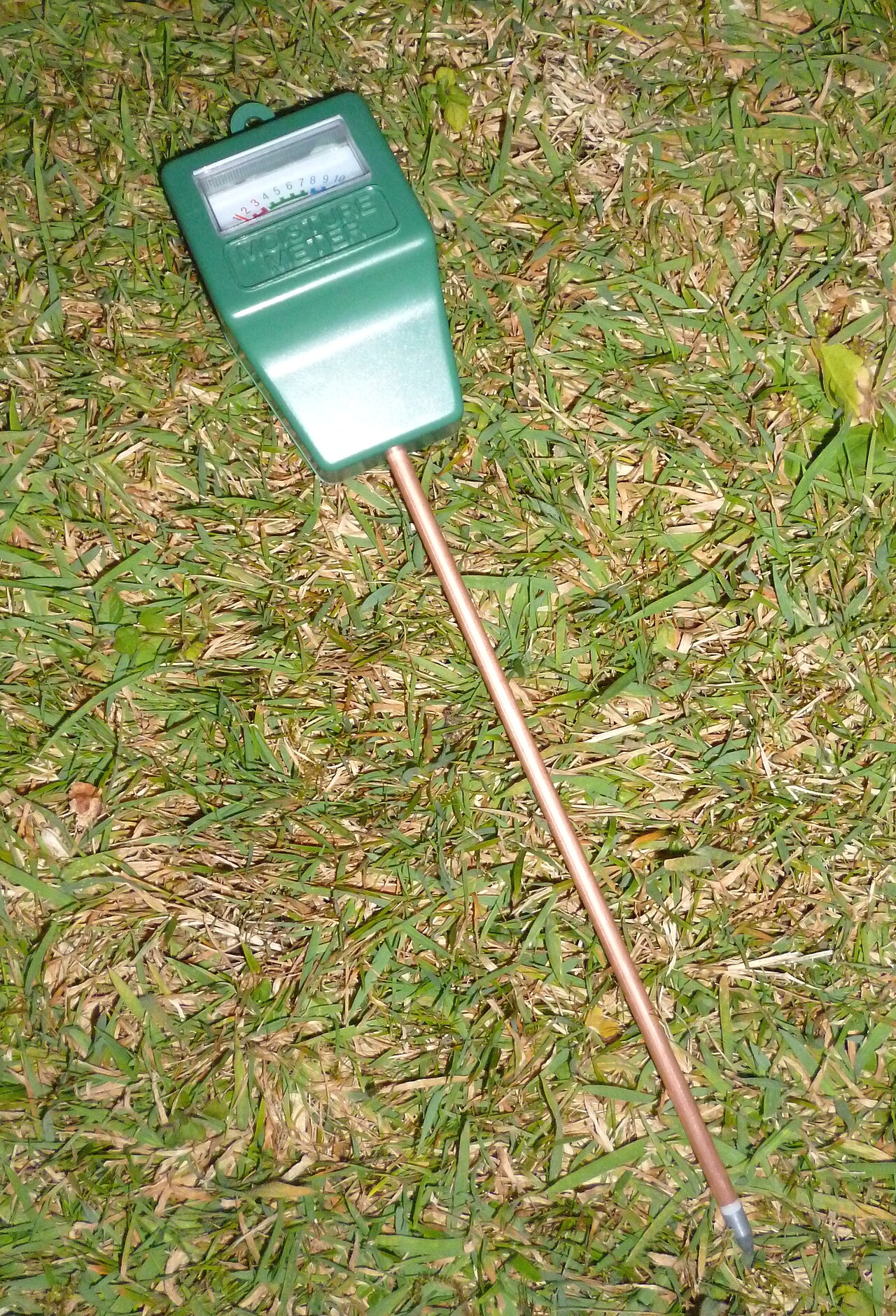
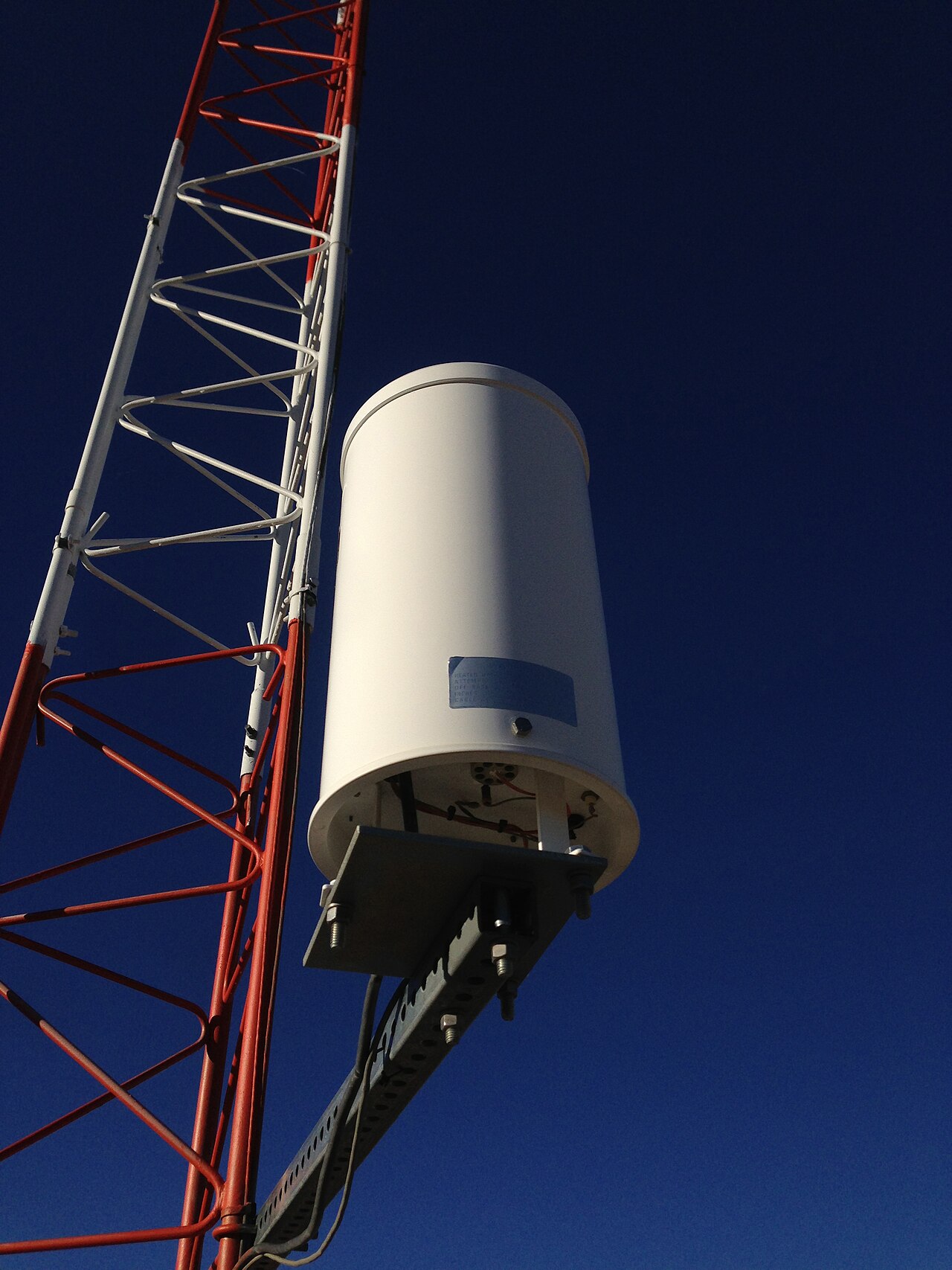
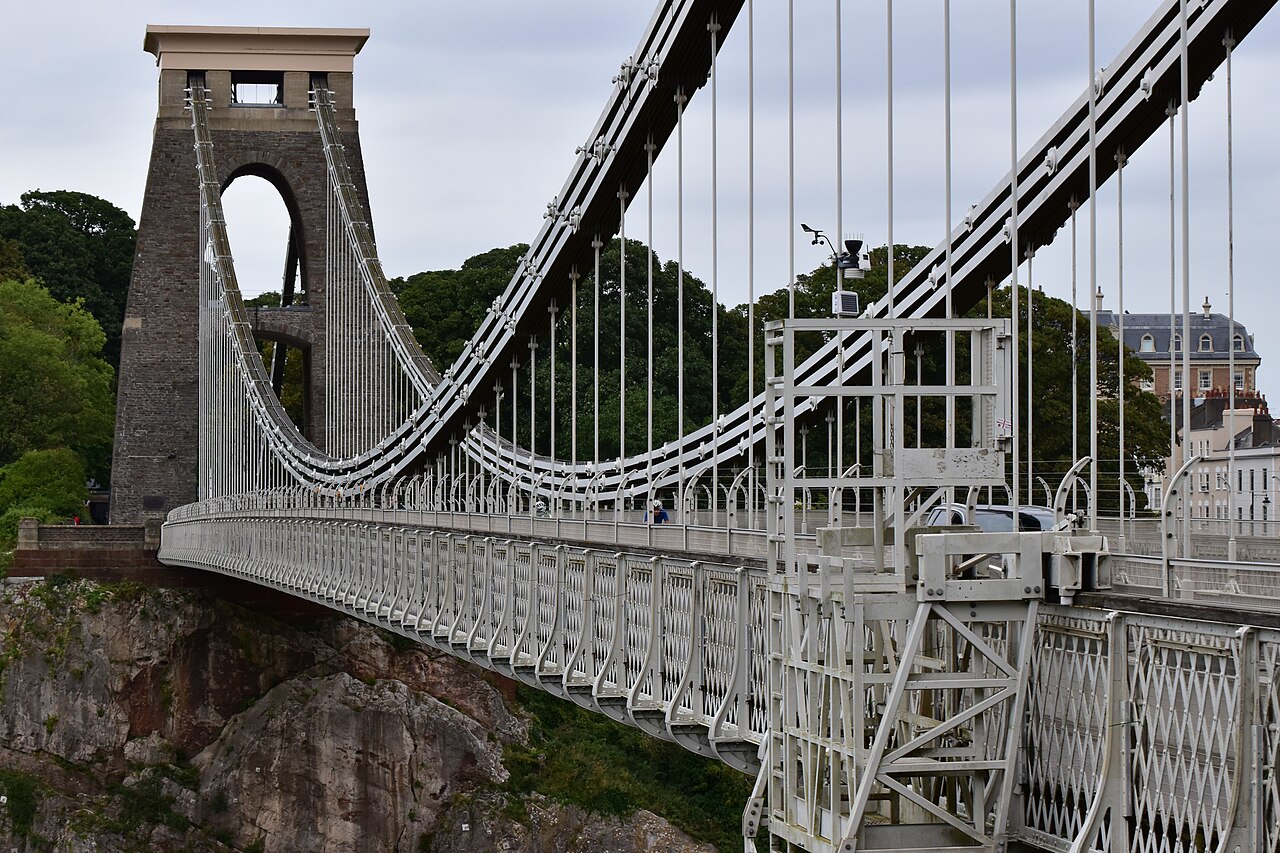
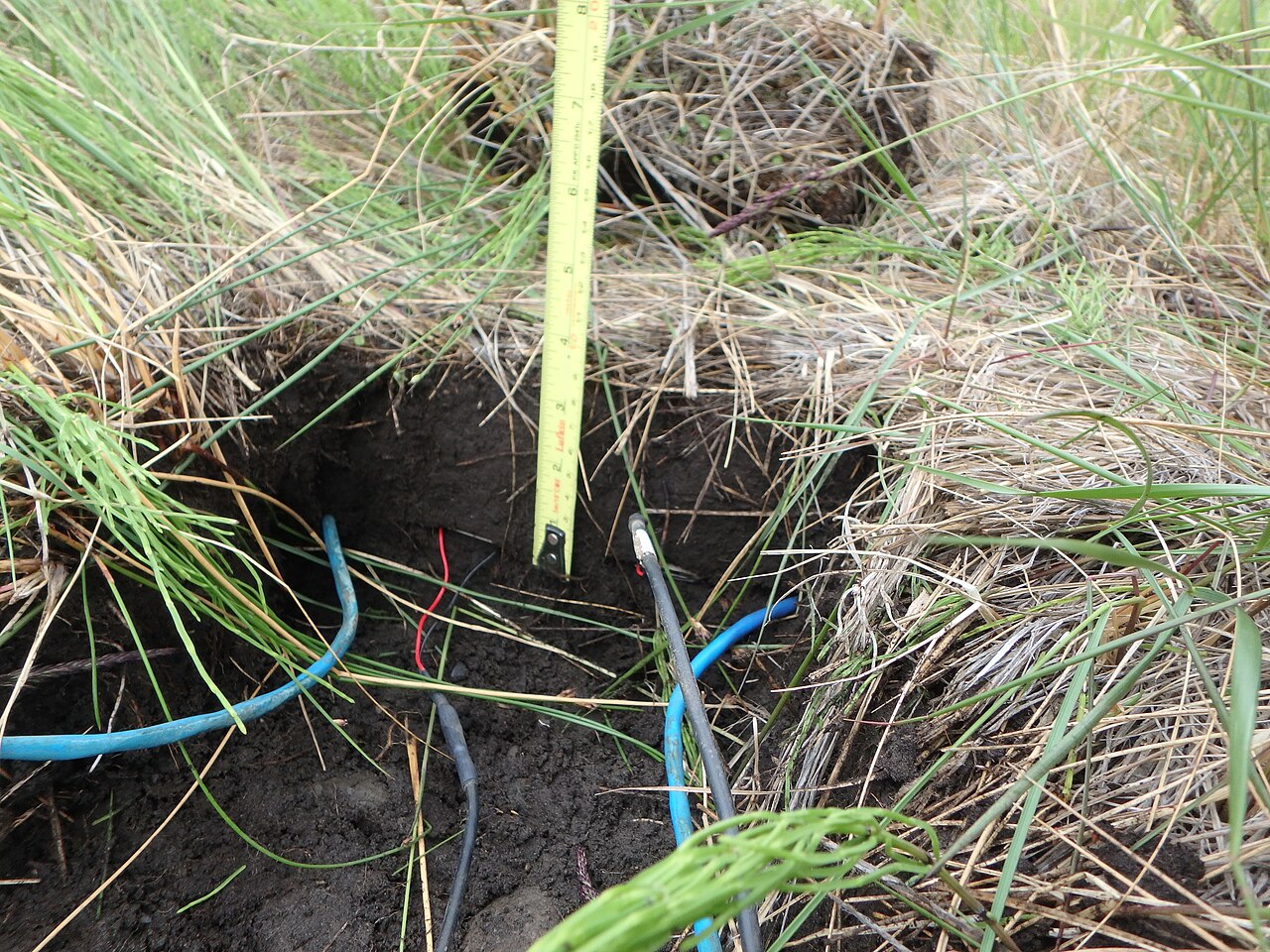
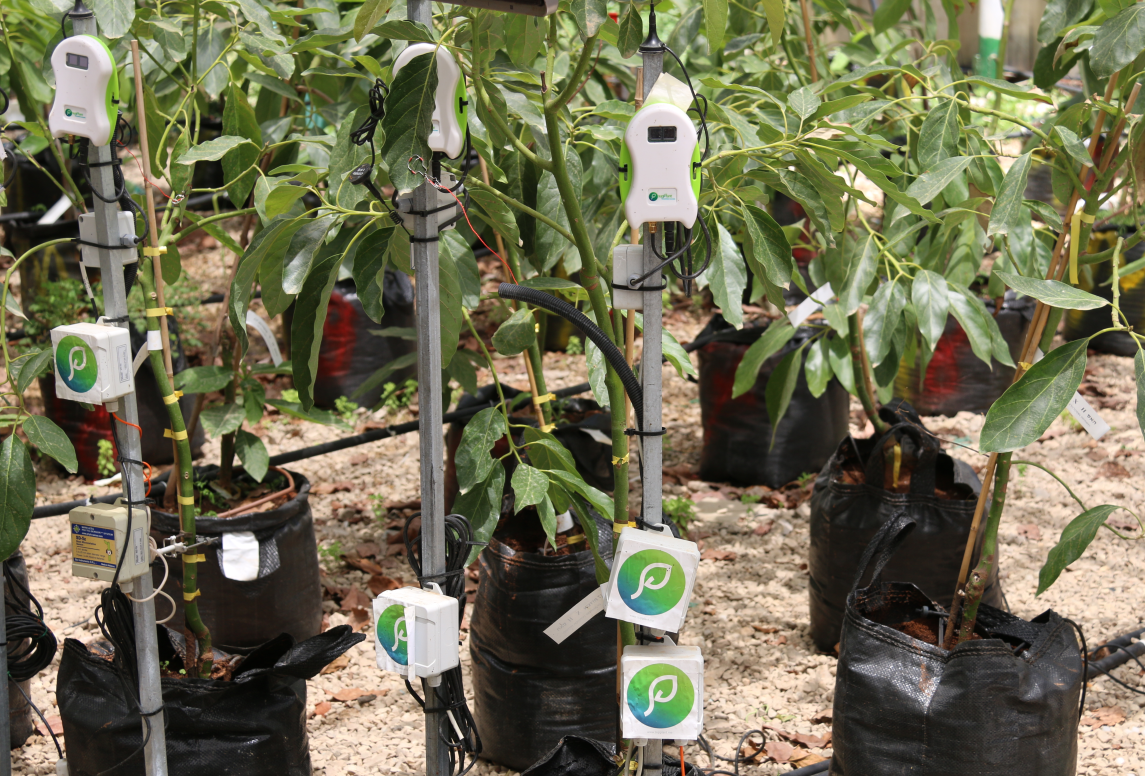
In hazelnut literature, a typical field node (PANTHEON project) places two soil moisture sensors per node, at depths of around 15 cm and 40 cm, to "capture" available moisture in the root zone. Commercial IoT recorders (e.g., Pessl LoRATH) combine air temperature, relative humidity, leaf wetness, and soil moisture on a single device and synchronize with platforms like FieldClimate.
Difference: water content vs. tension
There are two main philosophies for measuring soil moisture:
- Water content sensors (capacitive, FDR/TDR) measure how much water the soil contains (vol. %). They are good for monitoring the filling and emptying of the profile at different depths.
- Tension sensors (tensiometer, gypsum blocks, watermark) measure how much the plant has to "struggle" to extract water (kPa). They are closer to what the plant actually feels.
For irrigation decisions, it is crucial to know the limits — field capacity (upper limit) and wilting point / allowable depletion (lower limit) — and to irrigate within this "available" range. Without calibration for the specific soil, absolute sensor readings can be misleading.
How the system is connected: IoT network architecture
A typical IoT agrometeorological network in a hazelnut orchard has a layered structure:
- Sensor nodes distributed throughout the orchard — battery-powered, often with solar panels, measuring local parameters.
- Weather station — a central point measuring precipitation, wind, air temperature and humidity, pressure, and solar radiation.
- Communication — most commonly LoRa / LoRaWAN due to long range and low power consumption (km range with years of battery life); alternatively NB-IoT, GSM/4G, or Wi-Fi for shorter distances.
- Gateway that collects data from nodes and forwards it to the server / cloud.
- Platform and DSS — storage, visualization, alarms, and models that provide recommendations; accessible via web interface or mobile app.
An example from literature ("Precision Farming of Hazelnut Orchards"): a network based on the LoRa protocol consists of 1 weather station, 9 LoRa nodes for soil moisture and temperature, and 1 LoRa gateway. The station is powered by a 12 V / 7.2 Ah battery and a 10 W solar panel, enabling continuous data collection.
Wireless is essential on large areas
The main advantage of wireless sensors is the feasibility of installation where cabling is impossible — on large open plots. This brings measurements closer to real in situ conditions of the orchard.
How many nodes and where?
On large areas, it is unrealistic to place sensors in every plot — they are typically sparsely distributed, and values are interpolated and supplemented by remote sensing (satellites, drones). Placement rules:
- Place nodes in representative zones (different soils, slopes, exposure, parts of the orchard that dry out first).
- Place moisture sensors in the row, near the dripper and in the root zone, at multiple depths.
- Place the anti-frost alarm sensor in a standard meteorological shelter and correlate it with thermometers distributed throughout the orchard, taking into account critical bud temperatures.
From data to decision: Decision Support Systems (DSS)
Raw numbers have no value until the system converts them into a recommendation. DSS integrates sensor data, weather forecasts, and crop models.
Irrigation
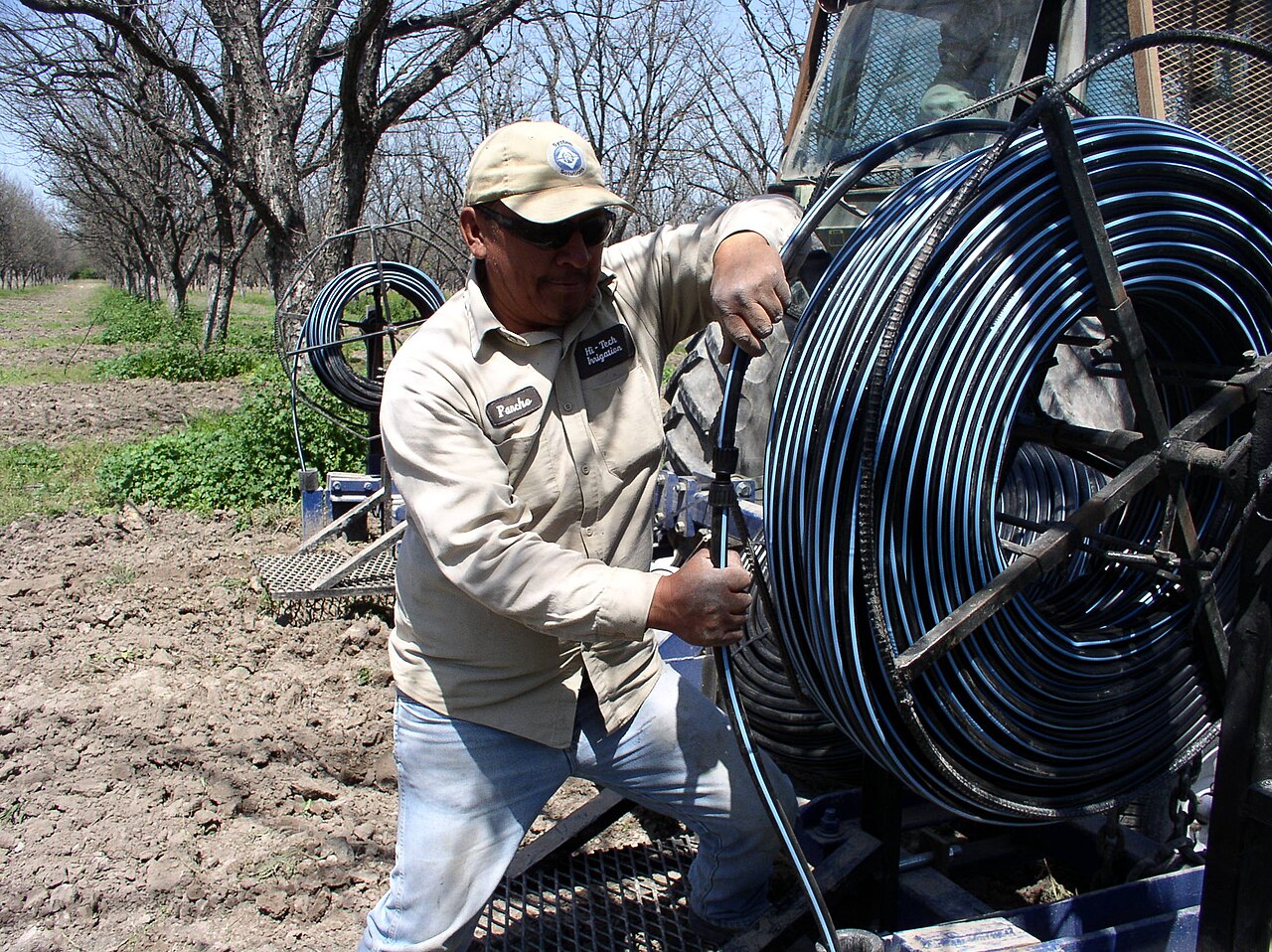
Two methods complement each other:
- Water balance via evapotranspiration (ET). Meteorological data (temperature, humidity, wind, radiation) provide reference evapotranspiration (ET₀), which is multiplied by the crop coefficient (Kc) to estimate the orchard's water consumption (ETc). Research shows that ET at the plot level can be estimated using inexpensive sensors with neural networks, keeping costs low.
- Direct measurement of soil moisture. The sensor shows the actual state in the root zone and serves as a "trigger" — irrigate when moisture drops to a agreed threshold, stop when the profile is filled.
Combining both methods (balance + measurement) gives the best water use efficiency. For hazelnut, crop water stress index (CWSI) via leaf temperature (inexpensive infrared thermometers) and regulated deficit irrigation (RDI) strategies during the fruit filling phenophase are also being researched.
| Approach | What it measures | Advantage | Limitation |
|---|---|---|---|
| ET balance (meteo) | Atmospheric water demand | Covers the whole plot, predictive | Requires good Kc and calibration |
| Soil moisture | Actual root zone state | Direct trigger, simple | Point measurement, requires more nodes |
| CWSI / plant water status | Stress of the plant itself | Closest to the plant | Sensitive to measurement conditions |
Informative thresholds for hazelnut
In literature, irrigation management for European hazelnut is mentioned based on a threshold of leaf conductance ~0.2 mol m⁻² s⁻¹ or water potential ~ −6 bars. These are research-based, informative values that depend on the cultivar and location — do not apply them without verification with an advisory service.
Protection: frost and diseases
- Anti-frost alarms. Reliable electronic alarms notify the producer (call, SMS) when the temperature drops to a critical point and can automatically trigger a pump, sprinkling, or anti-frost fan. Systems connected to soil moisture sensors and weather stations can automatically turn irrigation on/off.
- Fungal disease risk. Models based on leaf wetness, temperature, and air humidity assess when conditions are favorable for infection, enabling timely, targeted protection instead of calendar-based spraying.
Edge and automation
Newer systems process data "at the edge" (edge computing) — directly on the station in the field — so the reaction can be immediate: starting anti-frost fans at a cold anomaly or opening irrigation valves during a heat wave, without waiting for the cloud.
Cost reduction: What to realistically expect
Sensors pay off through several channels simultaneously:
- Water and energy (diesel/electricity for pumps). Reduced pumping means lower bills and, for diesel generators, fewer emissions. Croatian hazelnut orchard elaborates describe a central unit/controller connected to soil moisture sensors and a weather station that switches the "drip" system on/off, thereby reducing water and fuel consumption.
- Fertilizer and crop protection products. More precise dosing reduces losses; production monitoring and management software optimizes treatment, top-dressing, and protection.
- Yield and quality. By avoiding drought and heat stress and implementing timely protection, the crop is preserved.
Figures from literature (informative)
- Water savings up to 48 % in sensor-guided combined systems (greenhouse, experimental).
- 30–50 % lower water consumption with LoRaWAN in practice, while maintaining/increasing yield.
- Adaptive DSS with forecasting achieved ~11 % water savings with better management.
- Manufacturer claim of +25 % yield increase with hyperspectral irrigation sensor (take with caution). Values are from different crops and conditions — serve as a guideline, not a guaranteed result for your orchard.
Practical recommendations
- Start small and measurable. One weather station and a few soil moisture sensors in a representative zone are sufficient for initial decisions; the network can be expanded later.
- Calibrate for your soil. Determine field capacity and the lower allowable depletion threshold before setting irrigation "thresholds."
- Place moisture sensors at multiple depths (e.g., ~15 and ~40 cm) and near the dripper in the root zone.
- Ensure power supply and range. Solar panel + battery for nodes; check LoRa coverage and access point placement before installation.
- Set meaningful alarms (frost, extreme drought) and connect them to your phone; automate the pump/sprinkler if possible.
- Combine measurement and ET balance — do not rely on a single source.
- Keep records. Link sensor data with yield and quality by zones to measure actual benefit.
Common mistakes
- No calibration — absolute moisture percentage without known soil limits leads to wrong decisions.
- One sensor for the entire orchard — different soils and exposures result in very different needs; avoid extrapolating from a single point.
- Poor probe placement — too far from the dripper, outside the root zone, or in an atypical part of the row.
- Ignoring maintenance — batteries, cleaning rain gauges and anemometers, checking leaf wetness sensors.
- Overpaying for "everything at once" — complete proximal + remote systems are expensive; cheap solutions with machine learning are often sufficient for a start.
- Blindly trusting the sensor — periodically check the status with a shovel and visual inspection of the plants.
Summary
IoT sensors, weather stations, and decision support systems transform hazelnut orchard management from "gut feeling" to data-driven management. Soil moisture sensors, micrometeorology, and leaf wetness, connected via LoRa/LoRaWAN networks and processed in a DSS, enable irrigation only when and as much as needed, early frost and disease risk alarms, and significant savings in water, energy, fertilizer, and crop protection products. The greatest value comes from gradual implementation, calibration for your own soil, and combining direct measurements with ET balance.
Gallery
Sources
This article is an AI summary from an internal hazelnut literature collection (RAG corpus) and publicly available sources. Main sources used:
- Aydın, Ş. et al. (2020). A Sustainable Multi-layered Open Data Processing Model for Agriculture: IoT Based Case Study Using Semantic Web for Hazelnut Fields. ASTESJ, 5(2).
- Soil moisture monitoring within the PANTHEON project (IFAC, 2019). https://doi.org/10.1016/j.ifacol.2019.12.498
- Precision Farming of Hazelnut Orchards (2018) — LoRa IoT agrometeorological network.
- Sensors and IoT for hazelnut irrigation scheduling (Horticulturae, 2024). https://doi.org/10.3390/horticulturae10050516
- Pessl Instruments — Product Portfolio Technical Catalogue (LoRATH / FieldClimate), 2022.
- Practical Use of Soil Moisture Sensors and Their Data for Irrigation Scheduling (FS083E, 2013).
- Using Neural Networks to Estimate Site-Specific Crop Evapotranspiration with Low-Cost Sensors (2019).
- Tehnološka navodila za zaščito pred spomladansko pozebo v sadjarstvu (2018).
- Frost Protection in Orchards and Vineyards (1999).
- Environmental protection elaborates for water pumping and irrigation of hazelnut orchards (HR, 2021–2023) — descriptions of the central unit with moisture sensors and weather station.
- A Crop Water Stress Index for Hazelnuts Using Low-Cost Infrared Thermometers (PMC11644836). https://pmc.ncbi.nlm.nih.gov/articles/PMC11644836/
- The Potential of Low-Cost IoT-Enabled Agrometeorological Stations: A Systematic Review (PMC12526549). https://pmc.ncbi.nlm.nih.gov/articles/PMC12526549/
- Integration of smart sensors and IoT in precision agriculture (Frontiers in Plant Science, 2025). https://doi.org/10.3389/fpls.2025.1587869
- Evaluating decision support systems for precision irrigation and water use efficiency (ScienceDirect, 2025). https://www.sciencedirect.com/science/article/pii/S2950550X25000044